The Glitch Kingdom
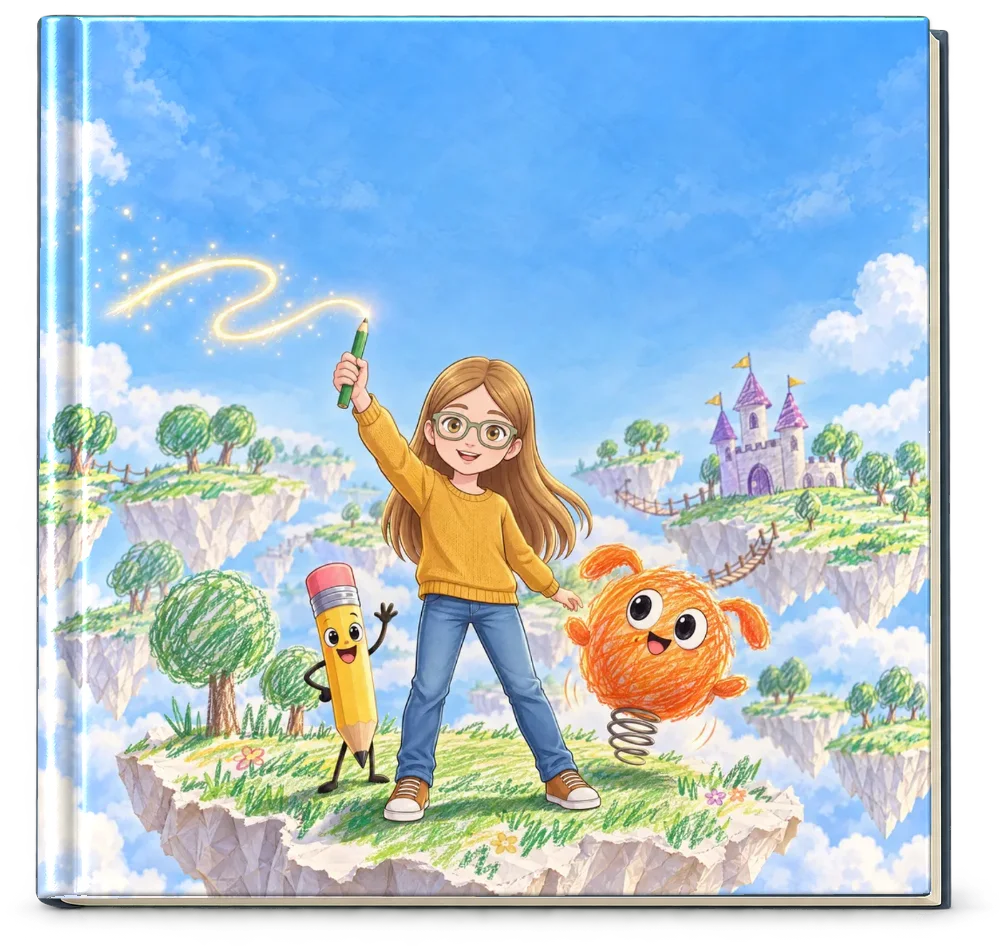
from €37.90 incl. VAT + €6.90 shipping · free from 2 books
30 pages, 20 x 20 cm, your child drawn from your photo on every illustrated page.
Hardcover €47.90 · Softcover €37.90
Your child is the first hero, and up to 3 more: brother or sister, mum or dad, grandparent, another grown-up. €8.00 per extra hero
Personalise this book1 day: we create and check your book · 2–5 days: printing · 3–6 days: delivery
Every book is checked page by page before it's printed.
Pulled into the video game they designed, your child fixes its bugs one by one: mistakes are things you can find, name and fix.
What's inside
- 30 pages, 4 of them colouring pages to fill in
- 20 × 20 cm hardcover (softcover too)
- Thick silk paper (170 g)
- A page for grown-ups: tips and questions to talk about
- Your child drawn from your photo on every illustrated page
What makes it different
- Drawn from your photo on every illustrated page, not a cartoon with a name pasted in
- In a Greek book, the name takes its right form in every sentence (του Γιώργου, τον Γιώργο)
- Every book is checked page by page before it's printed
Watch the title change here and on every book on the site. It stays in this browser tab only.
Helps with
Mistakes
Mistakes and setbacks: being less hard on yourself, finding what went wrong, fixing it and trying again.
The tool your child practises in the story
Spot it, say it, fix it, try again
When something goes wrong, go through the four steps together. Spot it: what exactly went wrong? Say it: put it into one calm sentence, without calling anyone names. Fix it: choose one small change. Try again, and if the second try goes wrong too, simply start the steps again. Use it for homework, games, sport and baking, and use it on your own mistakes where your child can see.
For grown-ups
What this story is about
Between 8 and 12, many children start to judge their own work harshly. One mistake can feel like proof that they are "bad at" something, and some would rather give up, or never finish, than get it wrong. In this story your child is pulled into a game they designed and finds that every glitch is one of their own mistakes. With a simple routine they learn to find a mistake, name it out loud, fix it and try again, even when the second try goes wrong too.
Three ways to talk about it
- Talk about your own mistakes, calmly and out loud: "I got that wrong. Here is what I will try next."
- Praise the fixing, not only the result: notice when your child goes back to something and tries again.
- When your child says "I'm rubbish at this", separate the feeling from the bug: "You're frustrated, I can see that. What exactly went wrong?"
Three questions to ask
- Why did the child in the story want to delete the whole game?
- Why do you think saying the mistake out loud made it easier to fix?
- Is there something you have put off finishing because you worried it would not be good enough?
Practise the tool together: Spot it, say it, fix it, try again
When something goes wrong, go through the four steps together. Spot it: what exactly went wrong? Say it: put it into one calm sentence, without calling anyone names. Fix it: choose one small change. Try again, and if the second try goes wrong too, simply start the steps again. Use it for homework, games, sport and baking, and use it on your own mistakes where your child can see.
If your child is very hard on themselves for a long time, avoids schoolwork or new things for fear of failing, or seems low, anxious or is not sleeping well, it is worth talking to your paediatrician or a child psychologist.
Look inside
Twelve illustrated spreads: the picture on the left, the story on the right. These sample pages show an invented child called Freya.
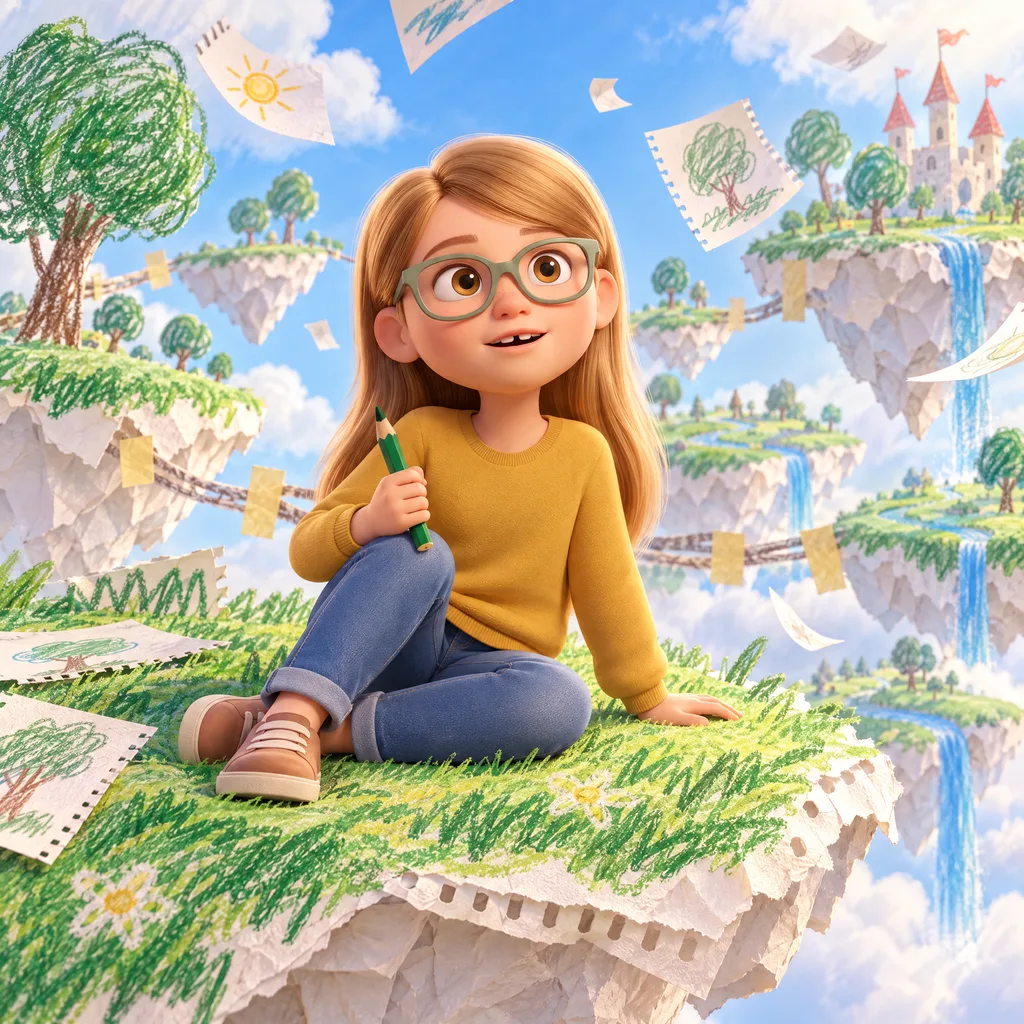
The glow grew brighter and brighter. The pages flapped like wings, a wind that smelled of crayons swirled round the room, and with a soft WHUMP, Freya fell straight into the sketchbook. The landing was soft and crackly: green crayon grass, scribbled in long wobbly strokes. All around, islands of crumpled paper floated in a watercolour sky, held together with sticky tape and pencil lines. Every one of them was familiar. The lumpy one. The leaning castle, far away. The green pencil was still there, clutched tight. "No way. I'm inside my own game." Somewhere nearby, something small came running.
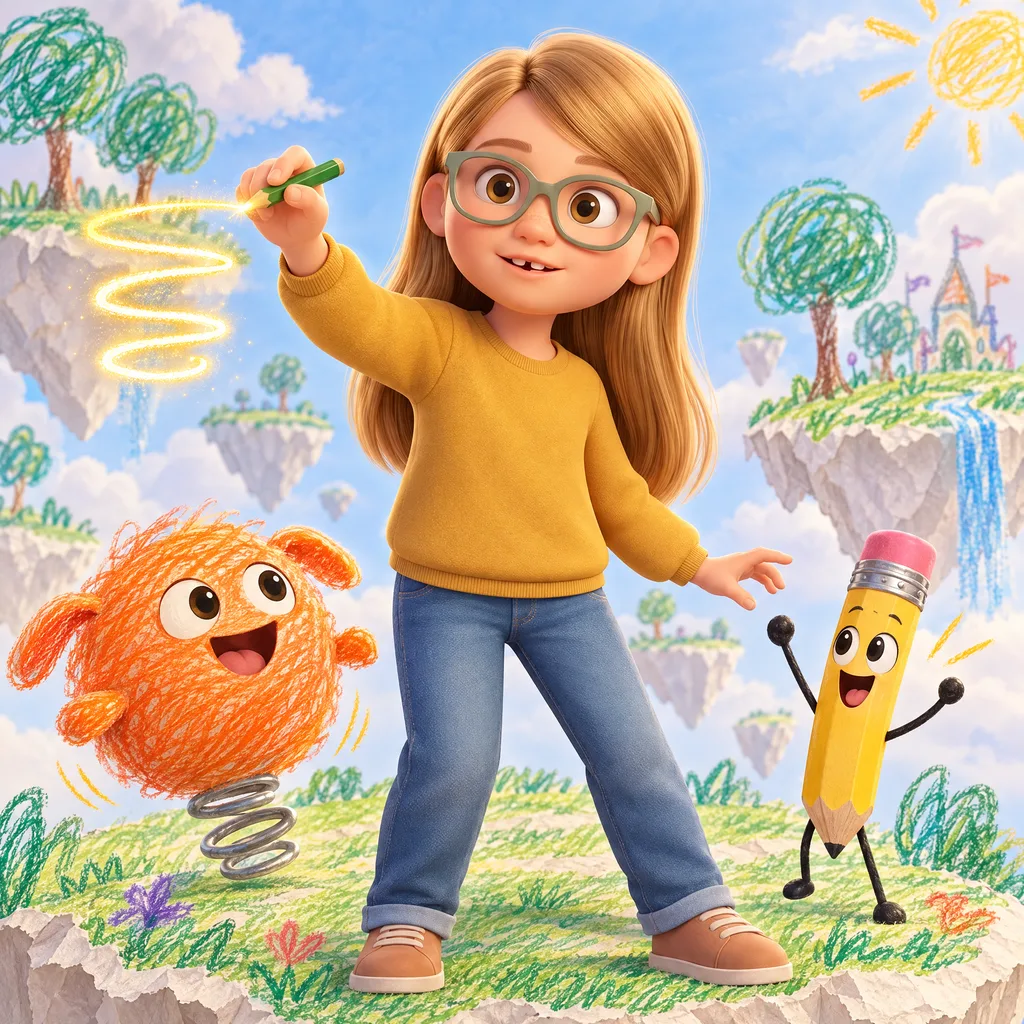
"Every game maker gets bugs," said Nib. "Even the brilliant ones. Here's what we do. Spot it, say it, fix it, try again." The spring was easy to spot. Saying it was the hard bit. A deep breath. "I made Boingo's jump ten times too high." Out loud, it sounded smaller somehow. Fixable. As Boingo bounced past, Freya wrote 10 over the 100 and drew his spring shorter with the green pencil. Boingo jumped again, and landed flat on his face. FLUMPH. Too short. One coil back. BOING. Up, over, down. Perfect. "I'm FREE!" yelled Boingo, bouncing in happy circles.
Spread 1 of 2
Inside the book
Twelve illustrated spreads: the picture on the left, the story on the right. This sample uses an invented family to show the illustration style.
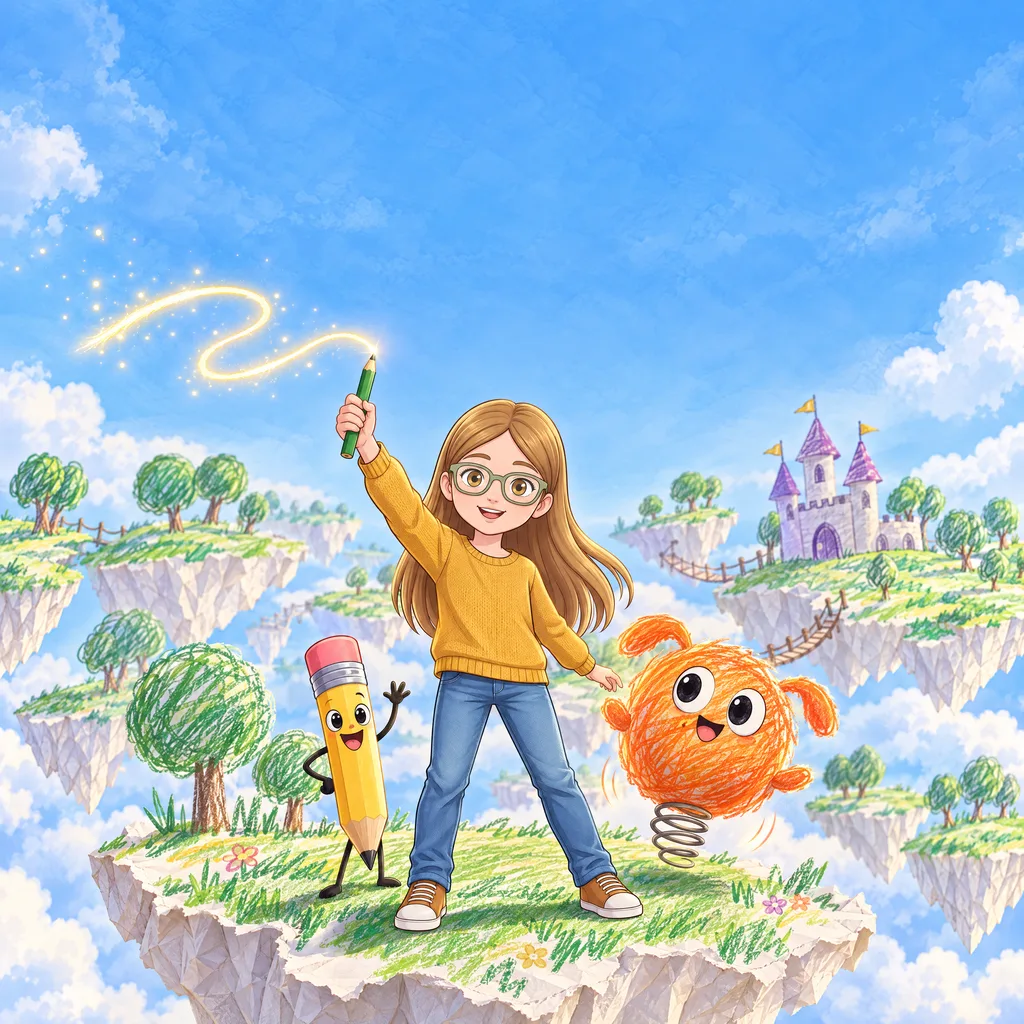
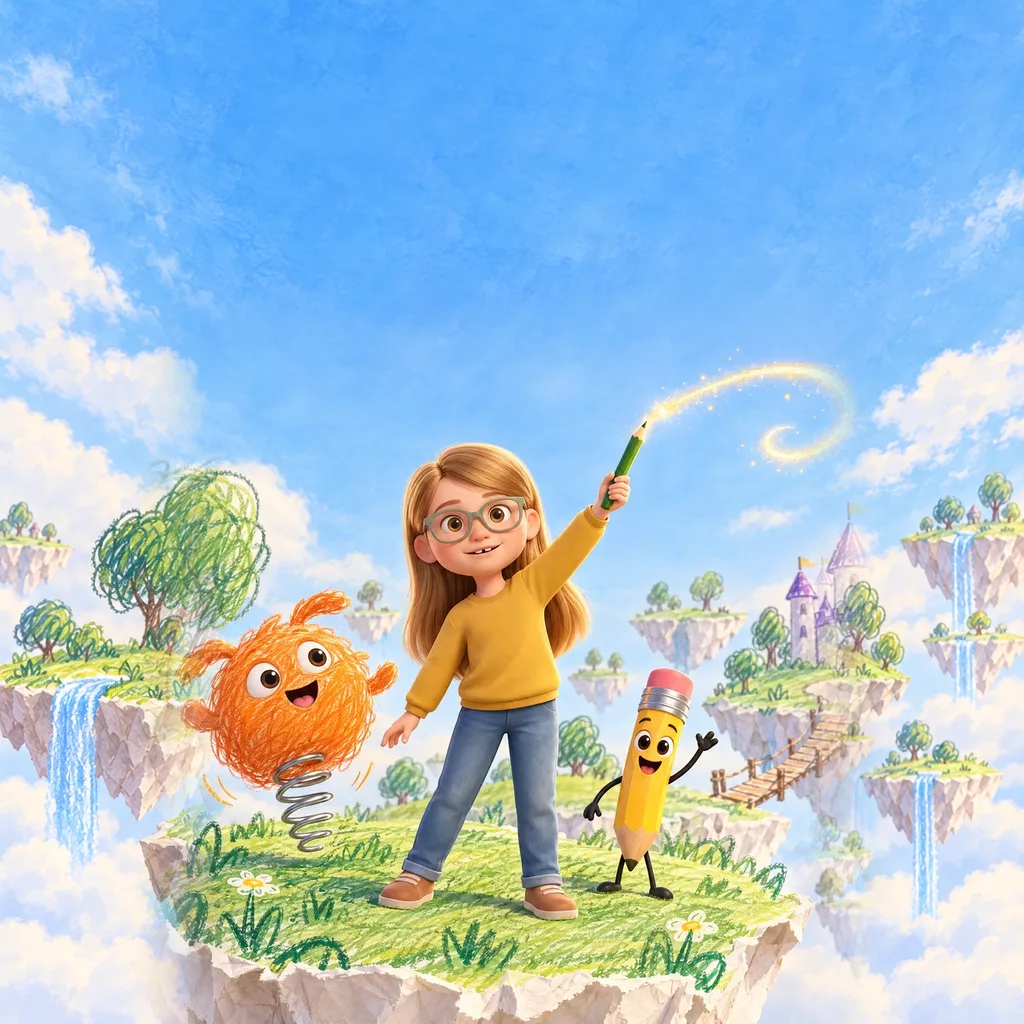
For three whole weeks, Mia had been designing a video game in a fat sketchbook. It was called Doodle Kingdom, and on Saturday it would go on show at the school's Make-a-Game Fair: floating islands, a bouncy hero called Boingo, a bridge over the Wobble Gap and a castle with a gatekeeper bird. But tonight, every page looked wrong. The islands were lumpy. The castle leaned. One hard rub with the eraser, and the paper tore right through. "It's rubbish. I'm rubbish at this." The sketchbook gave a strange little hum. Then the pencil lines began to glow.
Who can be a hero
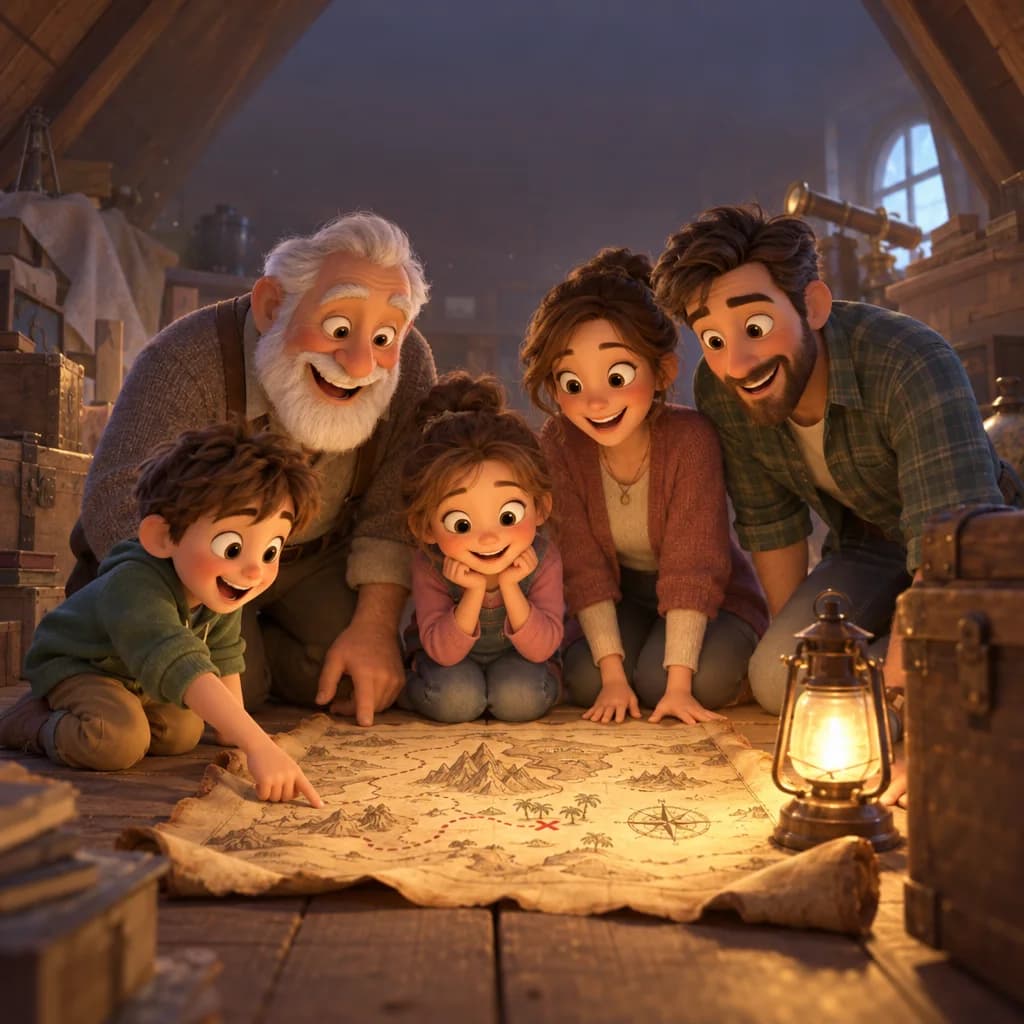
Your child, and more heroes if you like
Your child is the first hero, and up to 3 more: brother or sister, mum or dad, grandparent, another grown-up.
A game world made of your child's own sketches, and the bugs only they can fix.
- Hardcover: €47.90
- Softcover: €37.90
+ €6.90 shipping · free from 2 books
Personalise this book
Styles
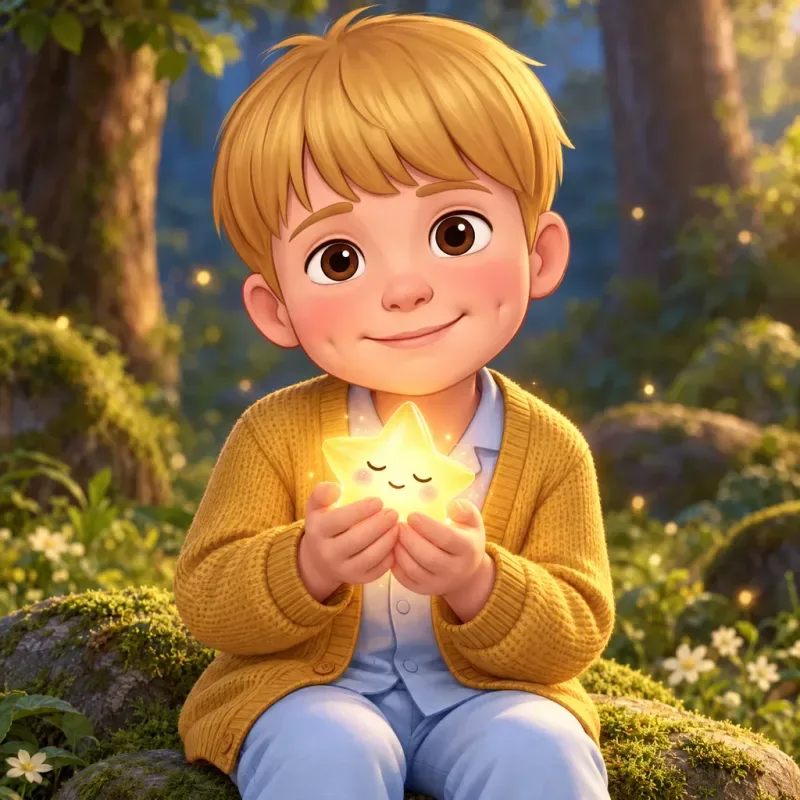
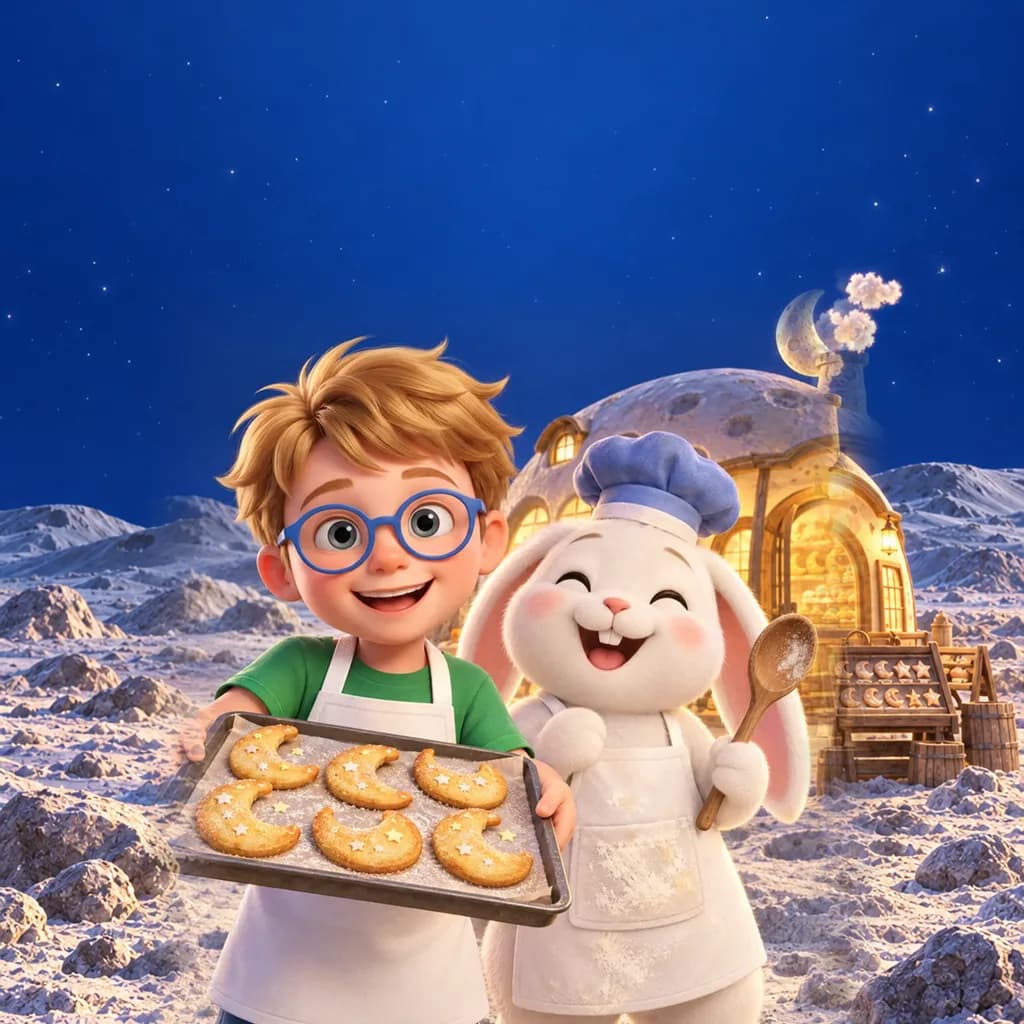
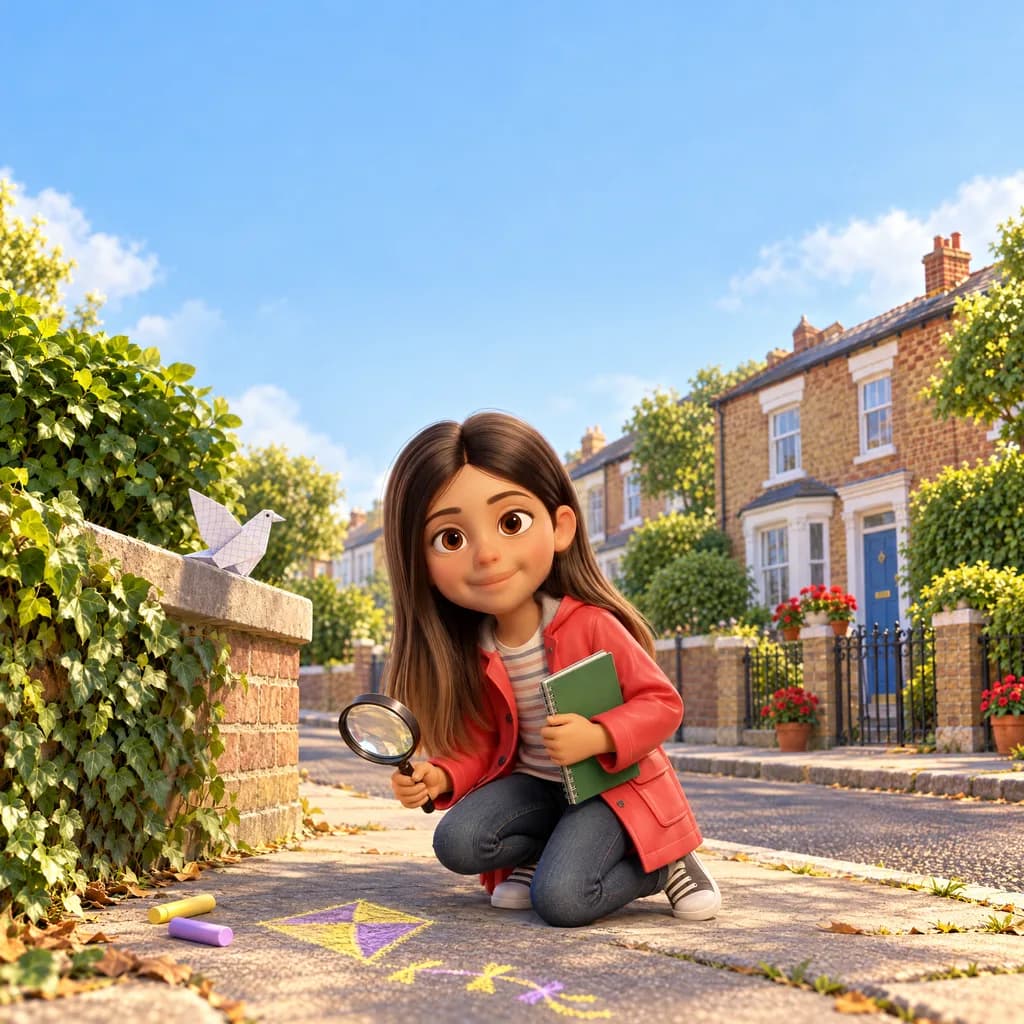
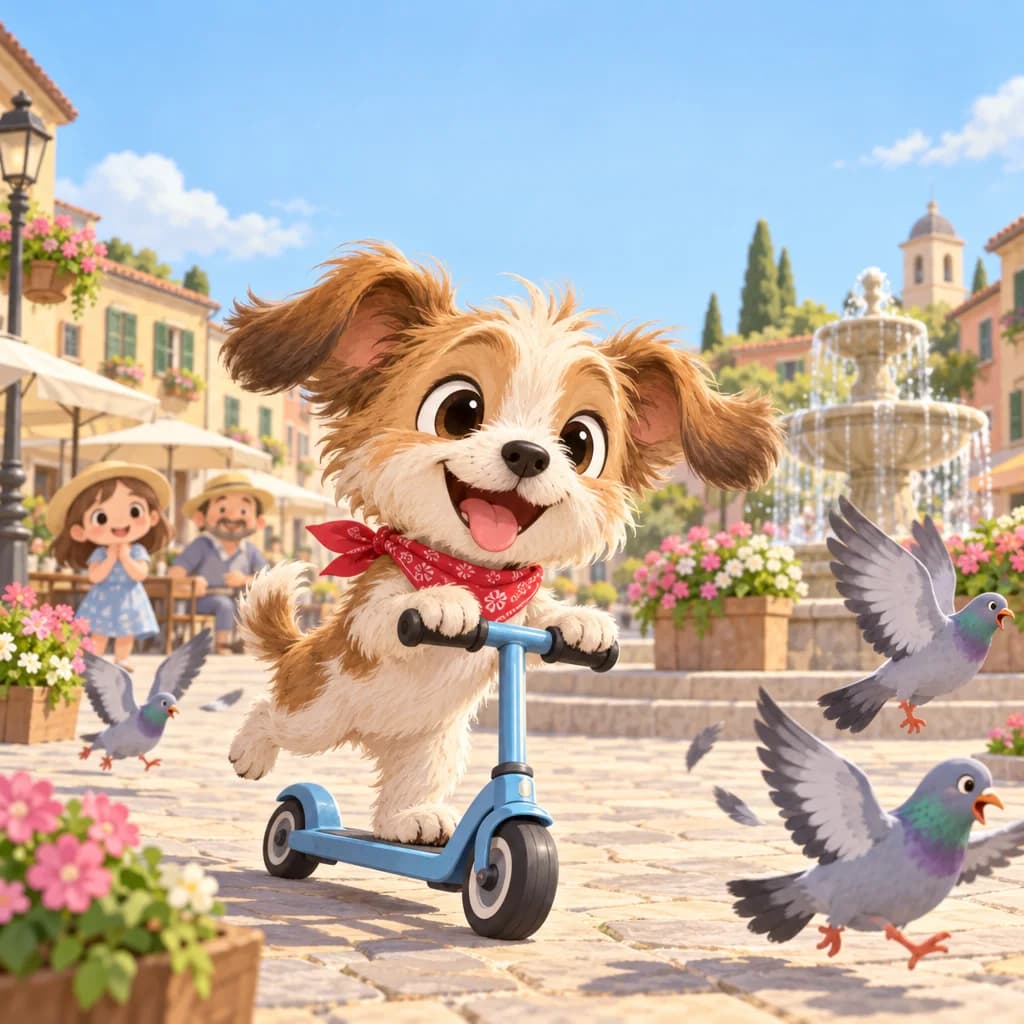
Soft 3D
AvailableRounded, softly lit 3D characters with big expressive eyes. Faces stay recognisable: hair, glasses, smile.
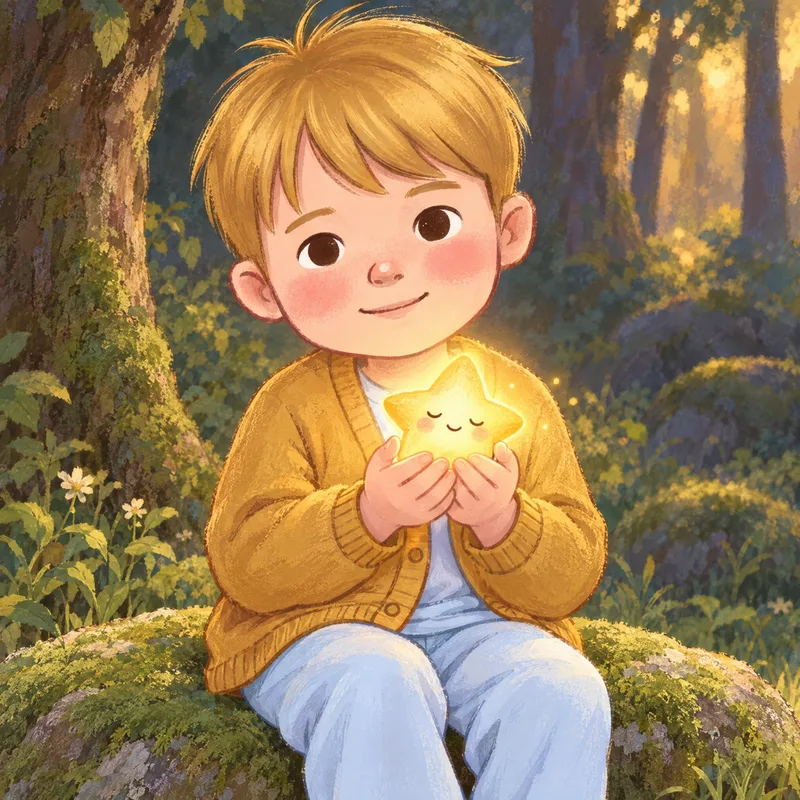
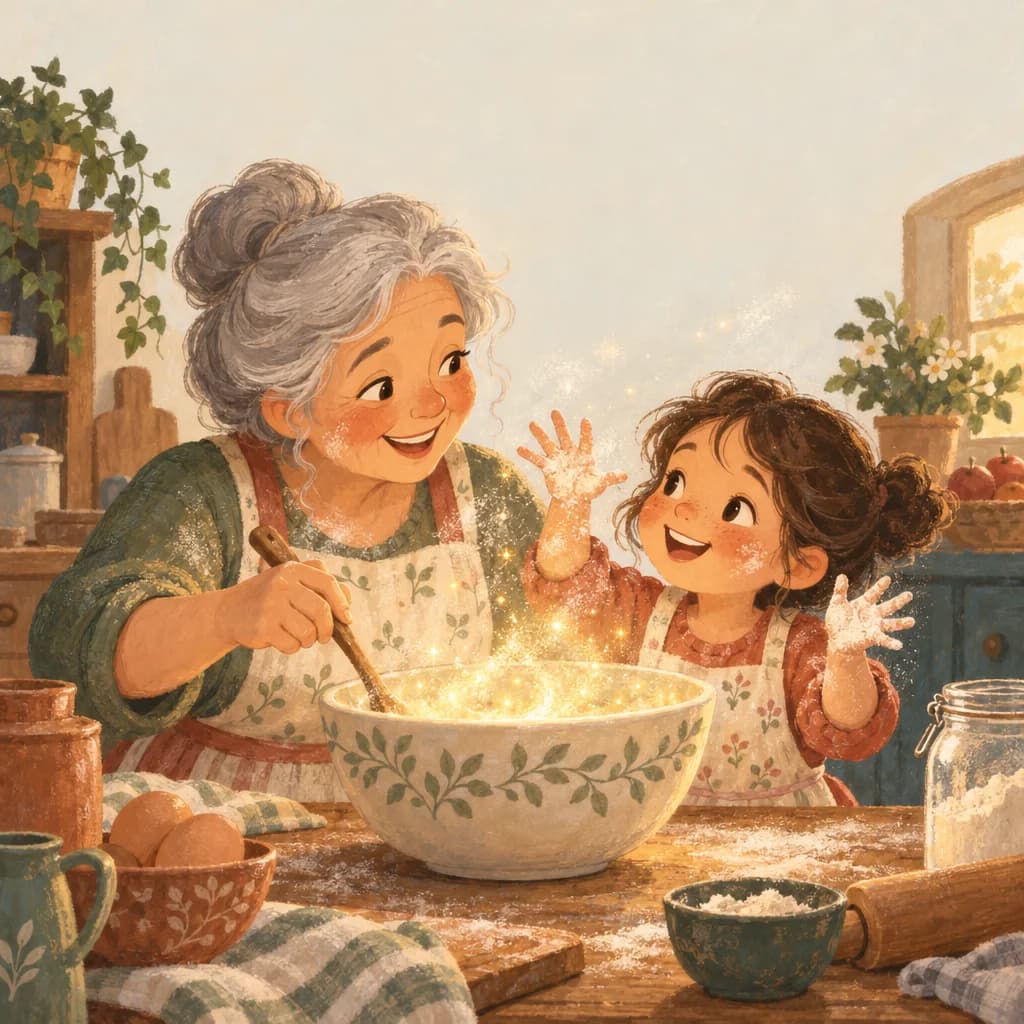
Storybook gouache
AvailableMatte, hand-painted colours with visible brush texture and soft edges, like a classic picture book.
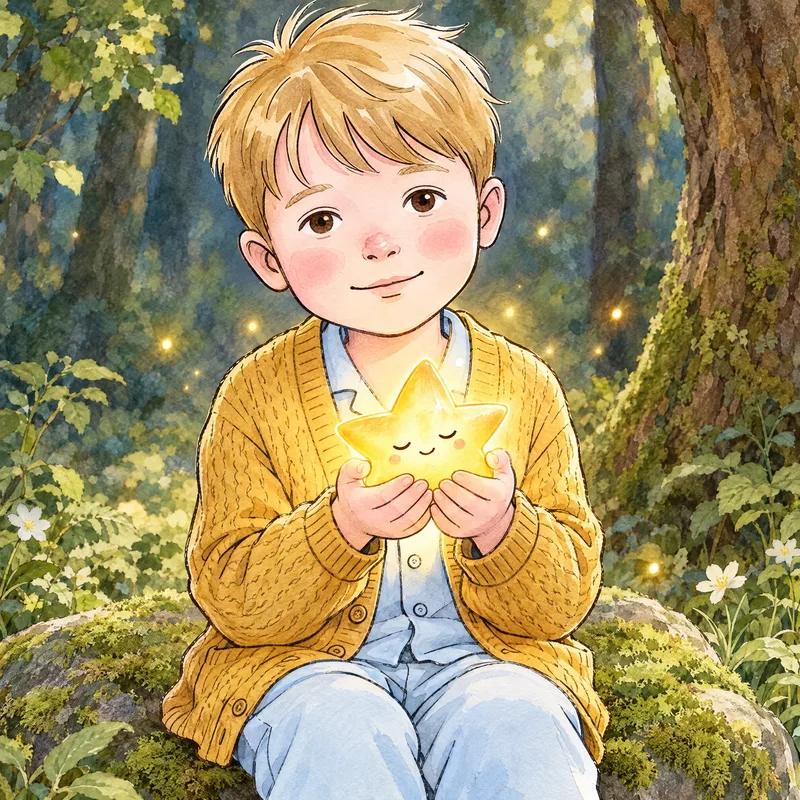
Watercolour
AvailableLoose, soft washes of colour with fine ink lines and the texture of real paper.
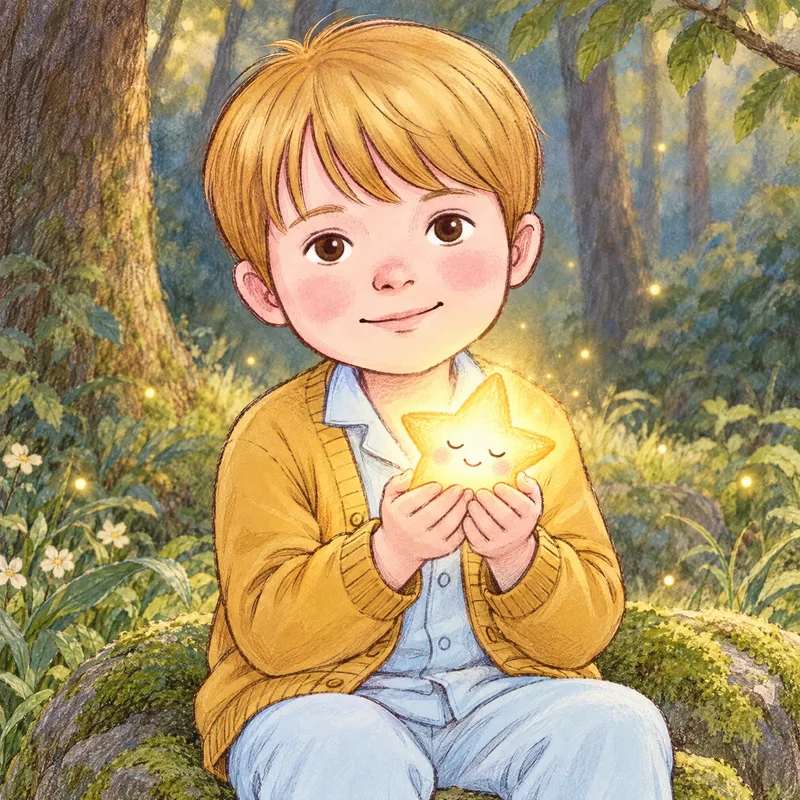
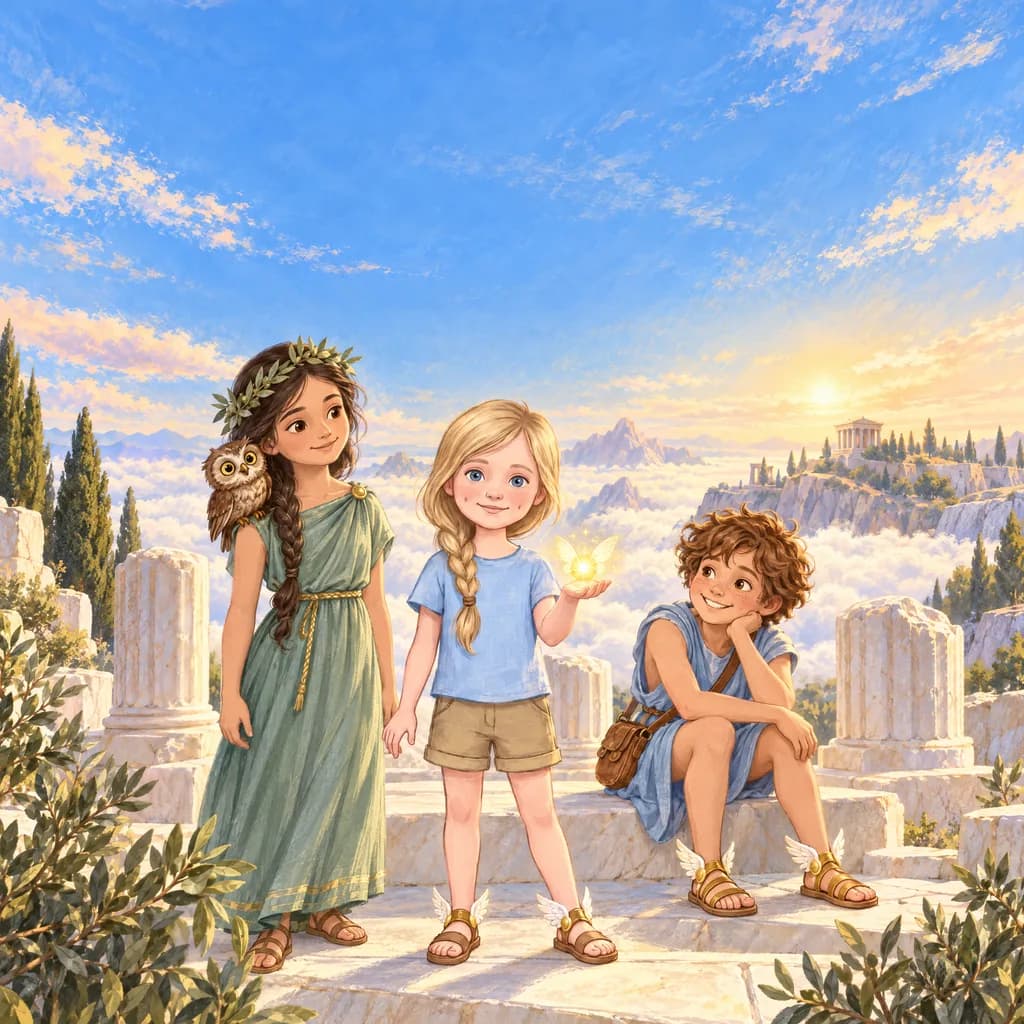
Pencil and watercolour
AvailableColoured pencil over light watercolour washes, warm and drawn by hand.
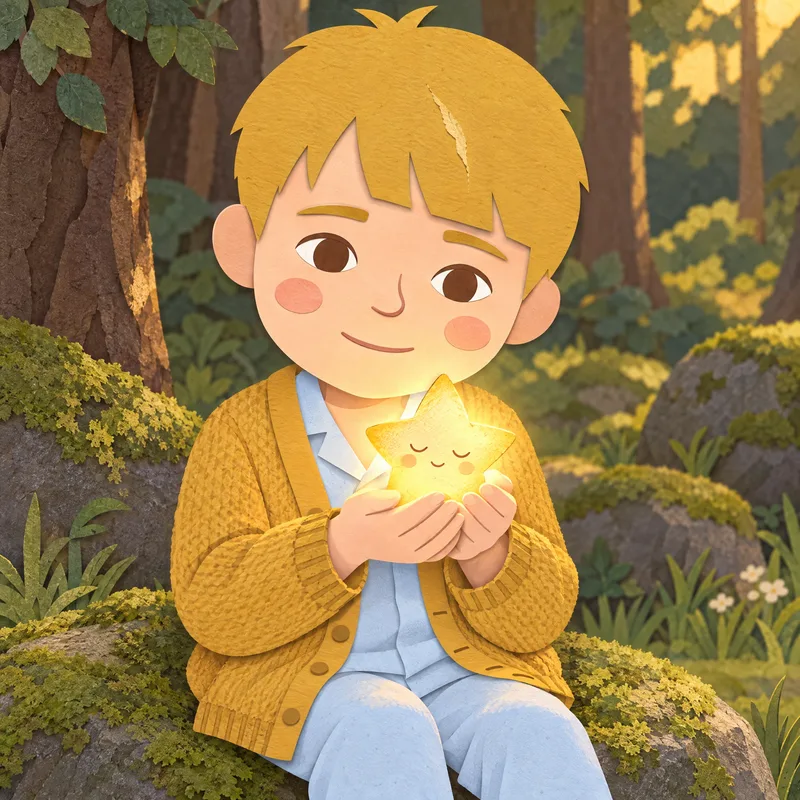
Paper collage
AvailableLayers of cut and torn coloured paper, with grain and edges you can almost touch.
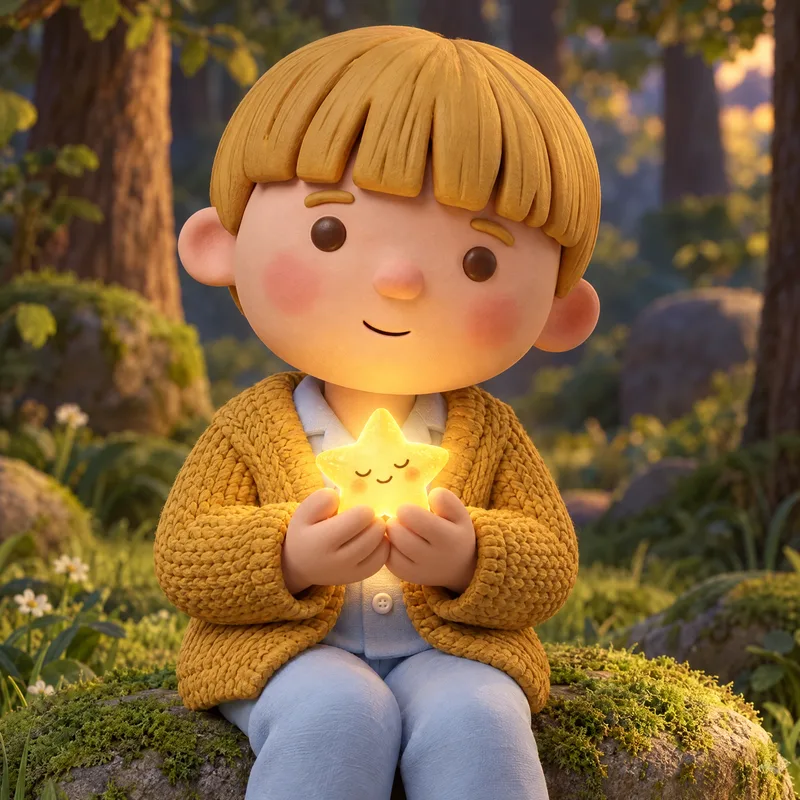
Clay
AvailableSculpted from soft modelling clay, like a handmade stop-motion film.
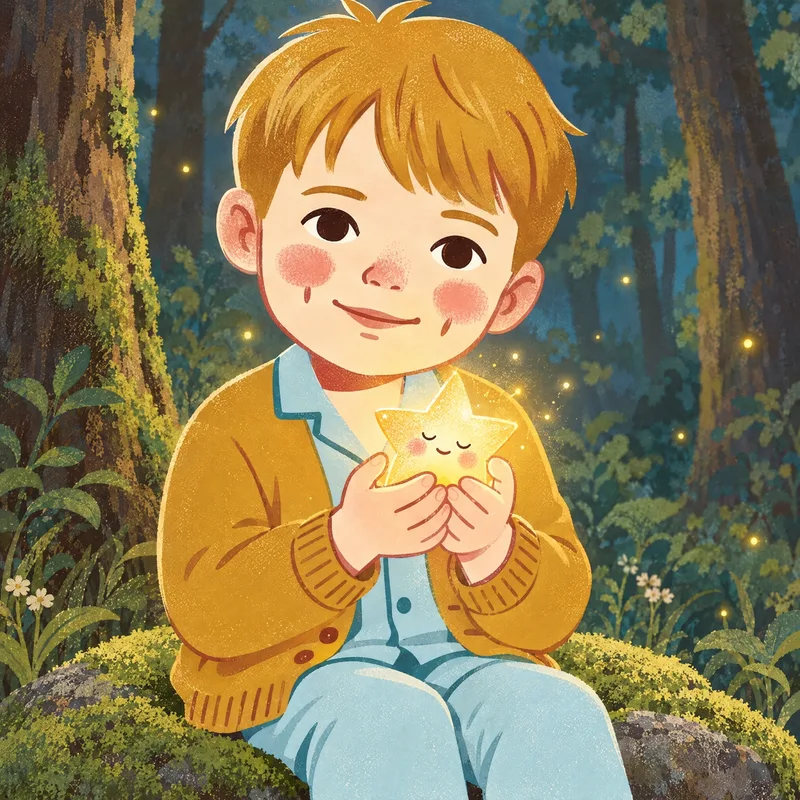
Vintage storybook
AvailableThe look of mid-century picture books: flat shapes, muted colours, a soft printed grain.
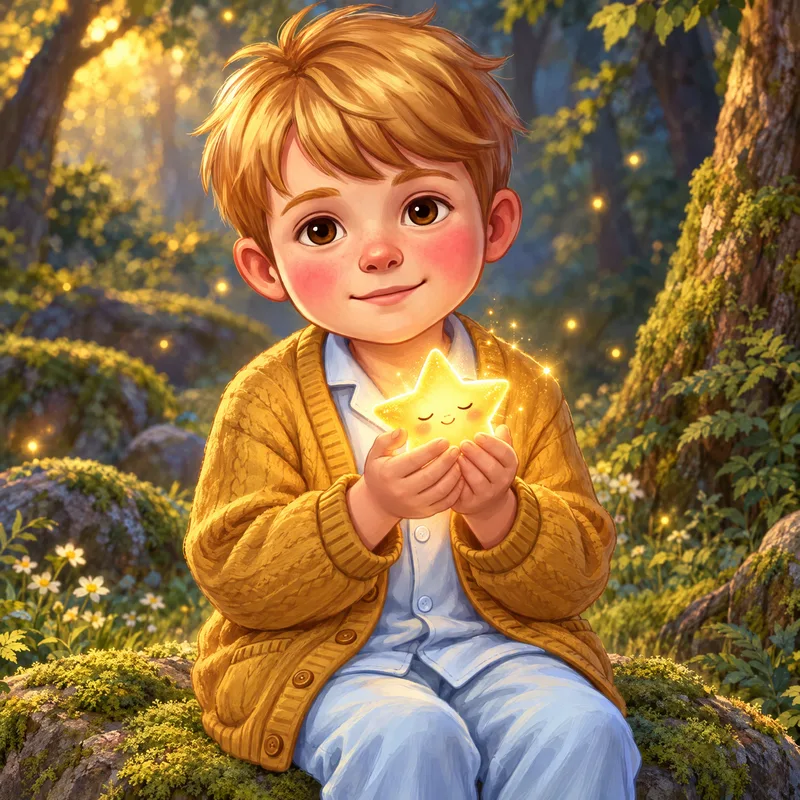
Fantasy painting
AvailableRich, painterly fantasy scenes full of glowing light.
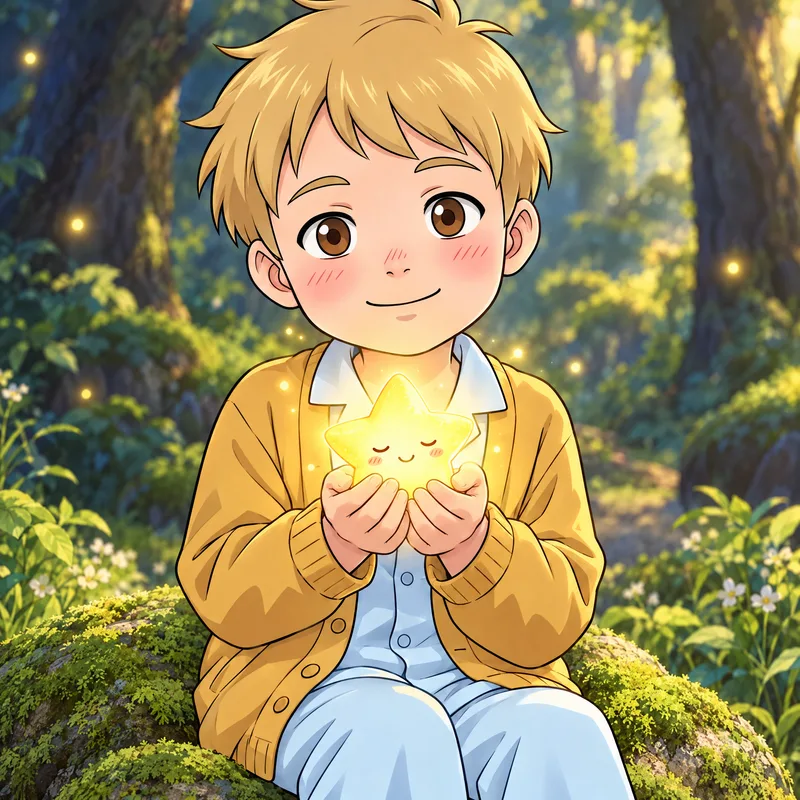
Anime-inspired
AvailableClean line art, cel shading and large, expressive eyes.
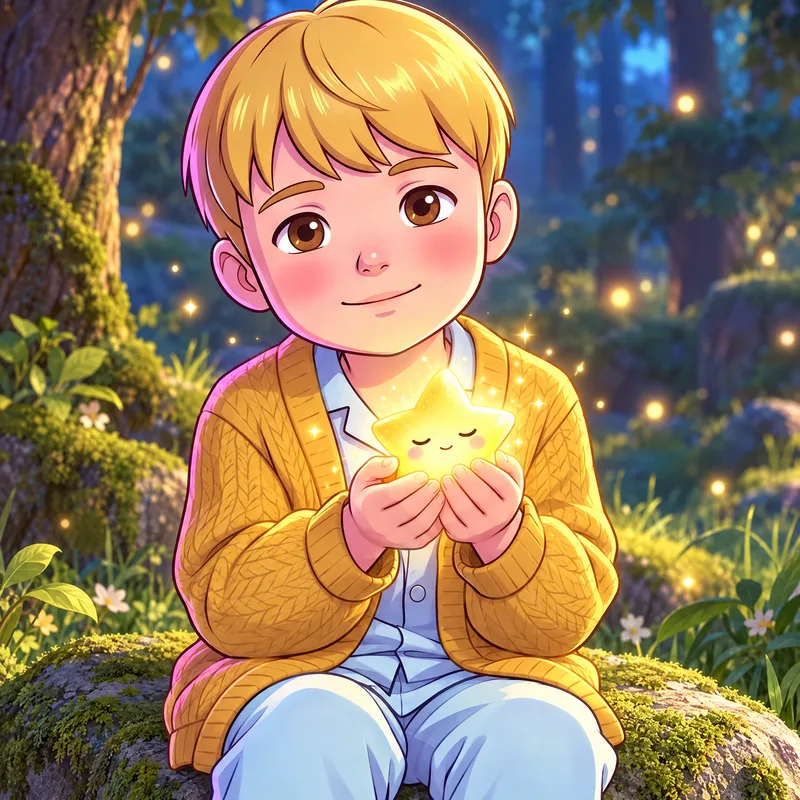
Pop anime 3D
AvailableCel-shaded 3D with big sparkling eyes and bright, glowing colours.
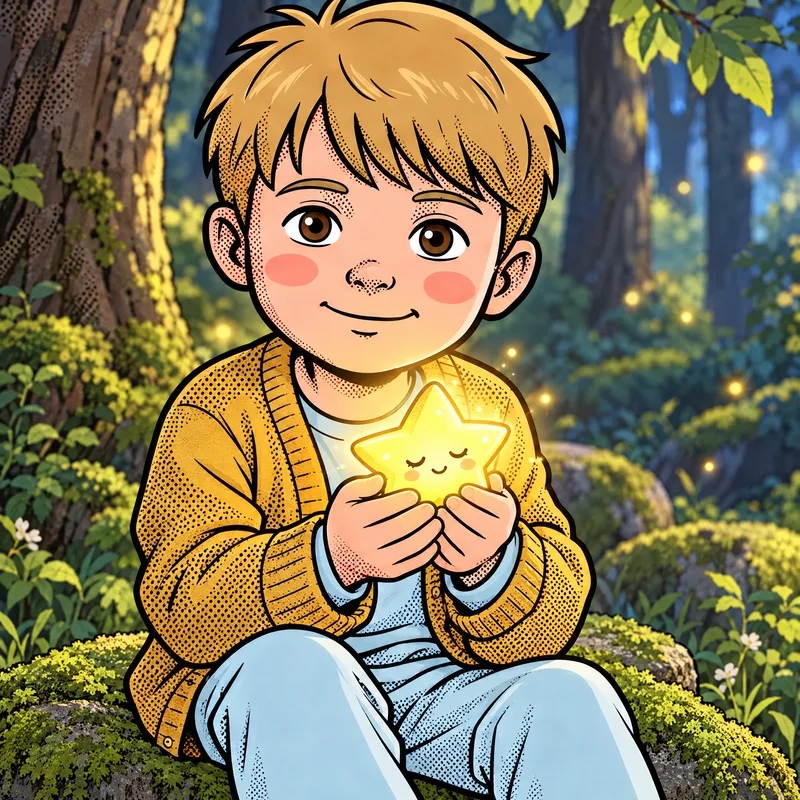
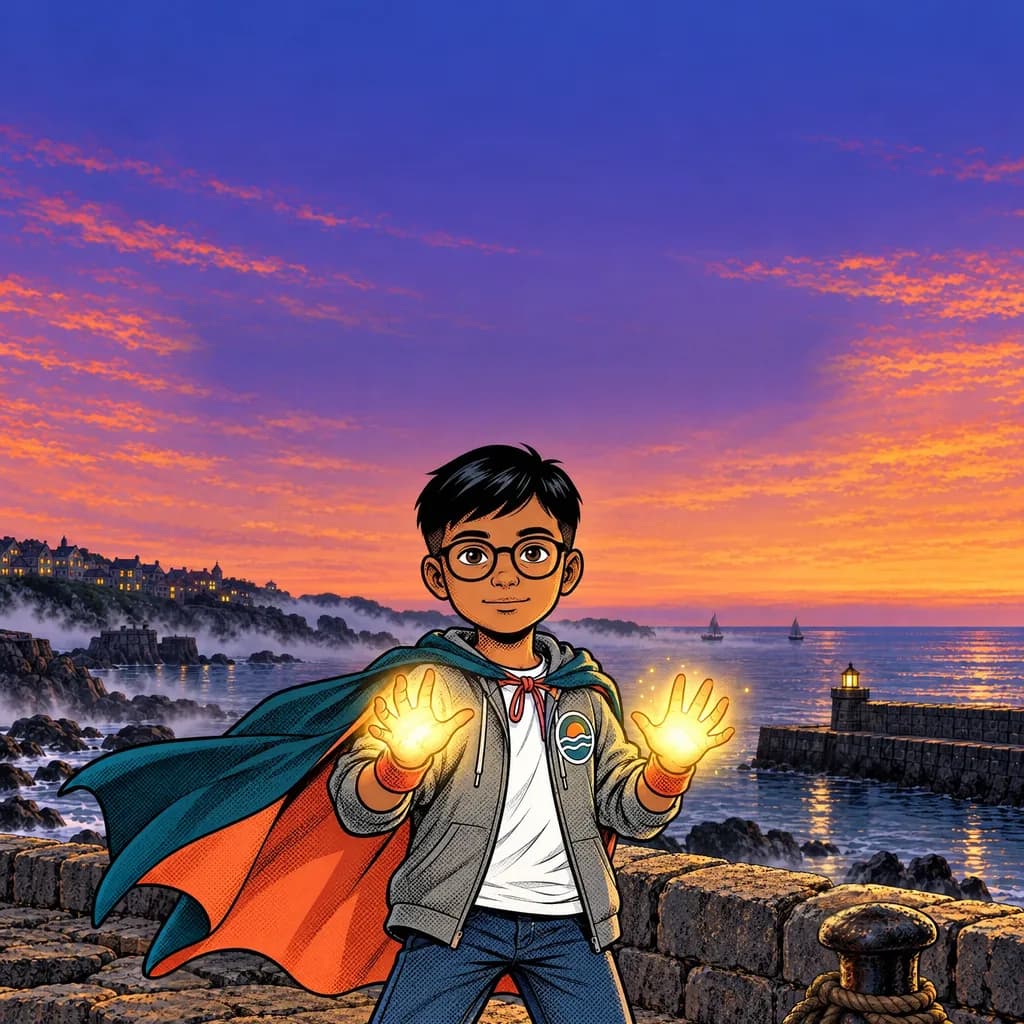
Bold comic
AvailableThick ink lines, flat bright colours, halftone dots and dynamic angles.
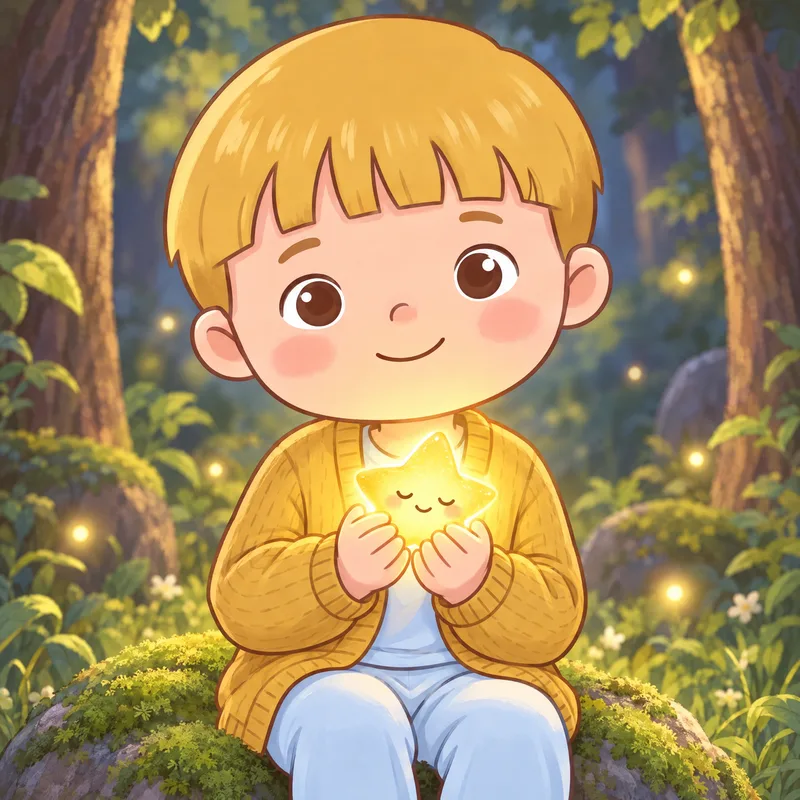
Cute chibi
AvailableTiny bodies, big heads and soft pastel colours.
Formats and prices
Prices include VAT.
+ €6.90 shipping · free from 2 books