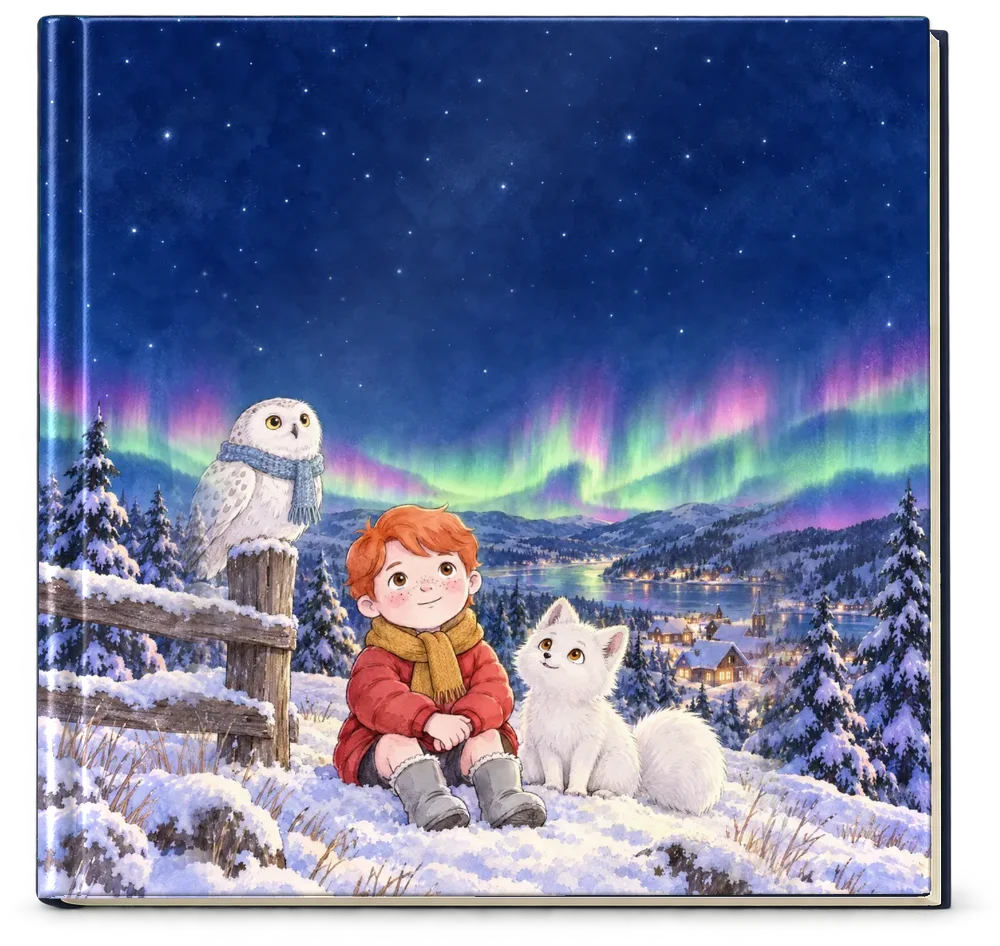
Watch the title change here and on every book on the site. It stays in this browser tab only.
The Northern Lights
In a snowy village in the far north, a little fox and your child learn that the lights come to those who can wait.
This story is still being written. Leave your email and we will write once, when it is ready.
Tell me when it's ready
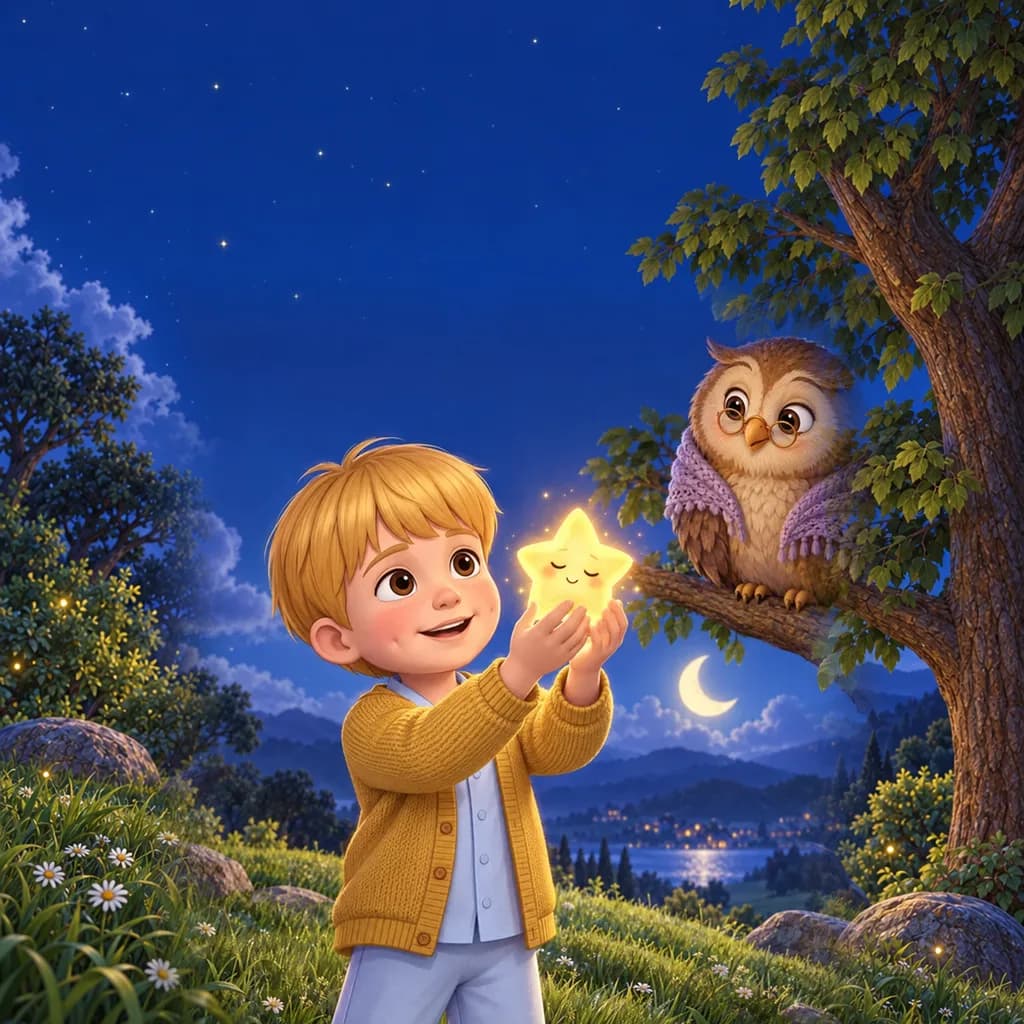
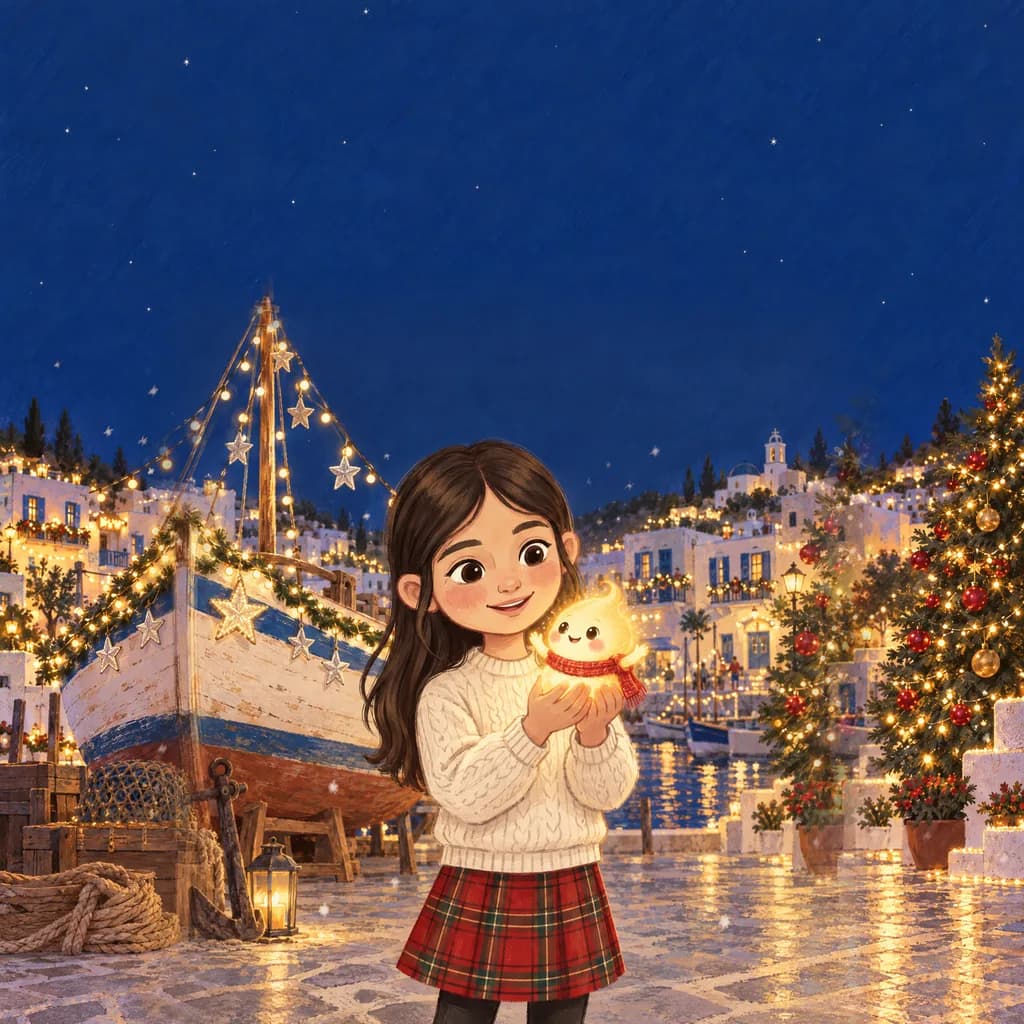
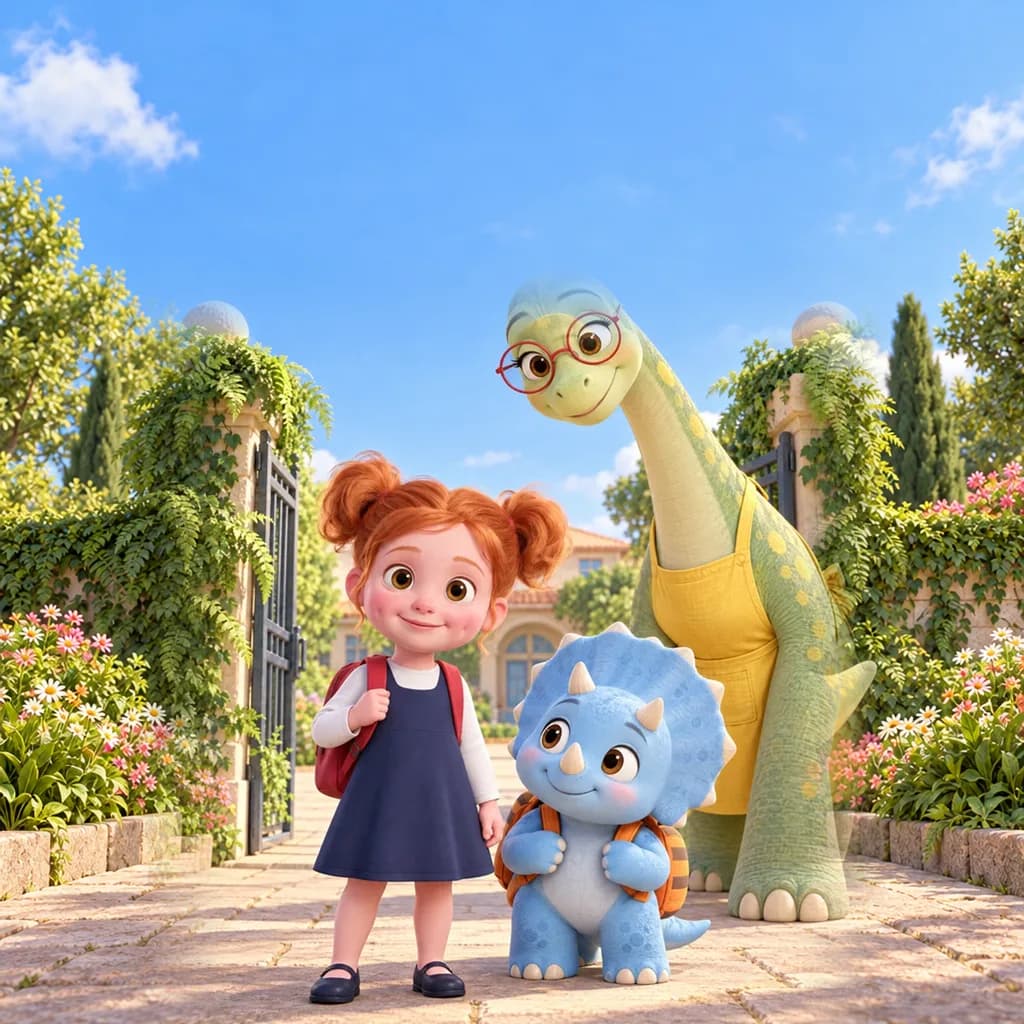
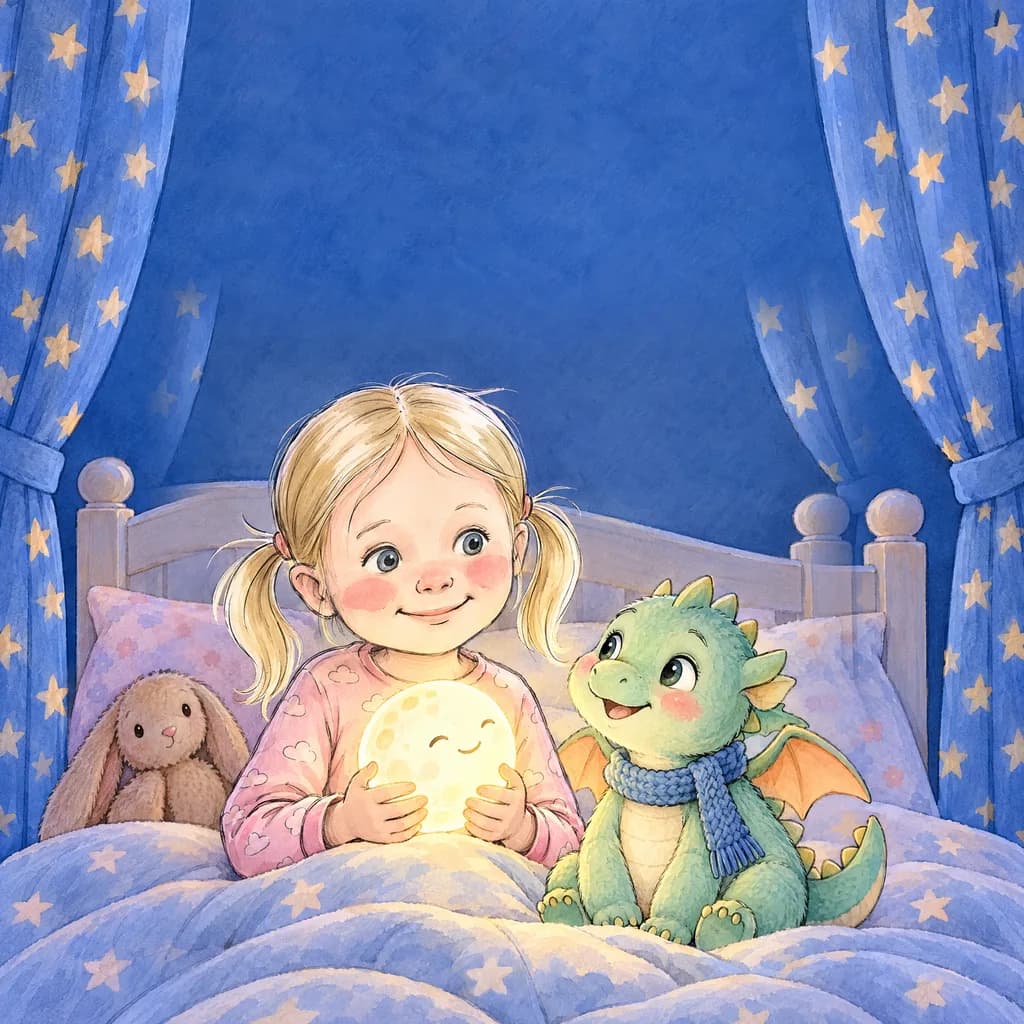
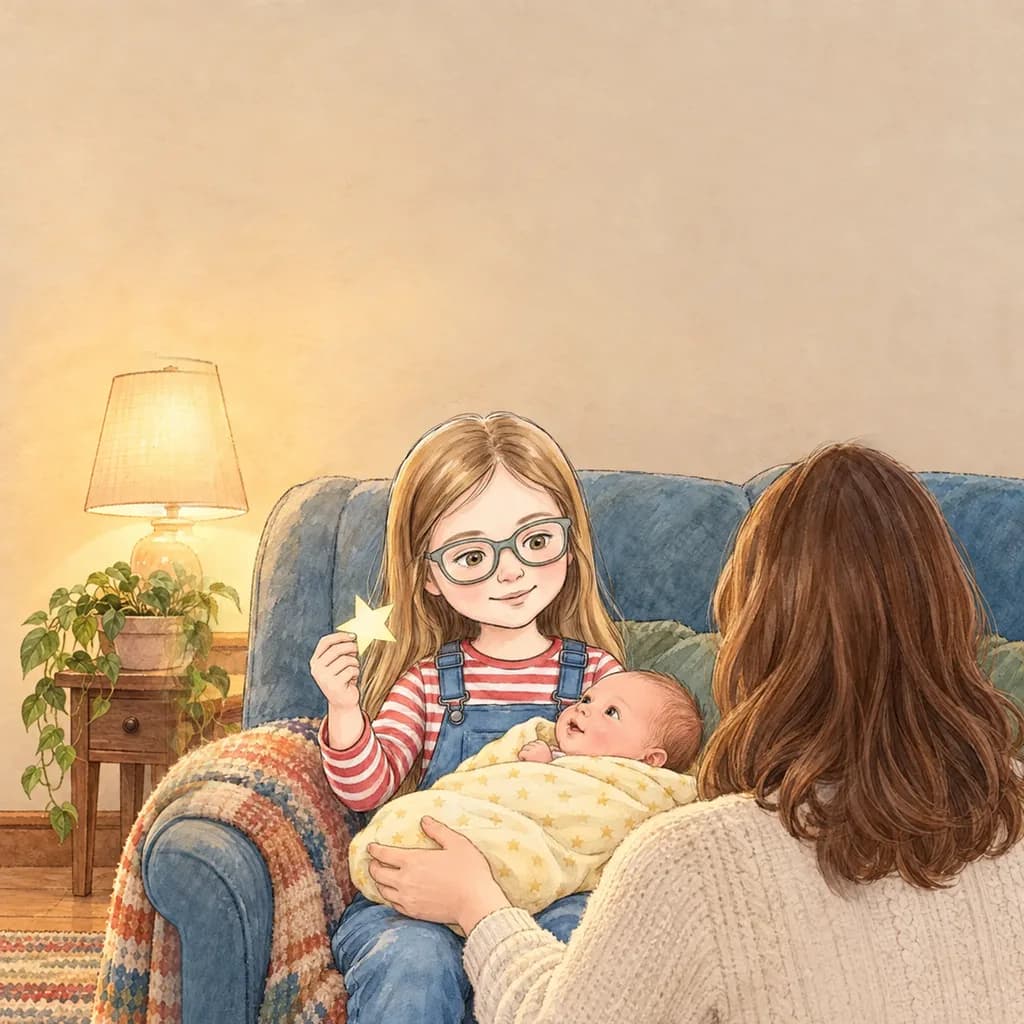
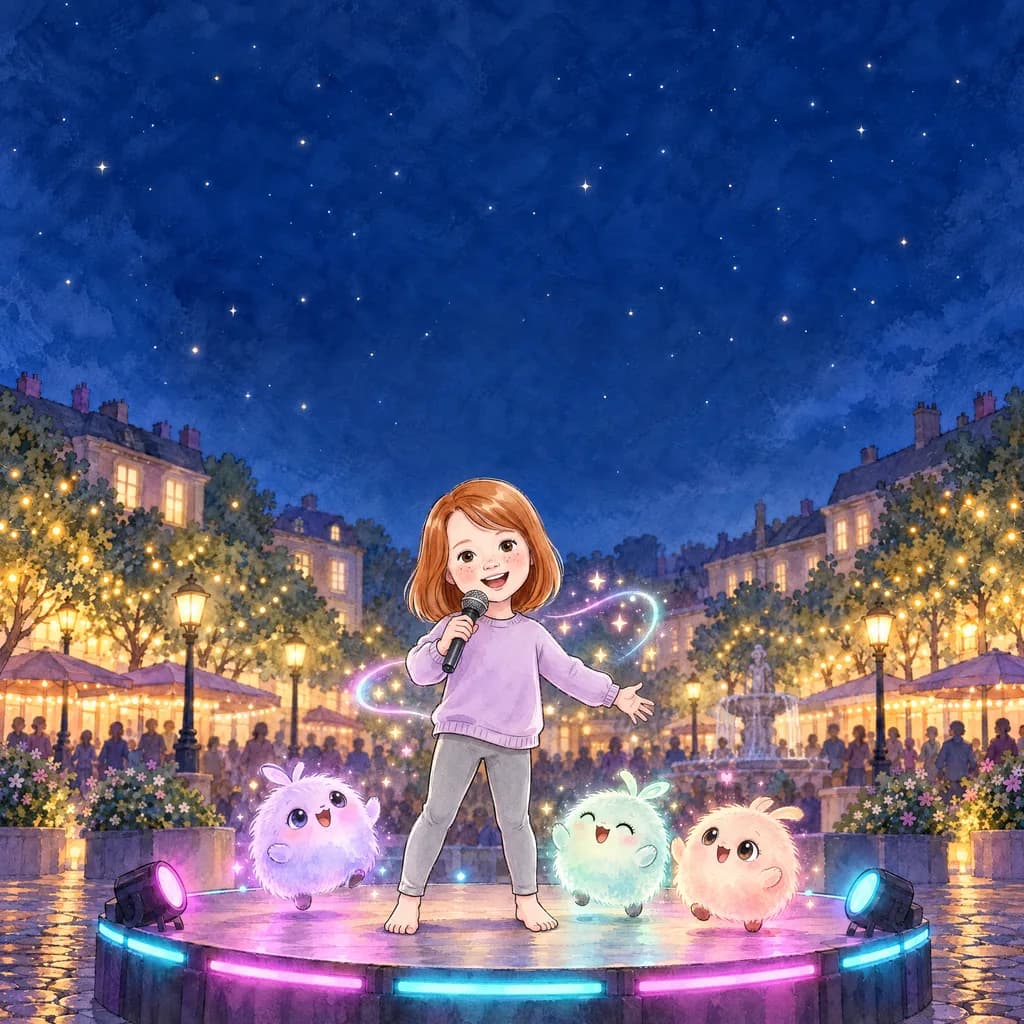
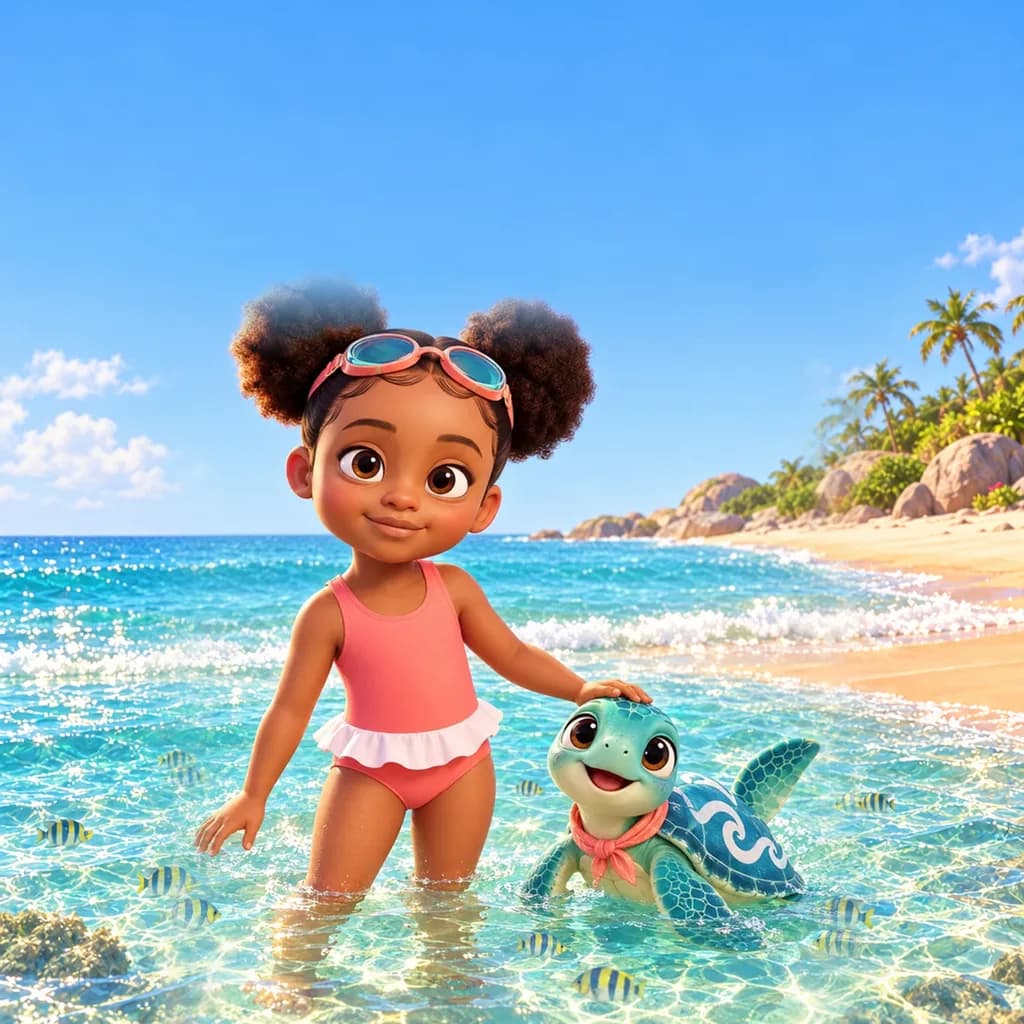
Helps with
Big feelings
Impatience and the fizzy feeling of waiting: learning to settle, one slow breath and three stars at a time.
The tool your child practises in the story
Breathe in like falling snow, breathe out like a cloud, count three stars
Sit together and breathe in slowly through the nose, imagining snow falling softly. Breathe out through the mouth in a long, gentle puff, like a little cloud. Then find three stars together: real ones in the sky, three things in the room, or three fingers. Do it two or three times. It works best when you practise it on easy days, so your child can reach for it when waiting gets hard.
For grown-ups
What this story is about
Waiting is one of the hardest things for a young child: a long car journey, a birthday that is still weeks away, a turn on the swing. Impatience can feel like fizzing, prickling or crossness inside. In this story your child longs to see the northern lights, tries every way to hurry the night, and learns a small waiting game from a wise old owl. When the feeling has calmed, the lights come, and your child passes the game on to some even more impatient little hares.
Three ways to talk about it
- Name the feeling: "Waiting feels fizzy and cross, doesn't it? That's because you really, really want it."
- Play the waiting game at calm moments first, so it is ready when waiting gets hard: at the doctor's, in a queue, before a treat.
- Make waiting visible: count sleeps on a calendar, turn a sand timer, or notice three things you can hear while you wait.
Three questions to ask
- How did the child in the story feel while waiting for the lights? Where in the body did they feel it?
- What did they try to make the night go faster? Did it work?
- What helped in the end? When could you play the waiting game?
Practise the tool together: Breathe in like falling snow, breathe out like a cloud, count three stars
Sit together and breathe in slowly through the nose, imagining snow falling softly. Breathe out through the mouth in a long, gentle puff, like a little cloud. Then find three stars together: real ones in the sky, three things in the room, or three fingers. Do it two or three times. It works best when you practise it on easy days, so your child can reach for it when waiting gets hard.
If impatience or frustration often turns into long meltdowns, or your child finds it very hard to wait or settle in many everyday situations, it is worth talking to your paediatrician or a child psychologist.
Look inside
Twelve illustrated spreads: the picture on the left, the story on the right. These sample pages show an invented child called Leo.
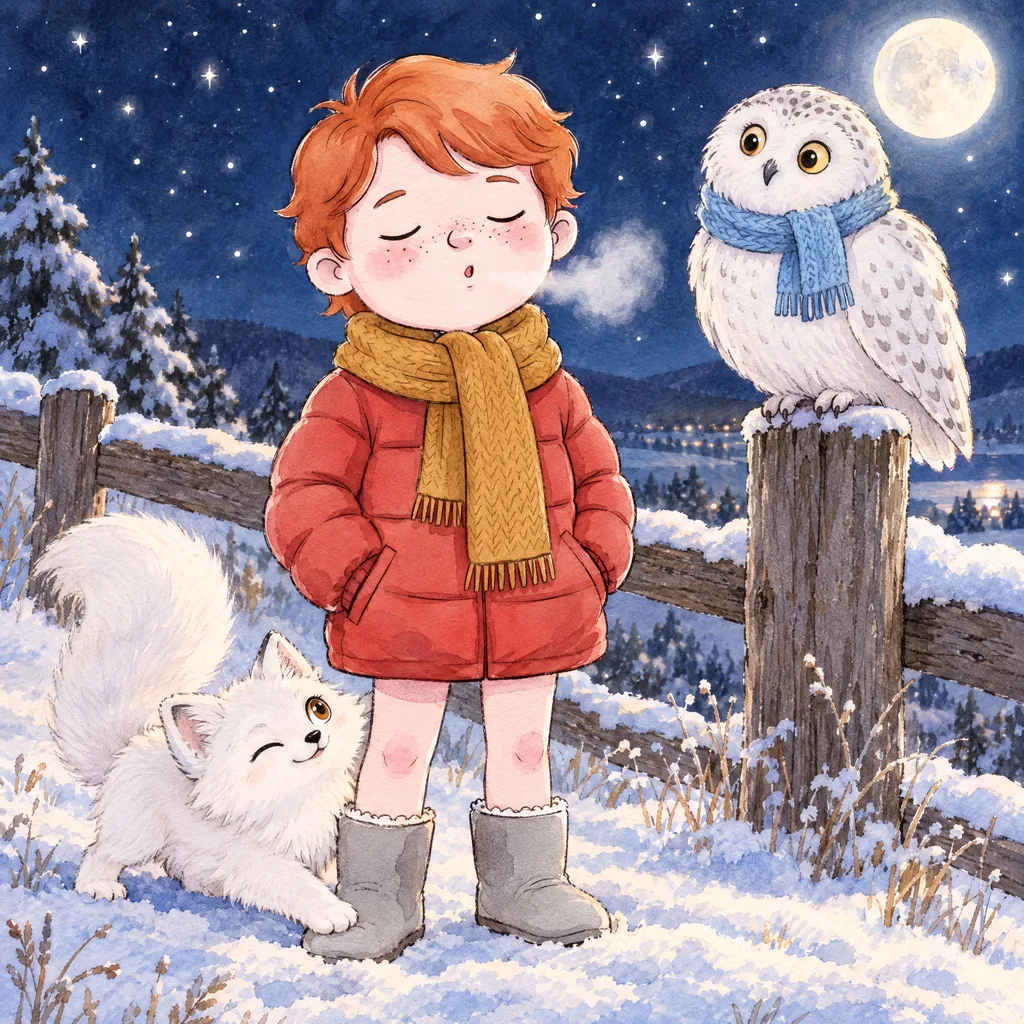
On the old fence sat Mrs Moonfeather, a big snowy owl in a little blue scarf. "Hoo," she said softly. "The lights never come to fidgets. Try my waiting game. Breathe in like falling snow, slow and soft. Breathe out like a cloud. Then count three stars." Leo breathed in. Dash breathed out. "One star, two st... is it time yet?" Mrs Moonfeather blinked her golden eyes. "Not yet, my dears. Not yet."

So Leo sat down in the snow, and Dash sat down too. Breathe in like falling snow: slow... soft... Breathe out like a cloud: whoooo. A little white cloud floated away. Count three stars: one... two... three. They did it again. And again. The fizzy feeling began to settle, like snow in a snow globe. Now Leo could hear tiny things: the hush of the hill, the creak of the pine, Dash's soft breathing.

And then the whole sky came alive. Green swirled into pink, pink rippled into purple, and great shining curtains of light swayed and twirled above Frostvale, as if the night itself were dancing. "Ohhh," breathed Leo. "Ohhh," breathed Dash. Mrs Moonfeather fluffed her feathers and gave one happy "Hoo!" It was worth every single minute.
Spread 1 of 3
The styles it will be drawn in
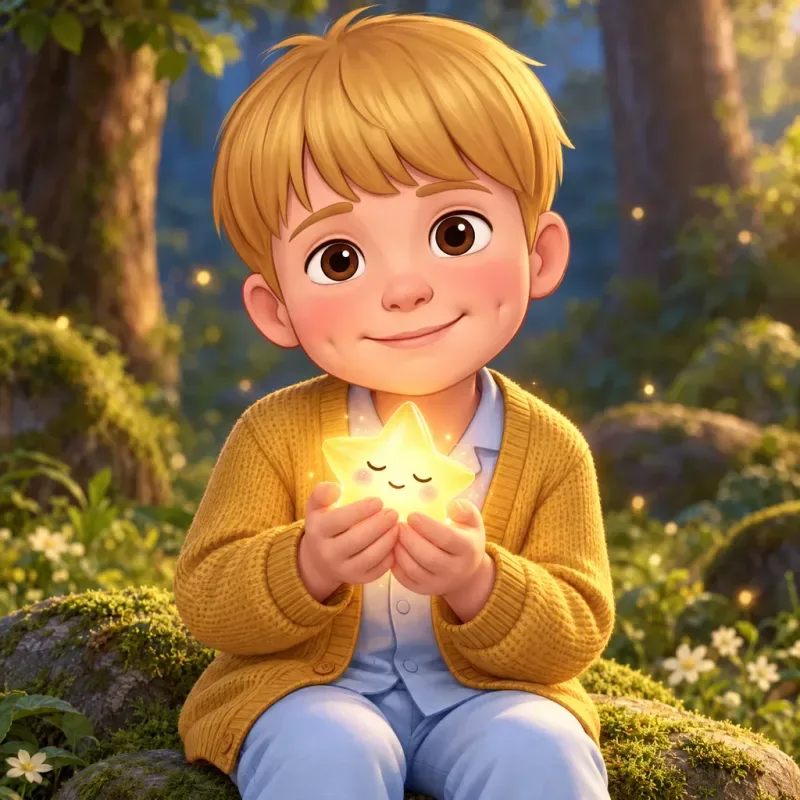
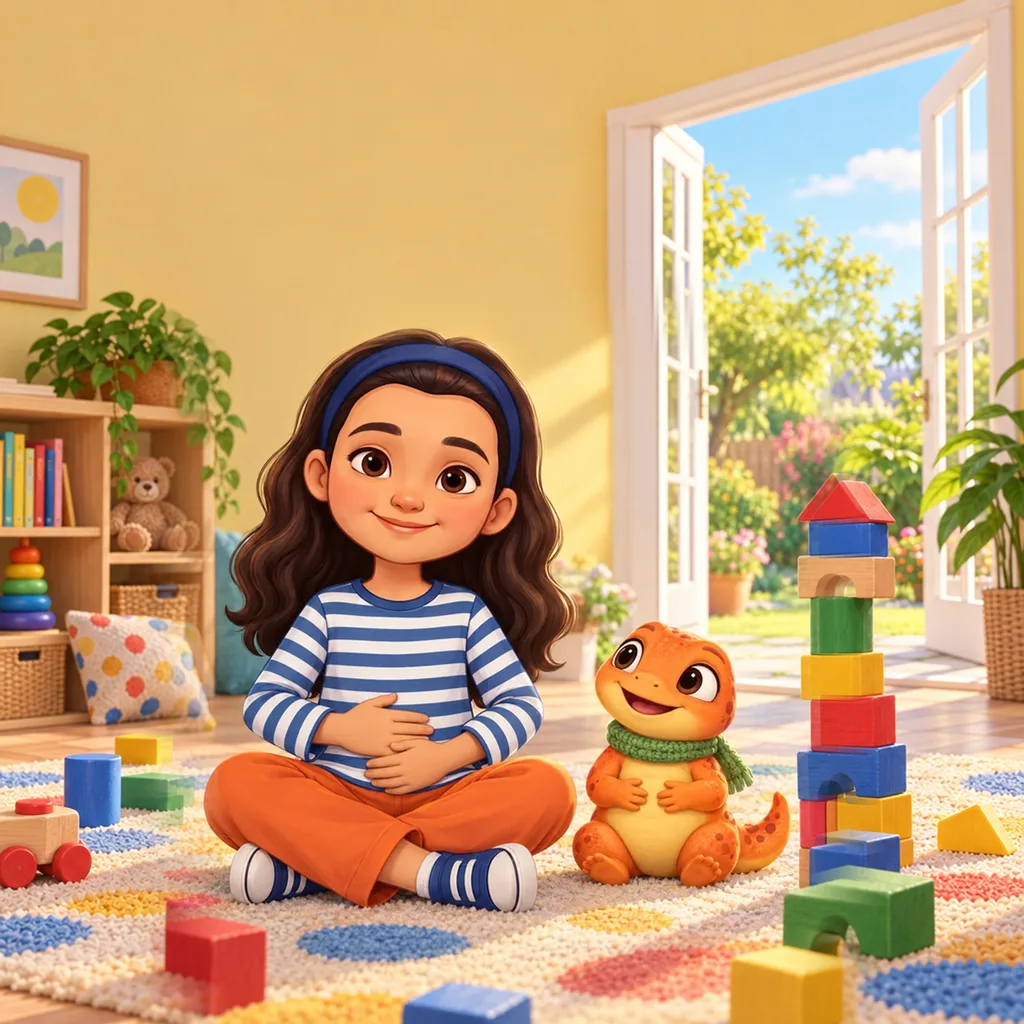
Soft 3D
AvailableRounded, softly lit 3D characters with big expressive eyes. Faces stay recognisable: hair, glasses, smile.
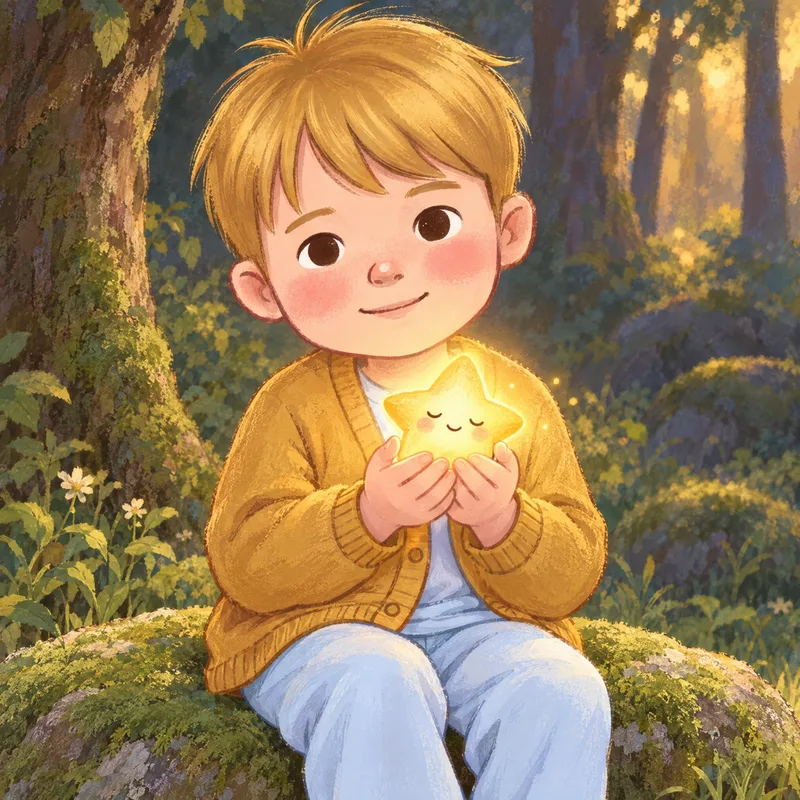
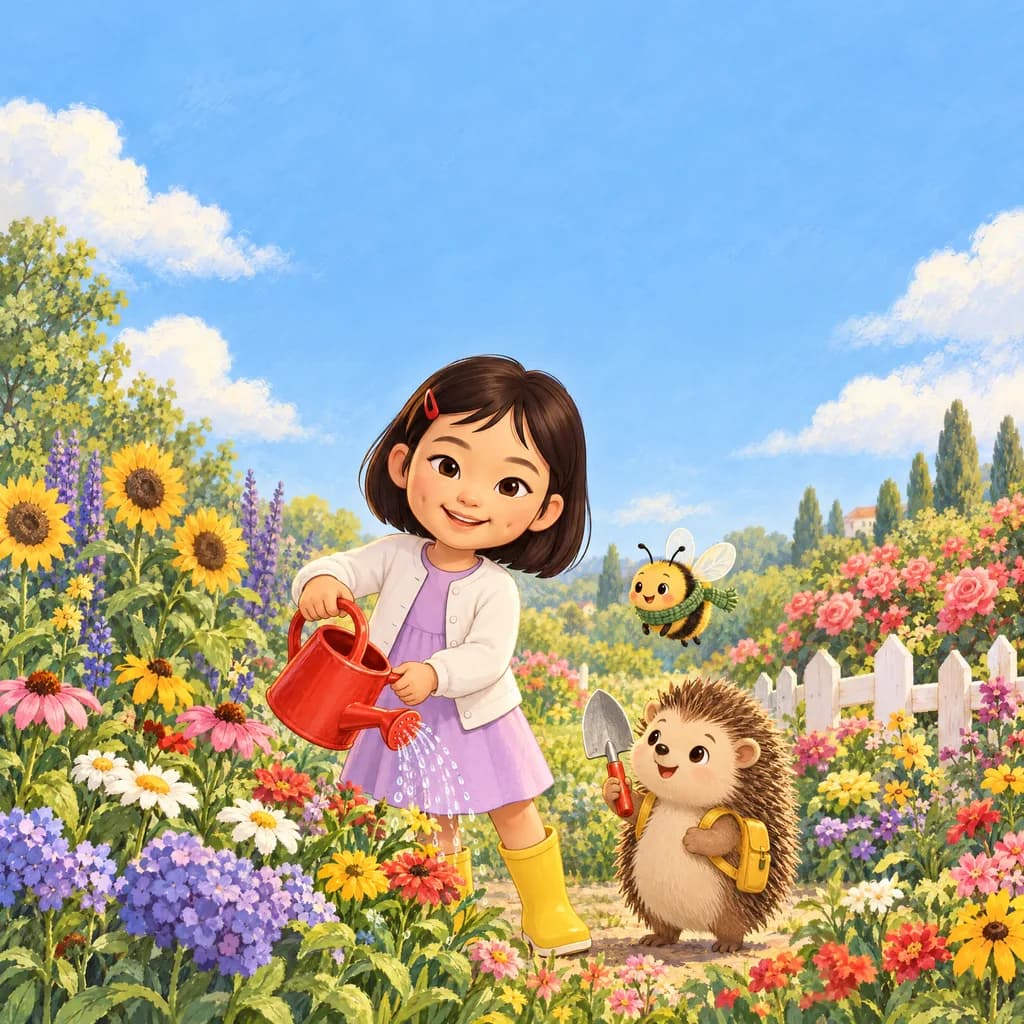
Storybook gouache
AvailableMatte, hand-painted colours with visible brush texture and soft edges, like a classic picture book.
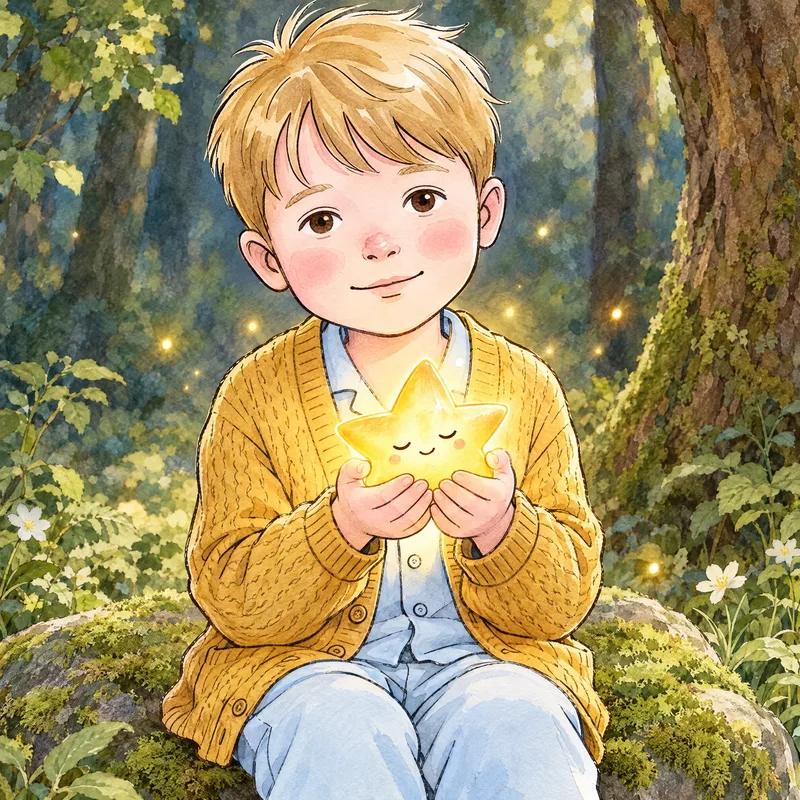
Watercolour
AvailableLoose, soft washes of colour with fine ink lines and the texture of real paper.
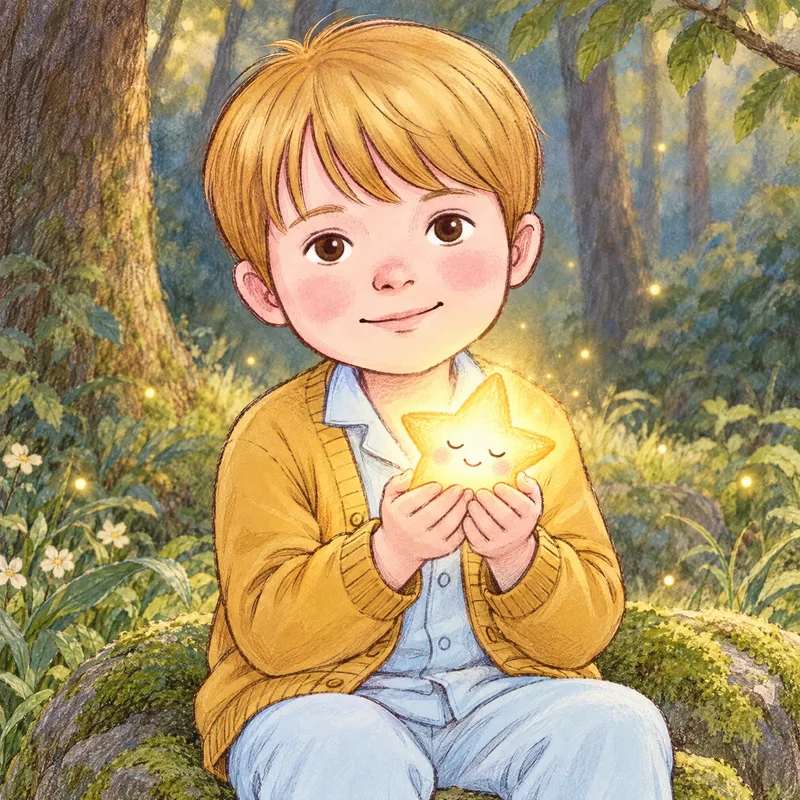
Pencil and watercolour
AvailableColoured pencil over light watercolour washes, warm and drawn by hand.
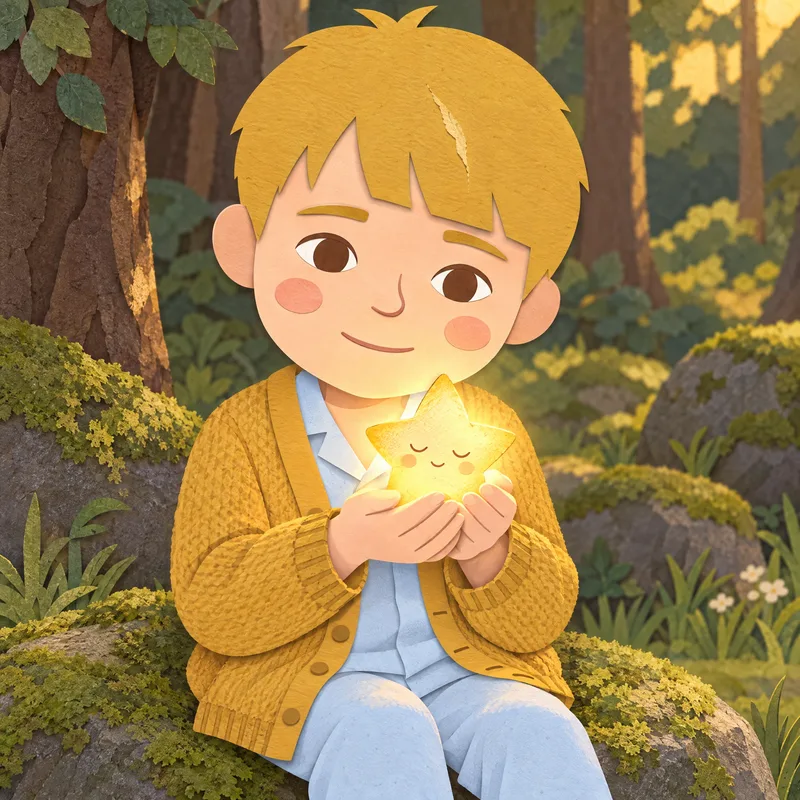
Paper collage
AvailableLayers of cut and torn coloured paper, with grain and edges you can almost touch.
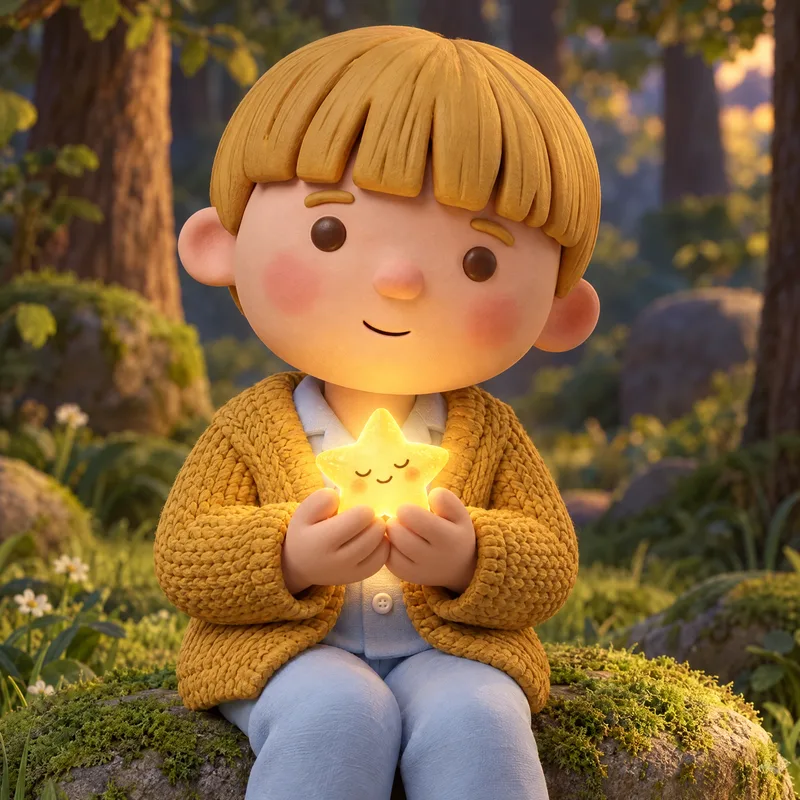
Clay
AvailableSculpted from soft modelling clay, like a handmade stop-motion film.
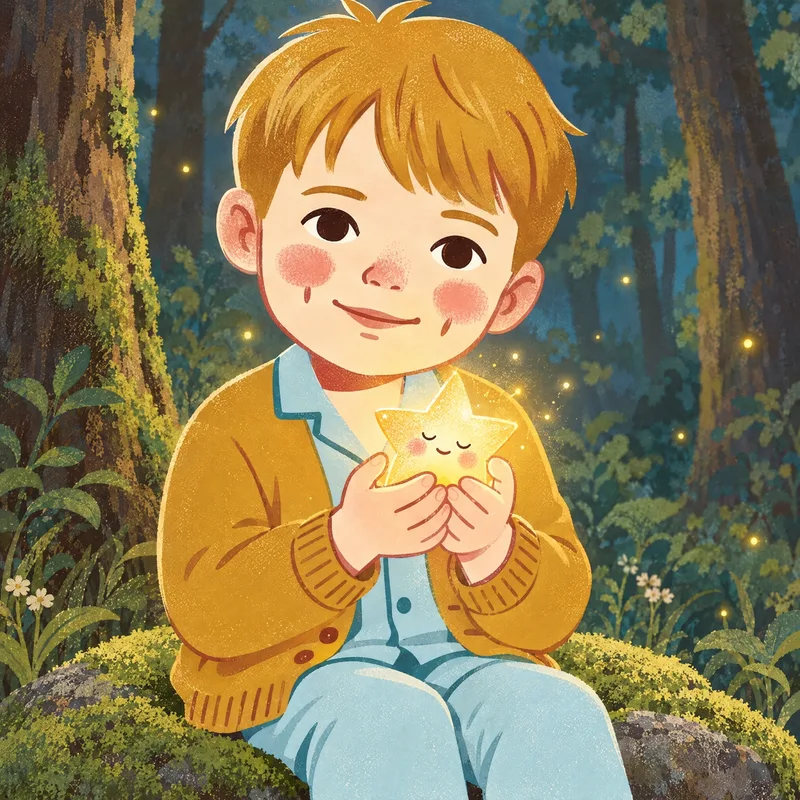
Vintage storybook
AvailableThe look of mid-century picture books: flat shapes, muted colours, a soft printed grain.
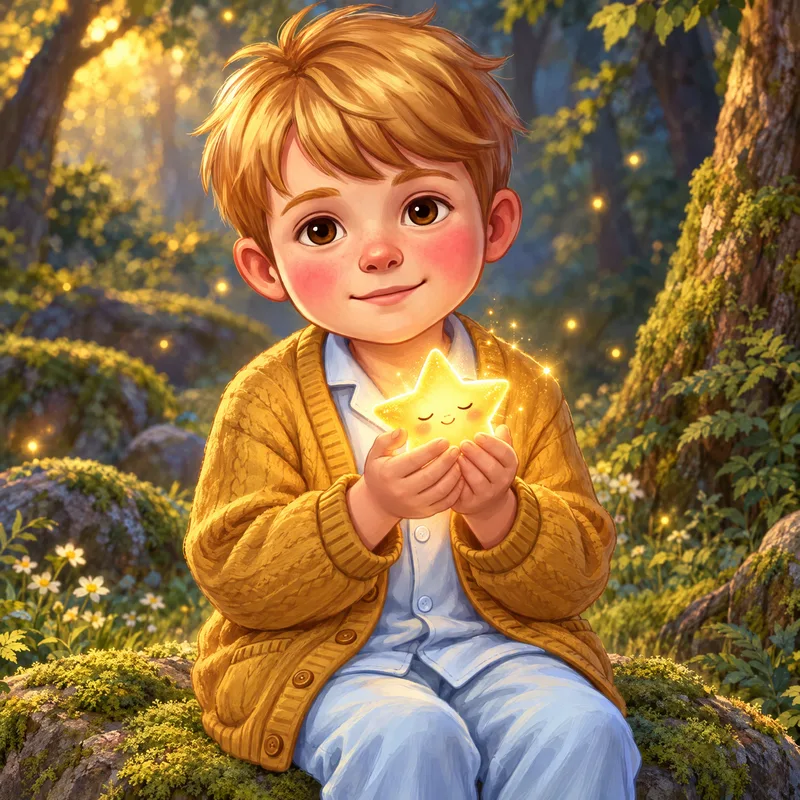
Fantasy painting
AvailableRich, painterly fantasy scenes full of glowing light.
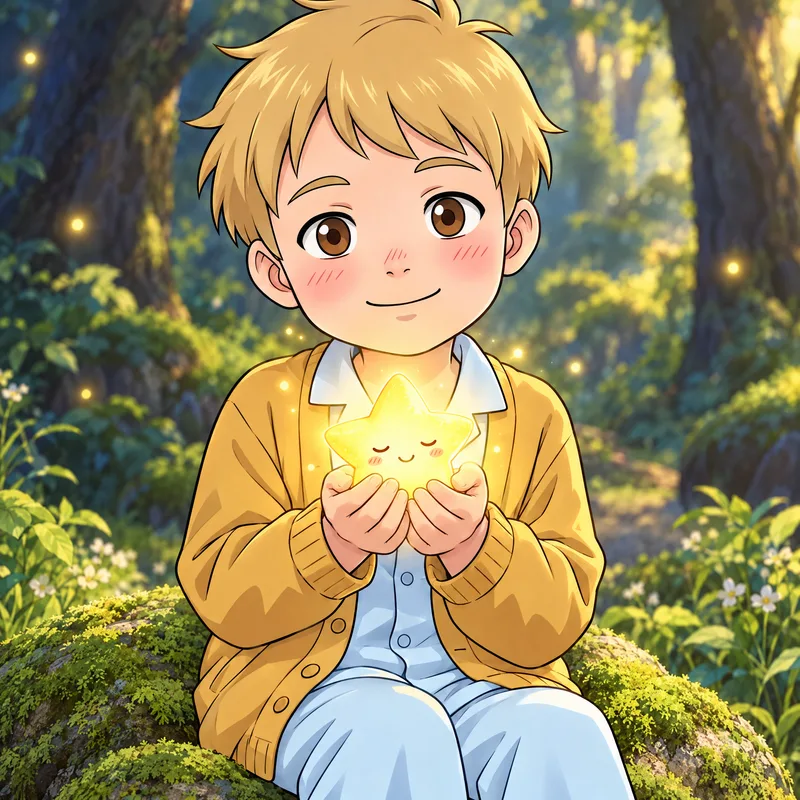
Anime-inspired
AvailableClean line art, cel shading and large, expressive eyes.
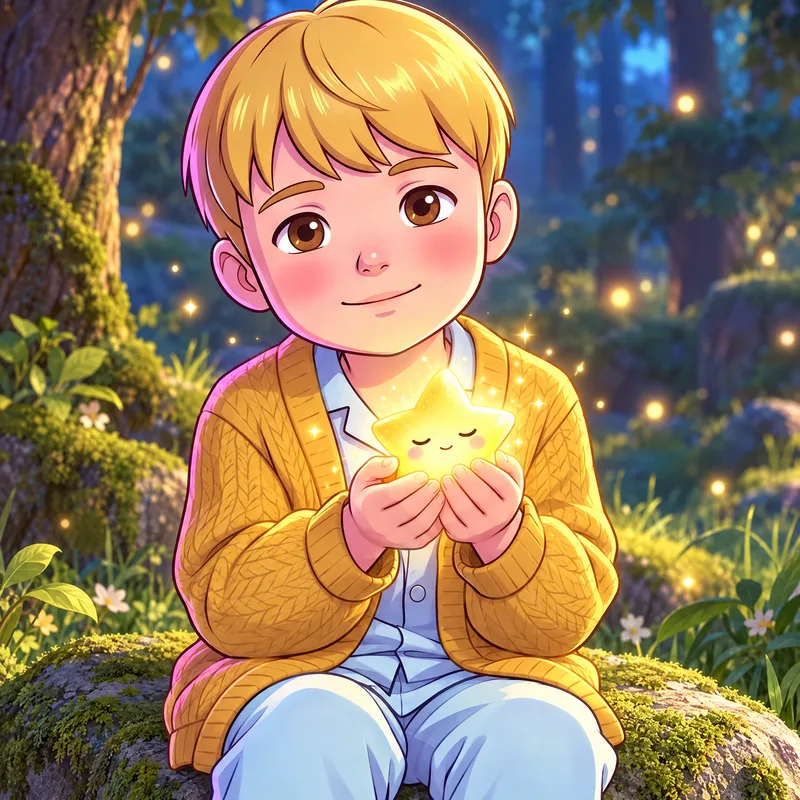
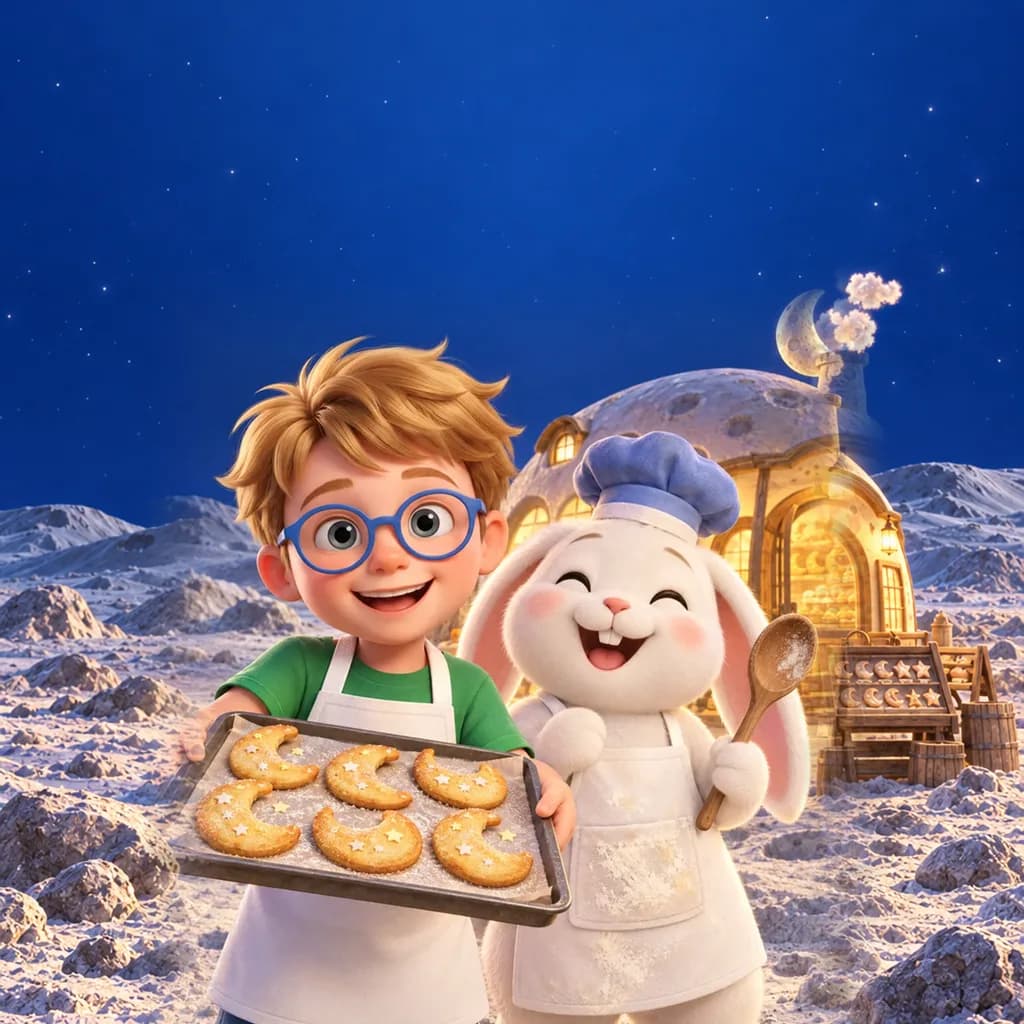
Pop anime 3D
AvailableCel-shaded 3D with big sparkling eyes and bright, glowing colours.
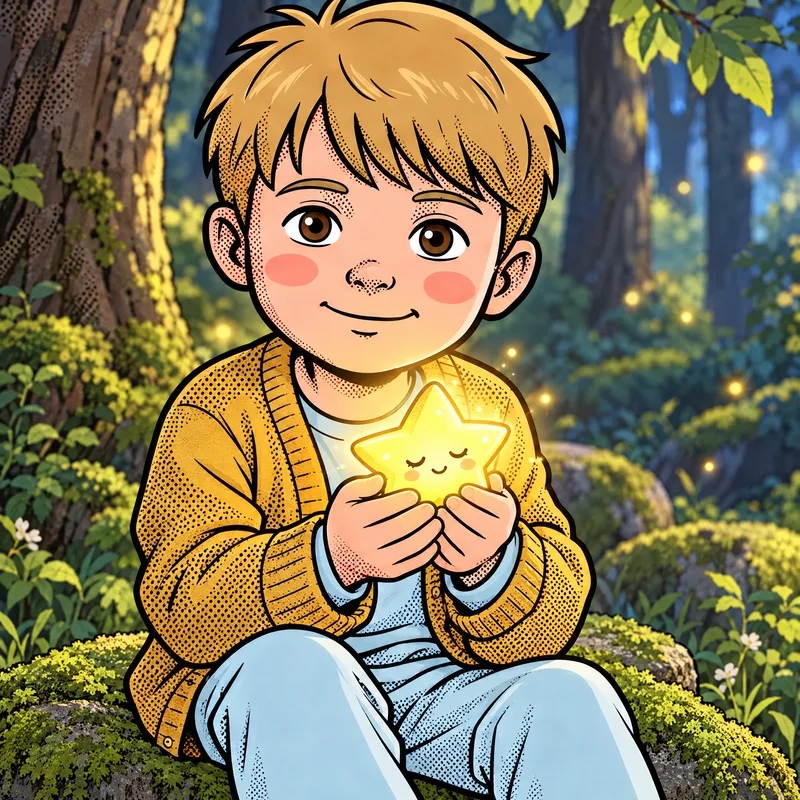
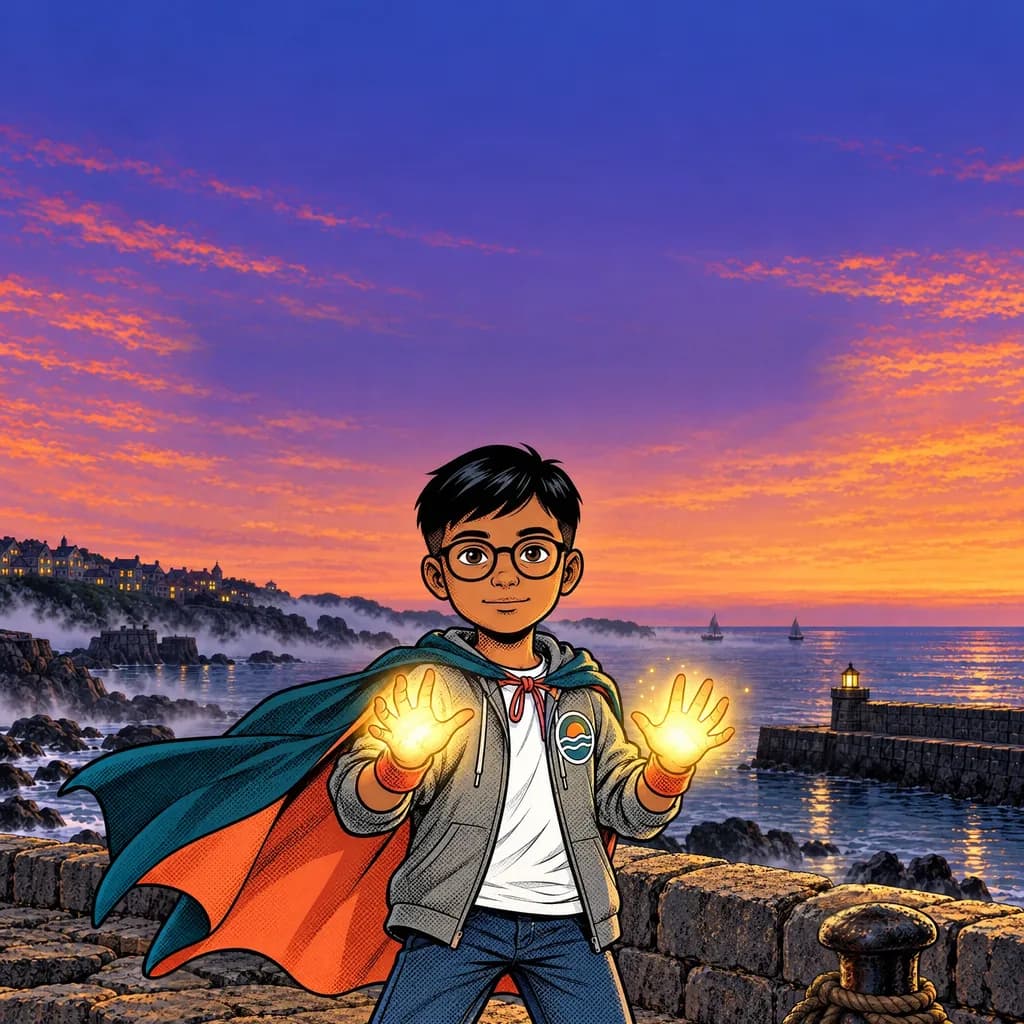
Bold comic
AvailableThick ink lines, flat bright colours, halftone dots and dynamic angles.
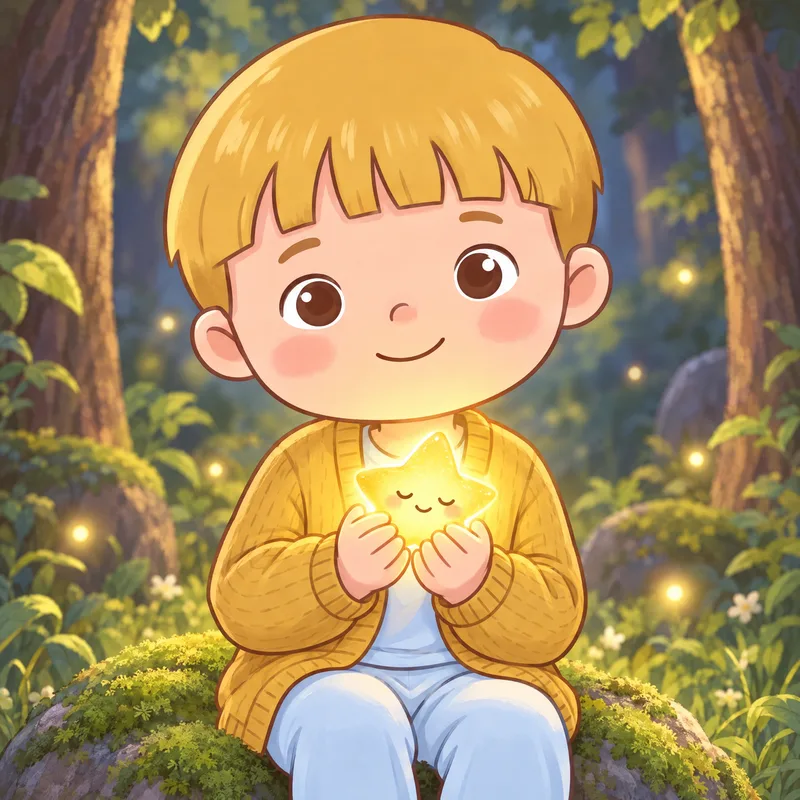
Cute chibi
AvailableTiny bodies, big heads and soft pastel colours.