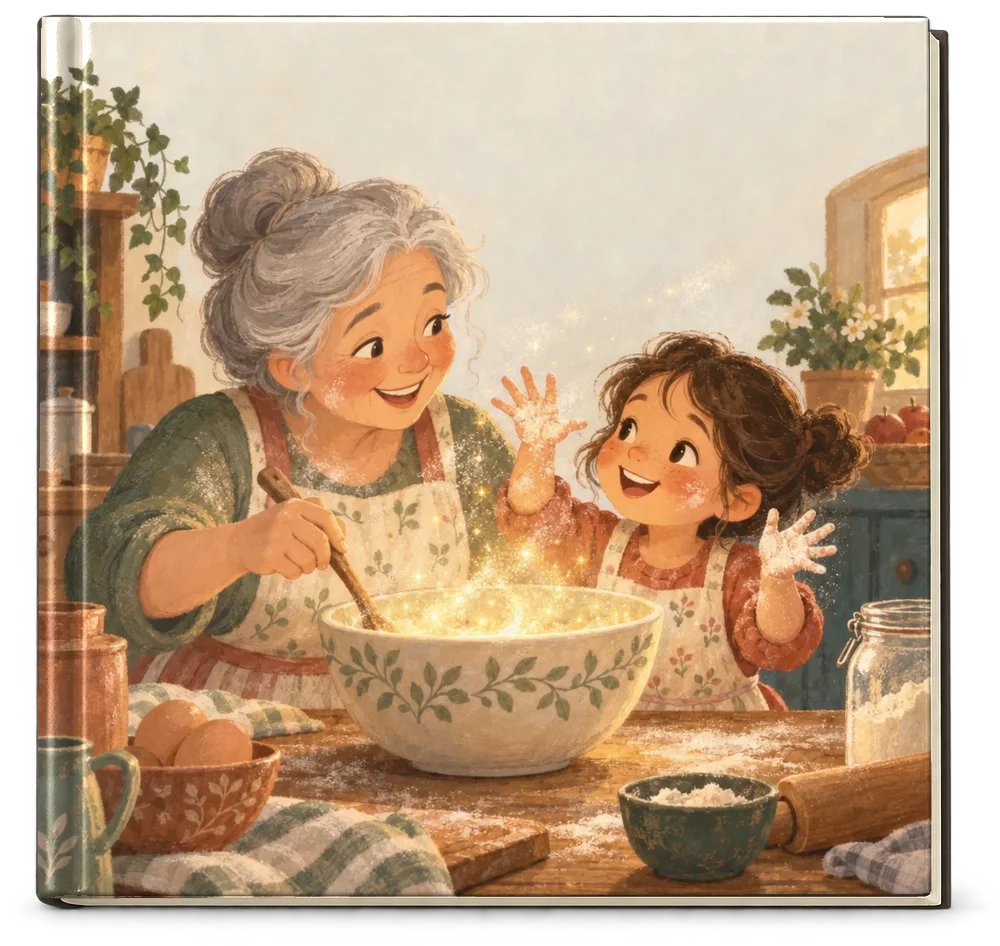
Watch the title change here and on every book on the site. It stays in this browser tab only.
Grandma's Magic Kitchen
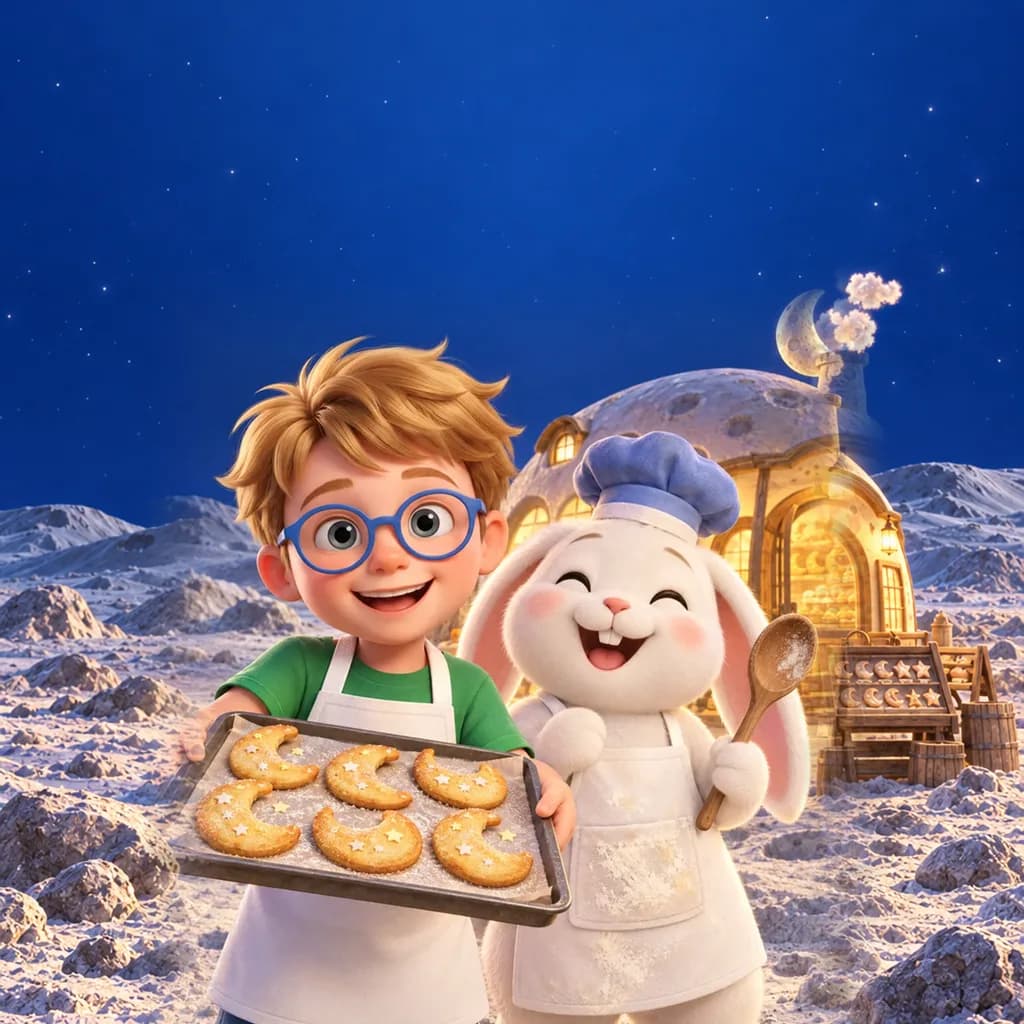
A child and a grandparent cook up a recipe that bakes wishes.
This story is still being written. Leave your email and we will write once, when it is ready.
Tell me when it's ready



Helps with
Kindness
Patience, sharing and kindness: giving a little warmth to someone who needs it.
The tool your child practises in the story
Measure, wait, share
Use it whenever you make something together, from buns to a birthday card. Measure: start light, with a smile or a joke, especially when something goes wrong. Wait: when something takes time, fill it with a small game instead of peeking or rushing, and say out loud how long it will be. Share: before you finish, decide together who could have a piece, and take it to them. Afterwards, ask your child how the other person looked when they received it.
For grown-ups
What this story is about
Kindness is something children learn by doing, and it often needs two smaller skills first: being able to wait, and being able to laugh off a mistake. In this story your child bakes with a grandparent from an old recipe book whose secret ingredients are feelings: a pinch of laughter when the flour explodes, a cup of patience while the dough rises, and a spoon of sharing for a lonely new neighbour. The small tool, measure, wait, share, turns kindness into steps a child can really take.
Three ways to talk about it
- Bake or cook something simple together and name the secret ingredients out loud as you go: "That was a pinch of laughter. Now we need a cup of patience."
- Make waiting a game, not a test: count raindrops, sing a silly song, play I-spy. Then praise the waiting itself: "You waited so well."
- Look for real people who might need a wish: a new neighbour, a classmate who is often alone, a grandparent who lives far away. Let your child choose what to share.
Three questions to ask
- What went wrong when the flour came out all at once? How did laughing help?
- Why did the dough go flat? How did it feel to wait properly the second time?
- Who would you bake Wish Buns for, and what do you think they would wish?
Practise the tool together: Measure, wait, share
Use it whenever you make something together, from buns to a birthday card. Measure: start light, with a smile or a joke, especially when something goes wrong. Wait: when something takes time, fill it with a small game instead of peeking or rushing, and say out loud how long it will be. Share: before you finish, decide together who could have a piece, and take it to them. Afterwards, ask your child how the other person looked when they received it.
If your child finds waiting or sharing very hard for a long time, has frequent big outbursts, or seems lonely and withdrawn with other children, it is worth talking to your paediatrician or a child psychologist.
The styles it will be drawn in
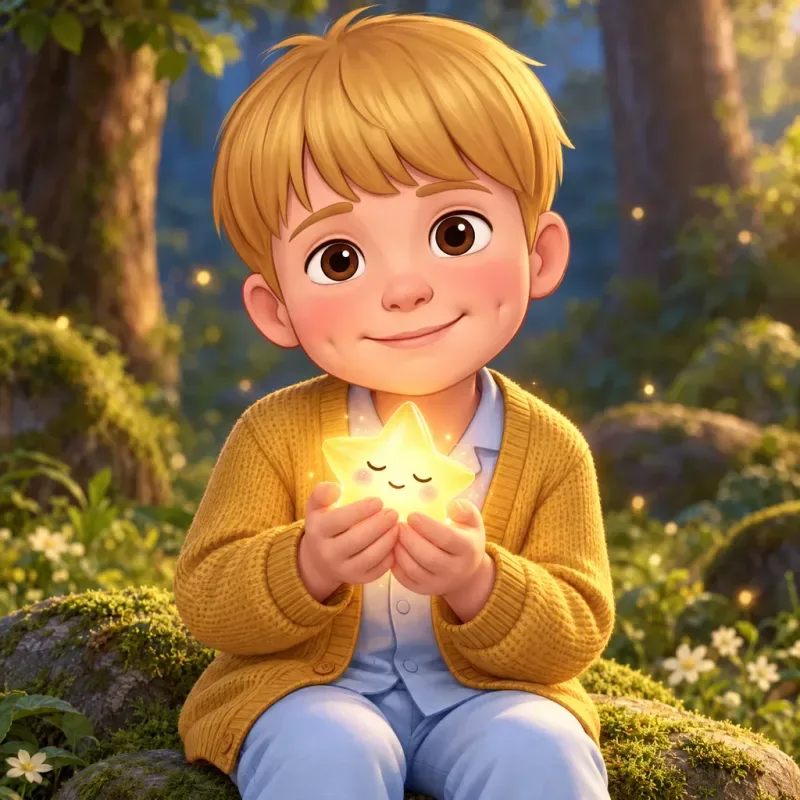
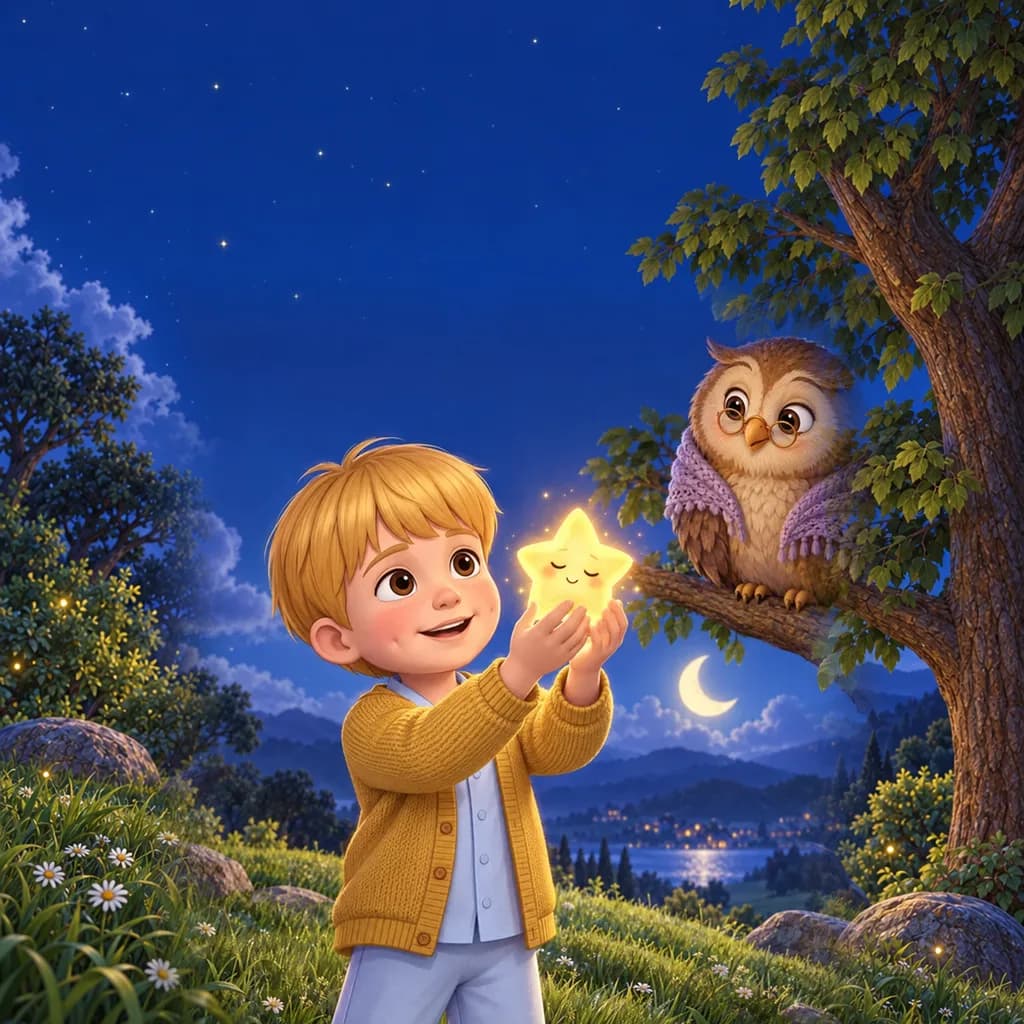
Soft 3D
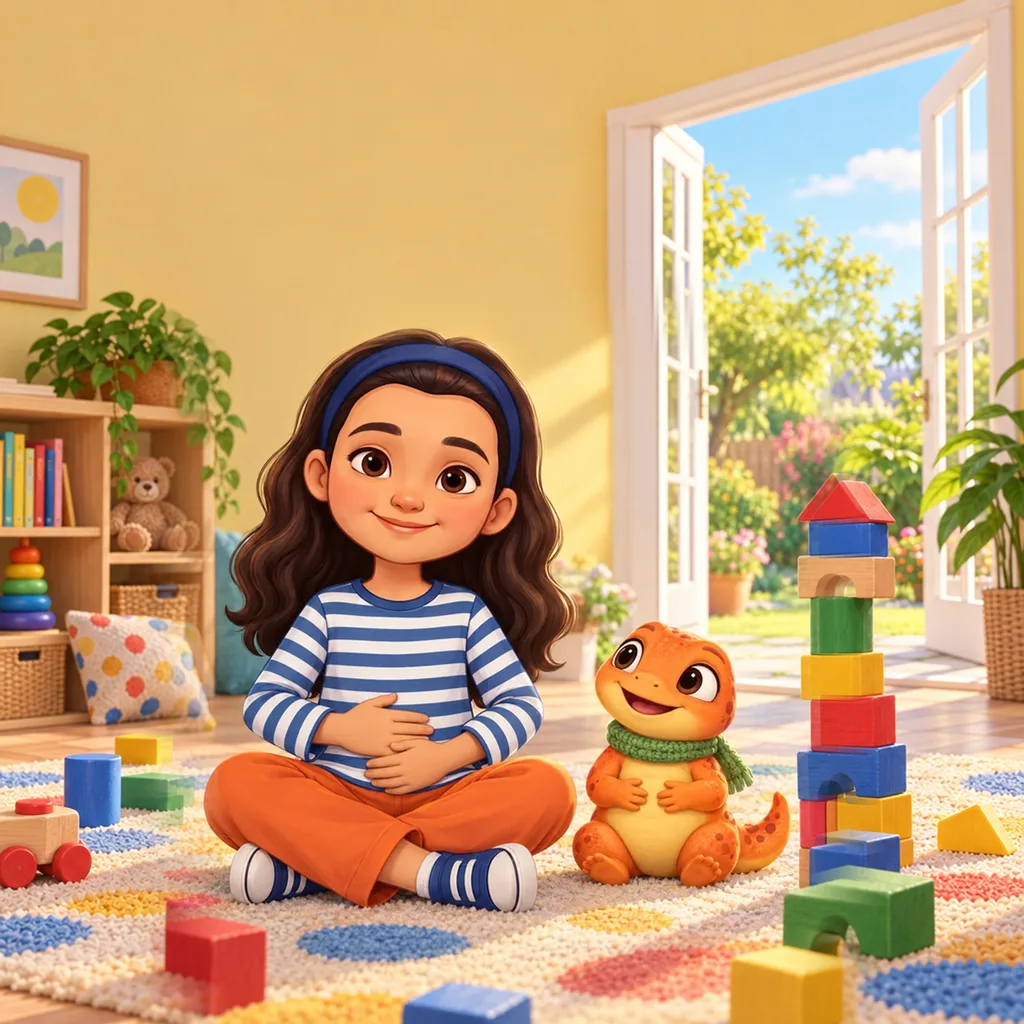
AvailableRounded, softly lit 3D characters with big expressive eyes. Faces stay recognisable: hair, glasses, smile.
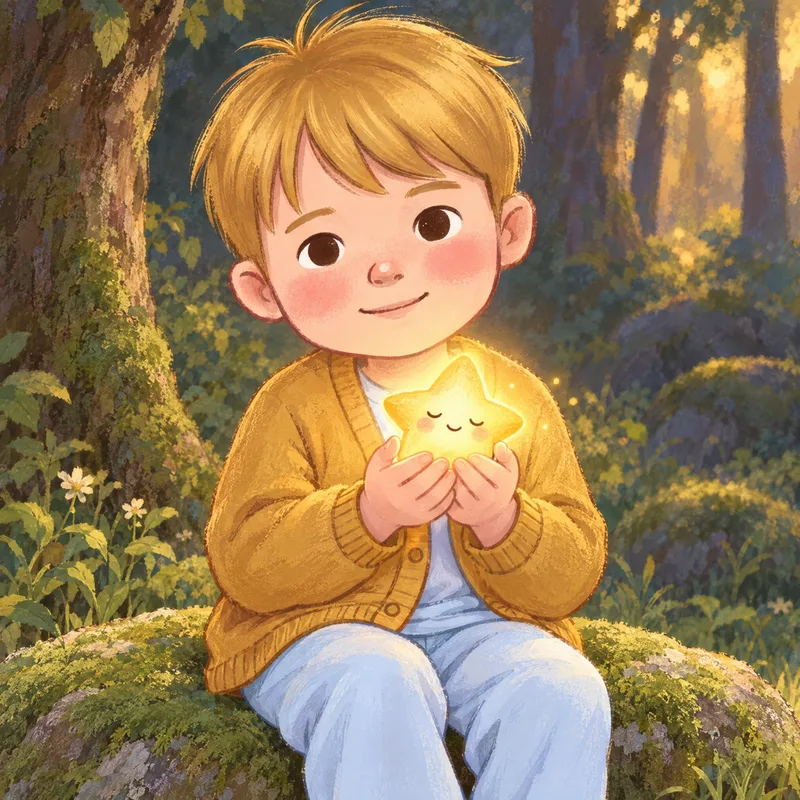
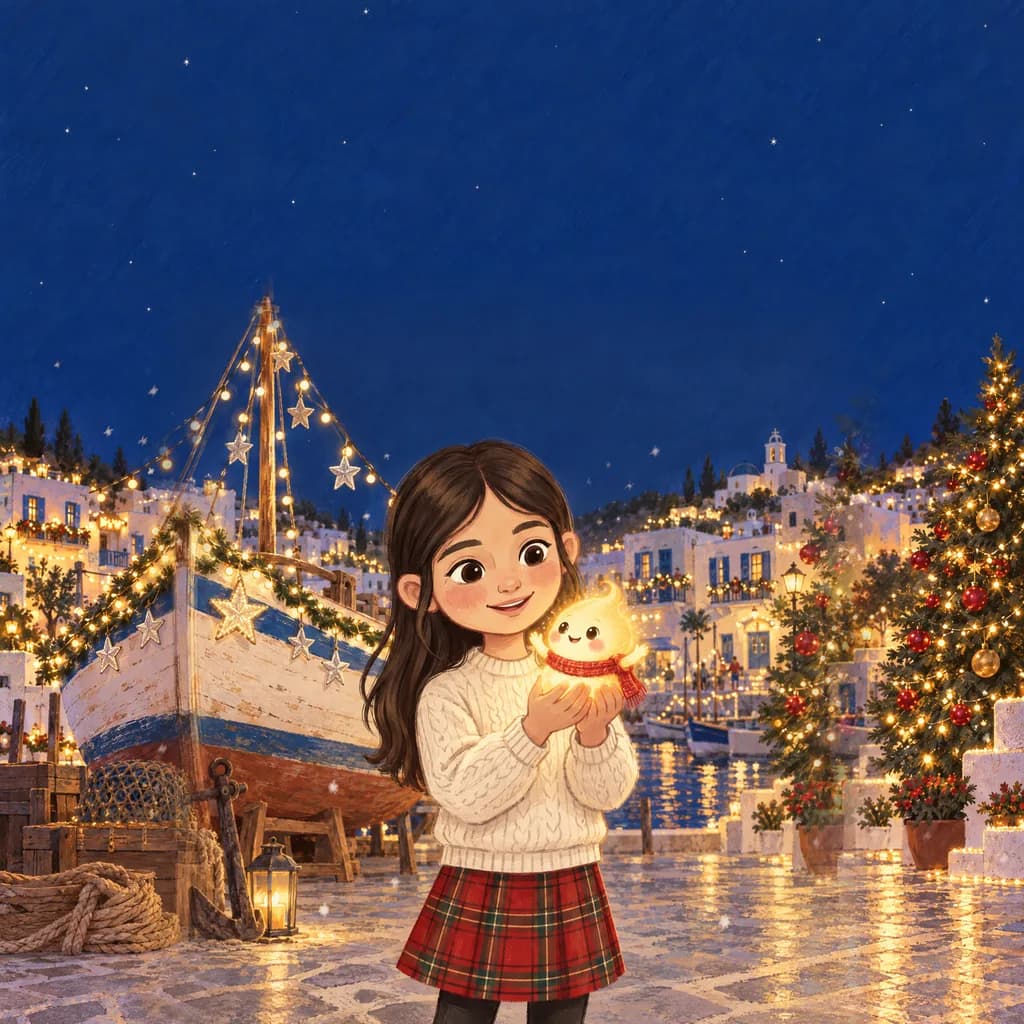
Storybook gouache
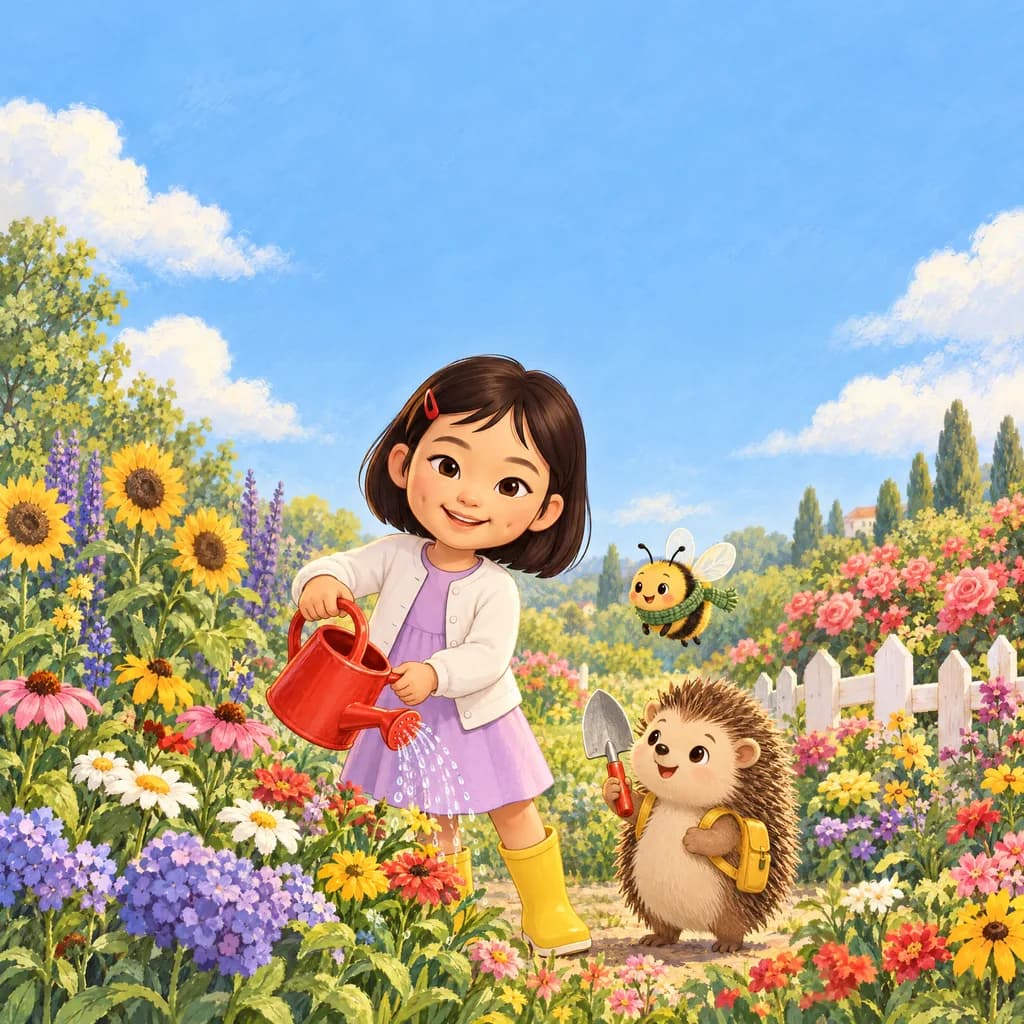
AvailableMatte, hand-painted colours with visible brush texture and soft edges, like a classic picture book.
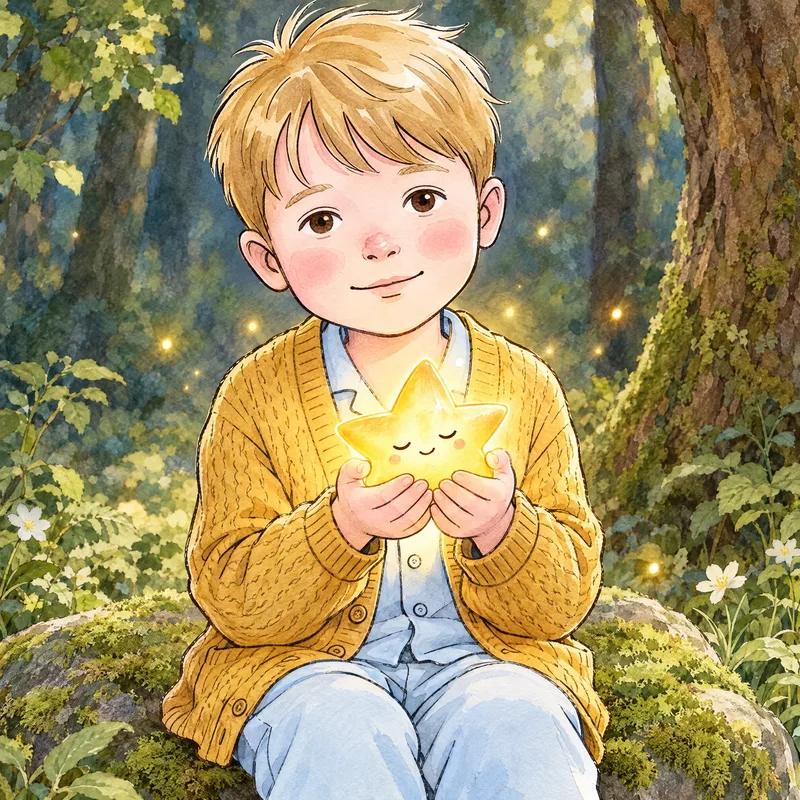
Watercolour
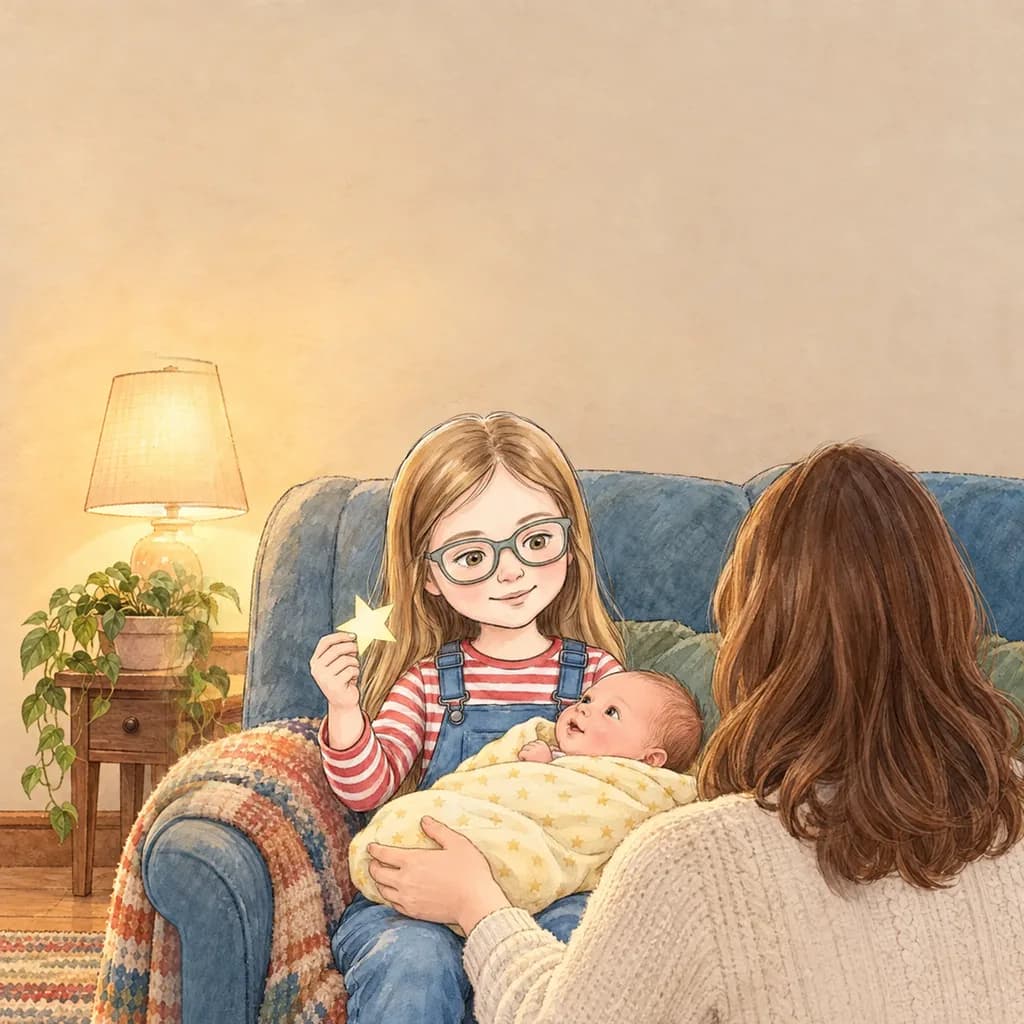
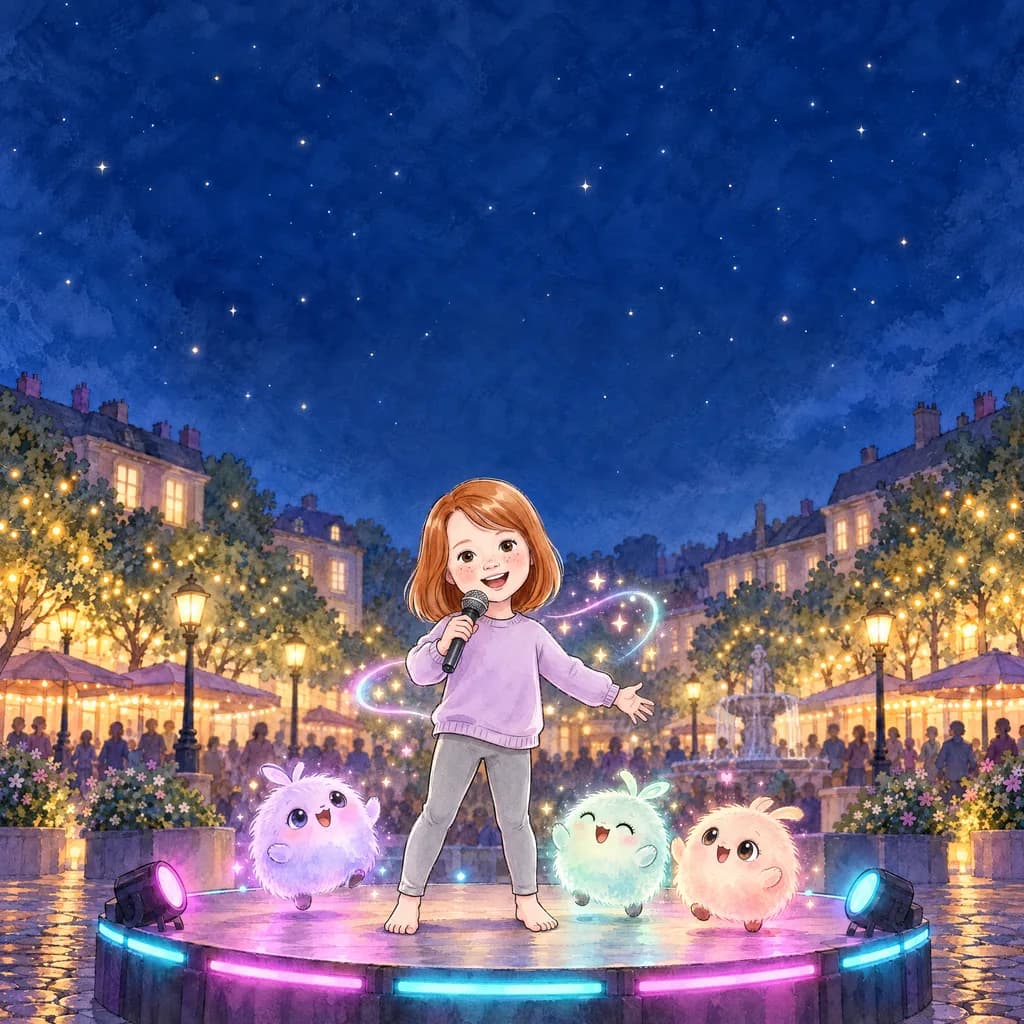
AvailableLoose, soft washes of colour with fine ink lines and the texture of real paper.
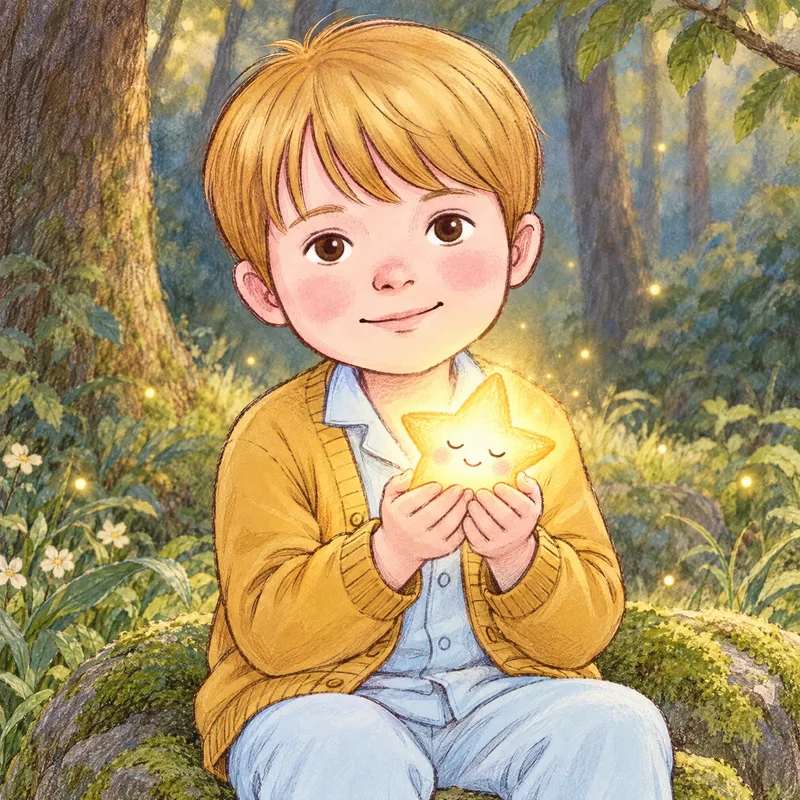
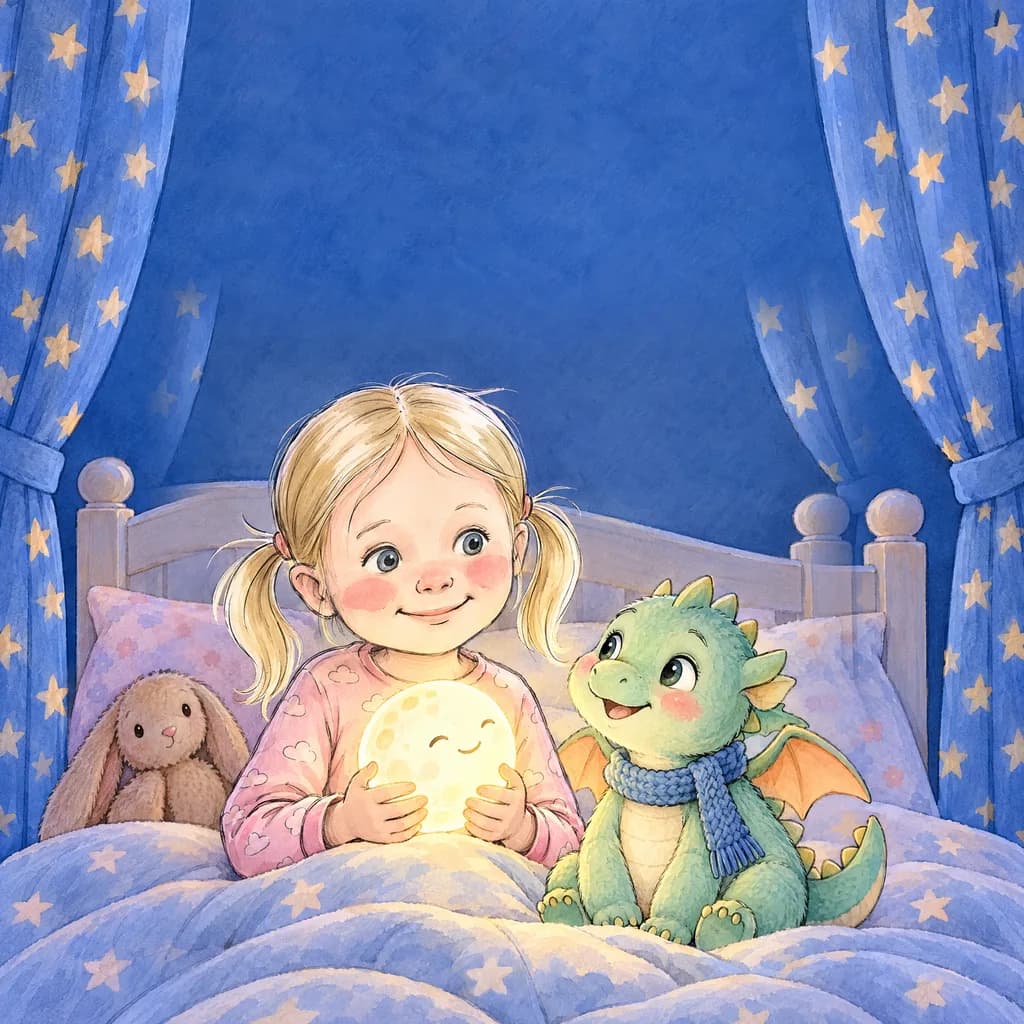
Pencil and watercolour
AvailableColoured pencil over light watercolour washes, warm and drawn by hand.
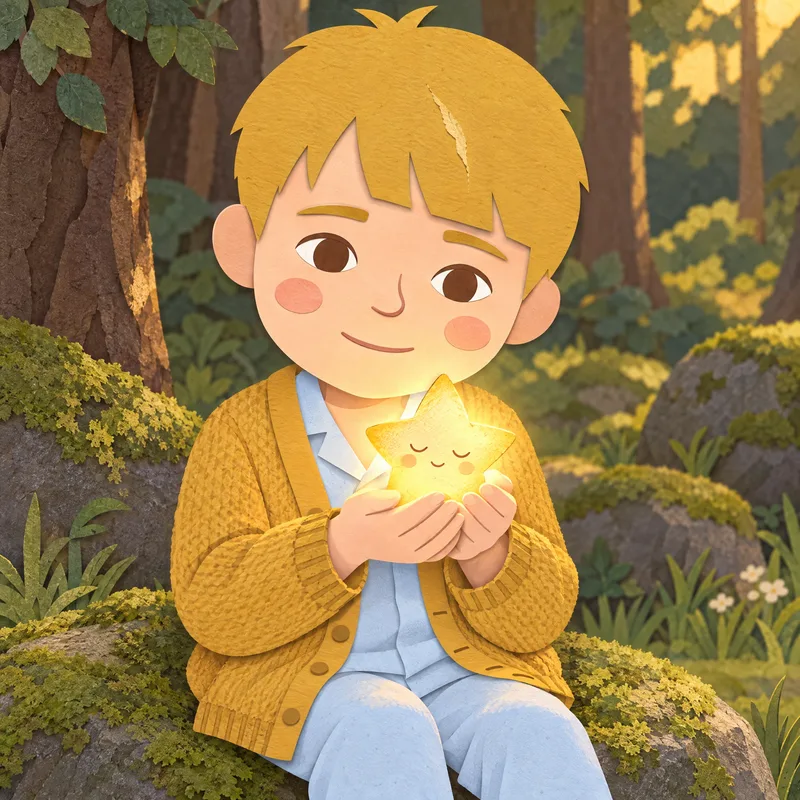
Paper collage
AvailableLayers of cut and torn coloured paper, with grain and edges you can almost touch.
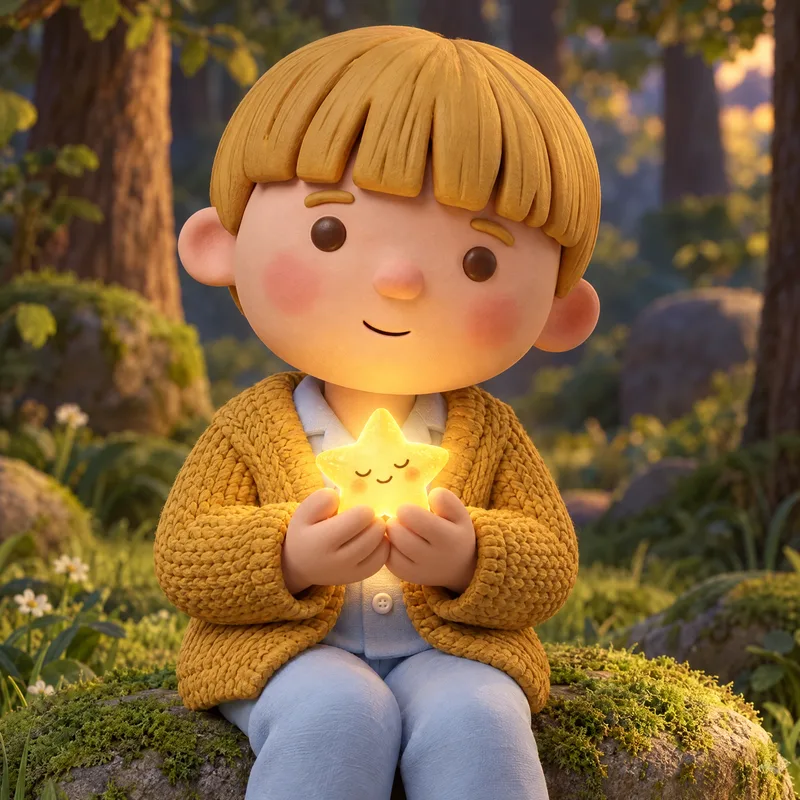
Clay
AvailableSculpted from soft modelling clay, like a handmade stop-motion film.
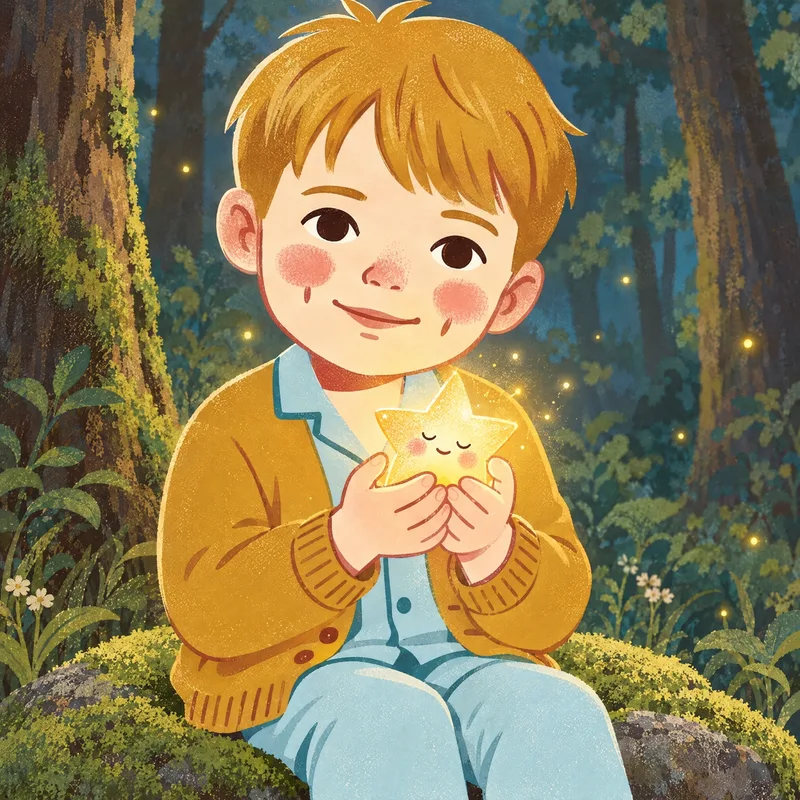
Vintage storybook
AvailableThe look of mid-century picture books: flat shapes, muted colours, a soft printed grain.
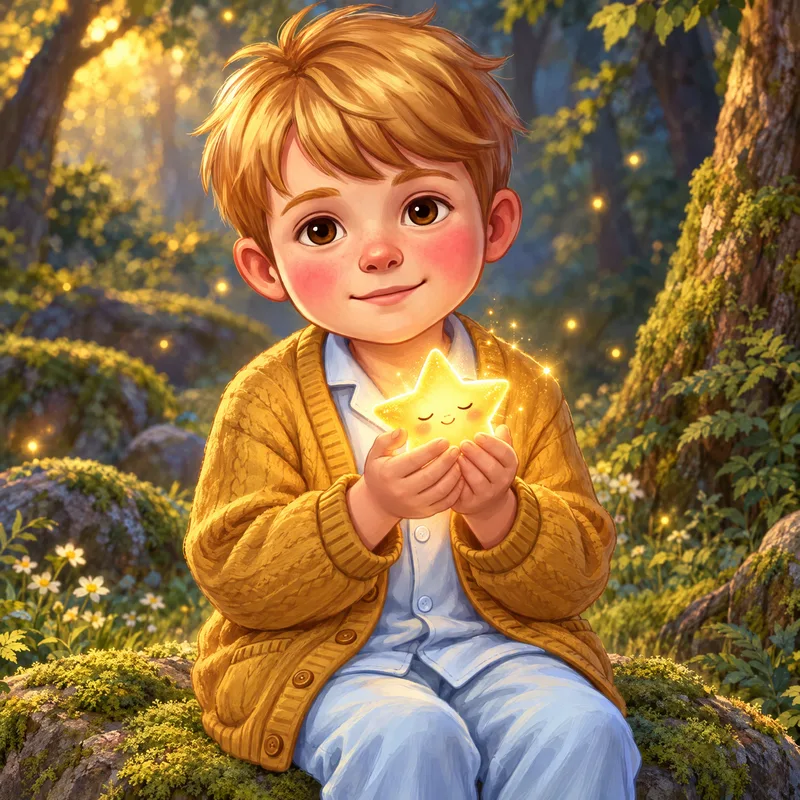
Fantasy painting
AvailableRich, painterly fantasy scenes full of glowing light.
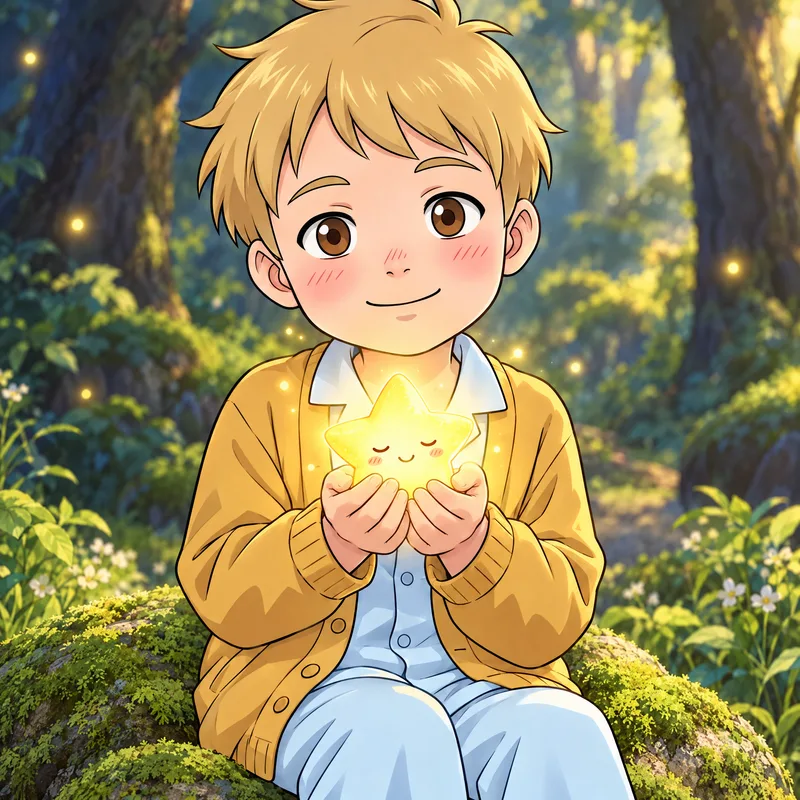
Anime-inspired
AvailableClean line art, cel shading and large, expressive eyes.
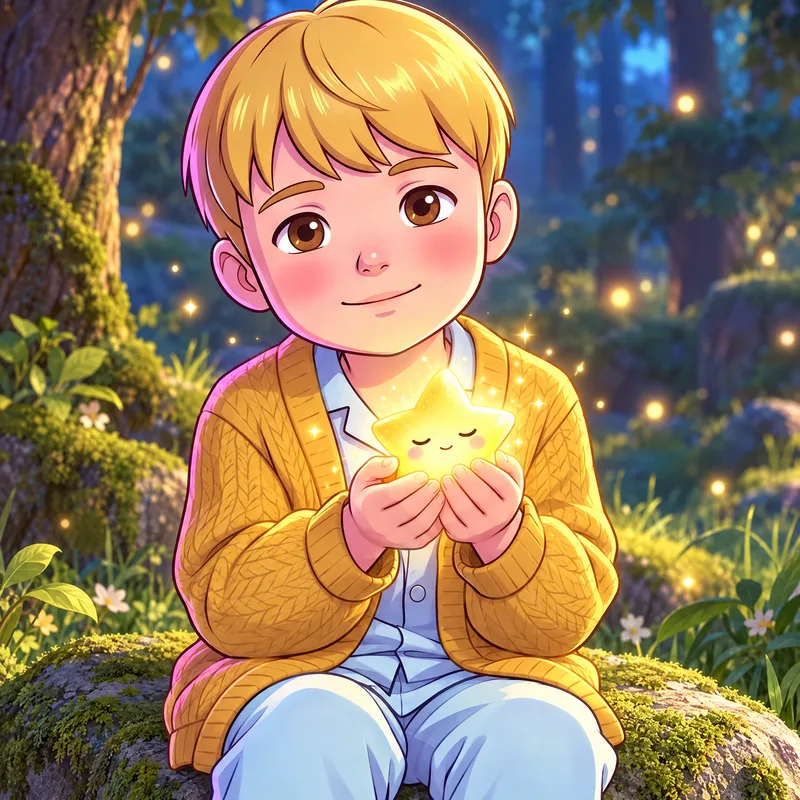
Pop anime 3D
AvailableCel-shaded 3D with big sparkling eyes and bright, glowing colours.
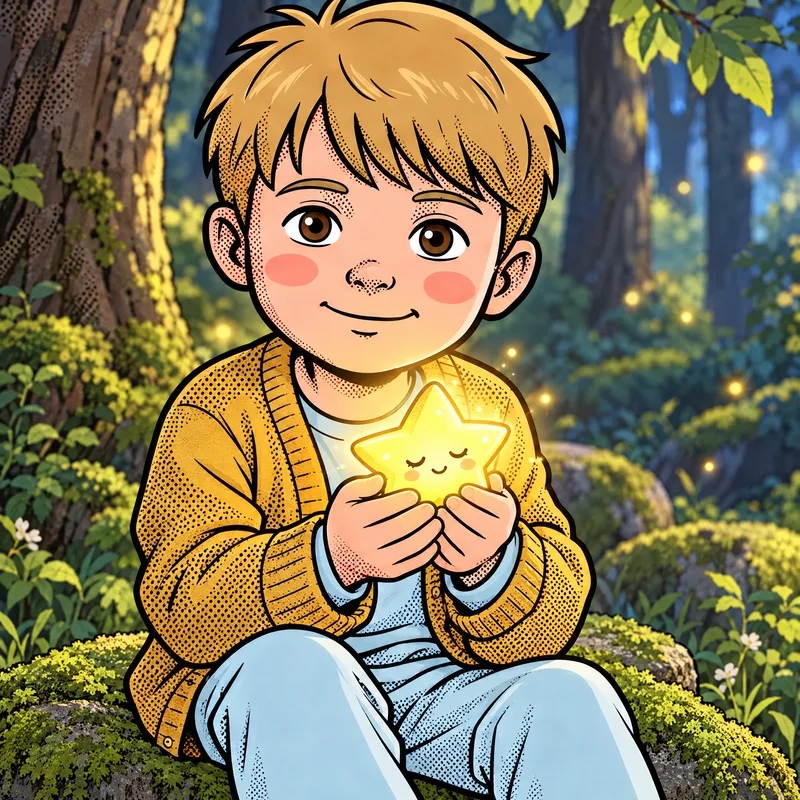
Bold comic
AvailableThick ink lines, flat bright colours, halftone dots and dynamic angles.
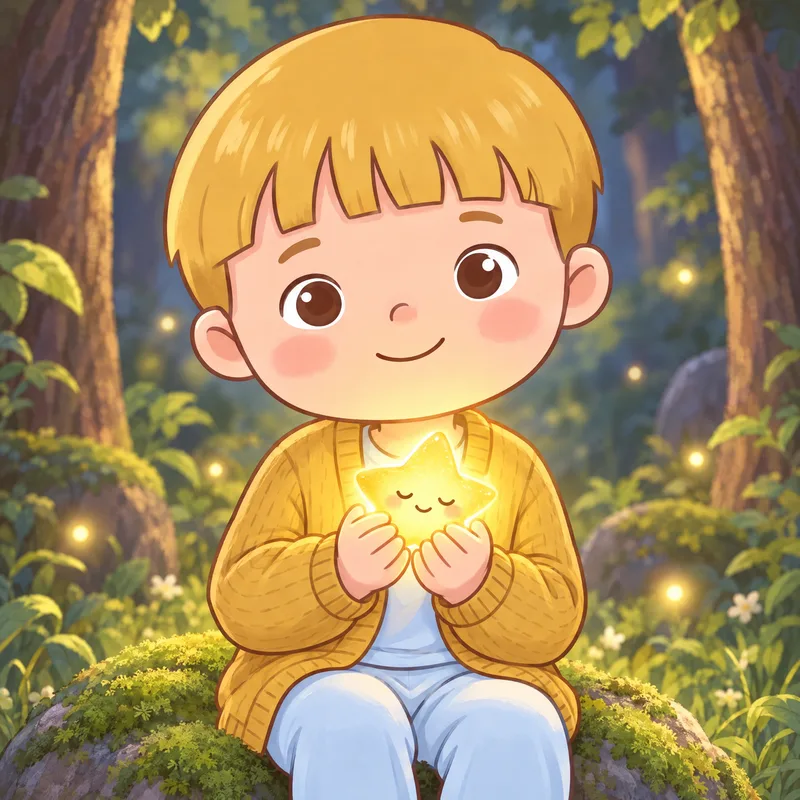
Cute chibi
AvailableTiny bodies, big heads and soft pastel colours.