
Watch the title change here and on every book on the site. It stays in this browser tab only.
The Rescue Pups
Your child leads four puppies and their rescue van. In a snowstorm every alarm rings at once, so they split up, and the tiniest pup saves the day.
This story is still being written. Leave your email and we will write once, when it is ready.
Tell me when it's ready


Helps with
Courage
Courage for little ones: feeling small or scared, and finding the next brave step.
The tool your child practises in the story
Big breath. Brave heart. Small steps.
Teach it with three movements. Big breath: breathe in slowly through the nose while you count to three, then let it out as if you were cooling hot soup. Brave heart: put a flat hand on your heart and say "I can try." Small steps: take one tiny, real step forward. Use it before small challenges, like a new playground, a dark hallway or a first swim, and cheer the step, not the result.
For grown-ups
What this story is about
Little children often feel small: too small to reach, too small to help, too small to be brave. In this story your child leads a team of rescue pups, and when a snowstorm sets off every alarm bell at once, the team has to split up. Each pup helps in its own way, and the tiniest one, scared of a dark gap, saves the day with three steps your child taught her: big breath, brave heart, small steps. Courage is not about being big. It is taking the next small step while you still feel a little scared.
Three ways to talk about it
- Practise the three steps together: a big breath in through the nose, a hand on the heart for "brave heart", then one small step towards the tricky thing.
- Notice what your child is good at, like the pups: strong, fast, clever, small enough to fit. In every family and every class, everyone helps in their own way.
- Make brave things smaller: not "go to the party" but "walk to the door with me", then "say hello", one small step at a time.
Three questions to ask
- Why did the team have to split up when all four bells rang?
- Pip was scared of the dark gap. What helped her go in?
- When did something feel too big for you? What small step could you take next time?
Practise the tool together: Big breath. Brave heart. Small steps.
Teach it with three movements. Big breath: breathe in slowly through the nose while you count to three, then let it out as if you were cooling hot soup. Brave heart: put a flat hand on your heart and say "I can try." Small steps: take one tiny, real step forward. Use it before small challenges, like a new playground, a dark hallway or a first swim, and cheer the step, not the result.
If your child's fears are very strong, last for weeks, or keep them from playing, sleeping or going to nursery, it is worth talking to your paediatrician or a child psychologist.
The styles it will be drawn in
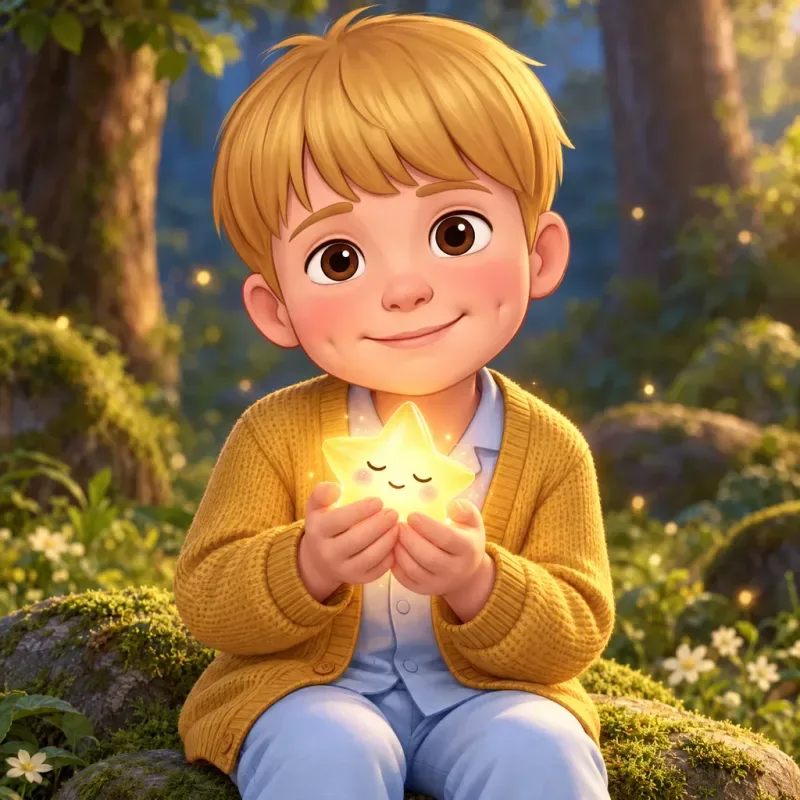
Soft 3D
AvailableRounded, softly lit 3D characters with big expressive eyes. Faces stay recognisable: hair, glasses, smile.
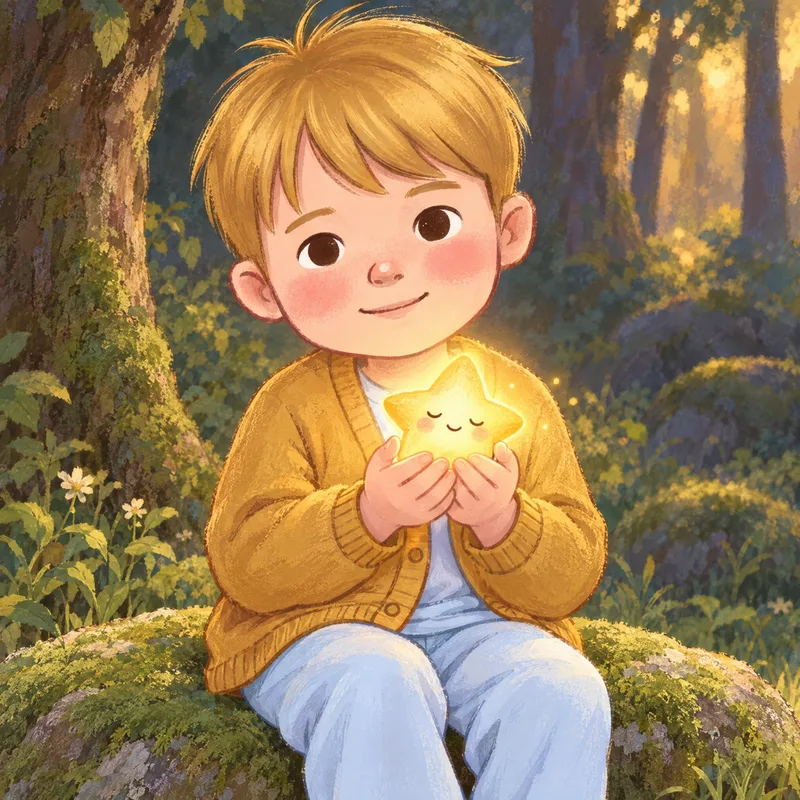
Storybook gouache
AvailableMatte, hand-painted colours with visible brush texture and soft edges, like a classic picture book.
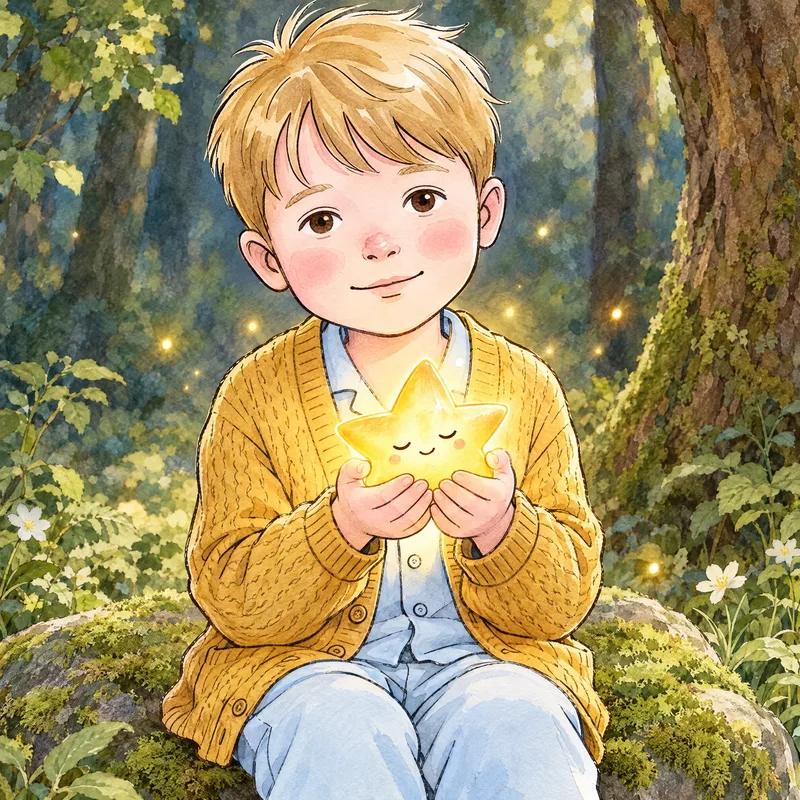
Watercolour
AvailableLoose, soft washes of colour with fine ink lines and the texture of real paper.
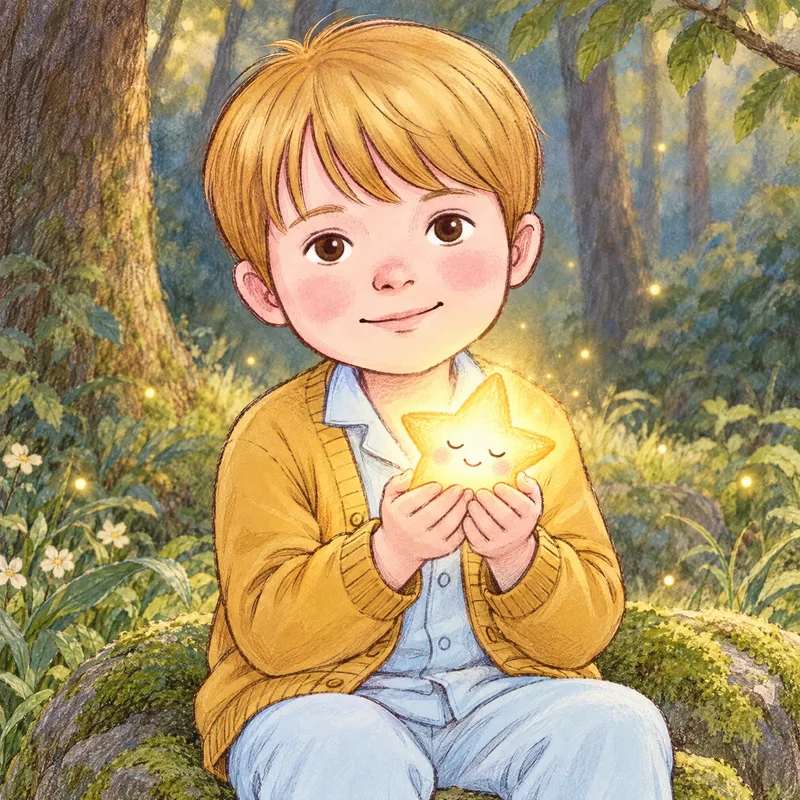
Pencil and watercolour
AvailableColoured pencil over light watercolour washes, warm and drawn by hand.
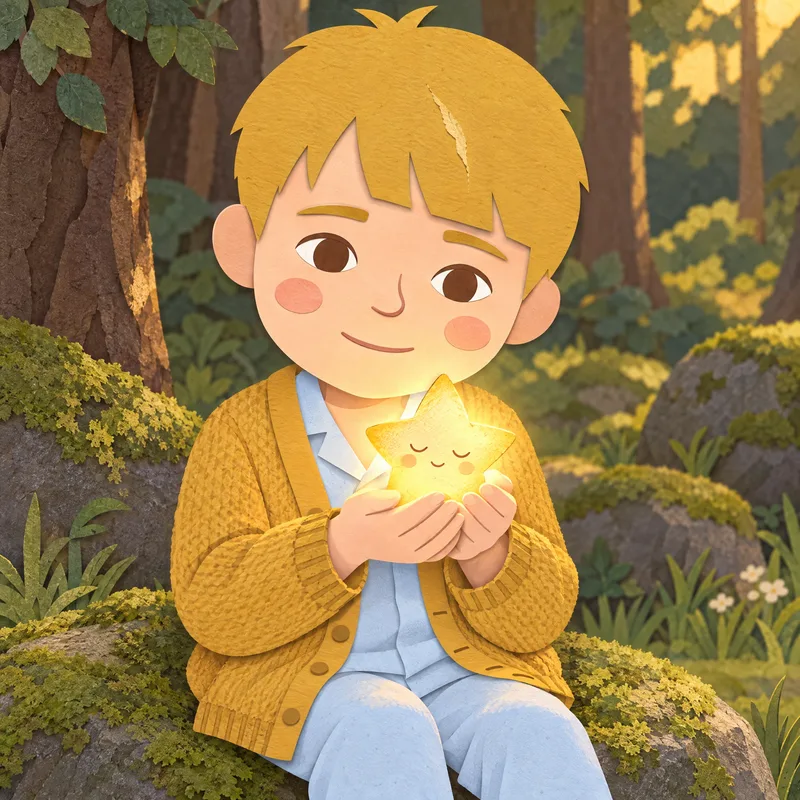
Paper collage
AvailableLayers of cut and torn coloured paper, with grain and edges you can almost touch.
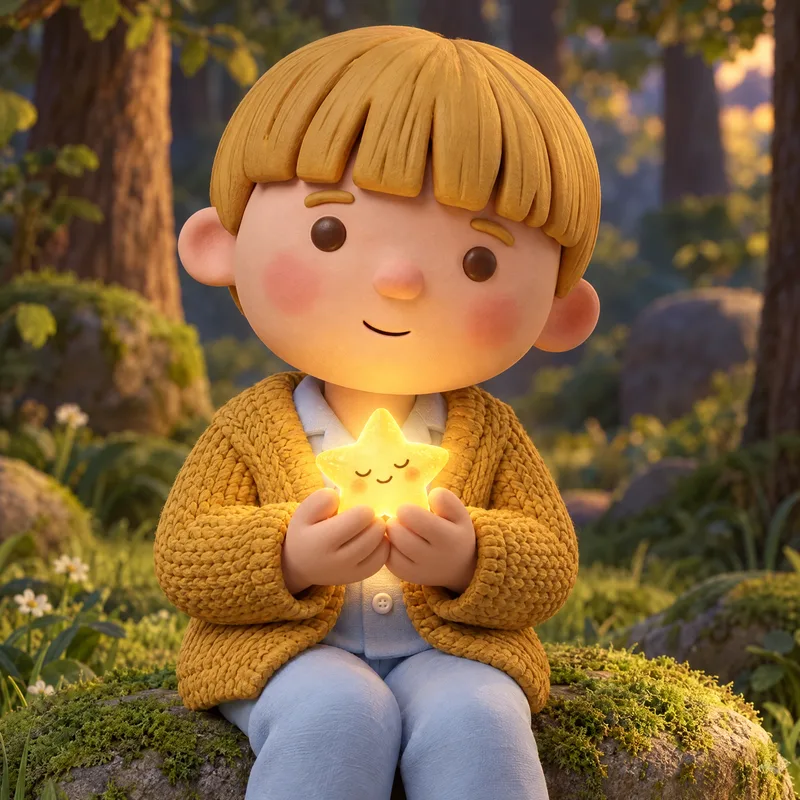
Clay
AvailableSculpted from soft modelling clay, like a handmade stop-motion film.
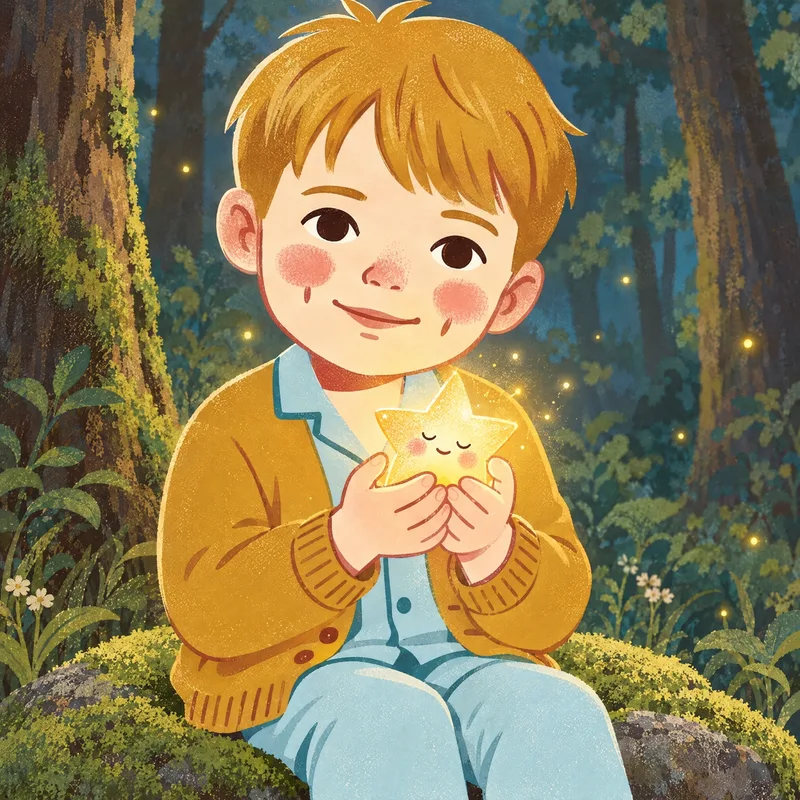
Vintage storybook
AvailableThe look of mid-century picture books: flat shapes, muted colours, a soft printed grain.
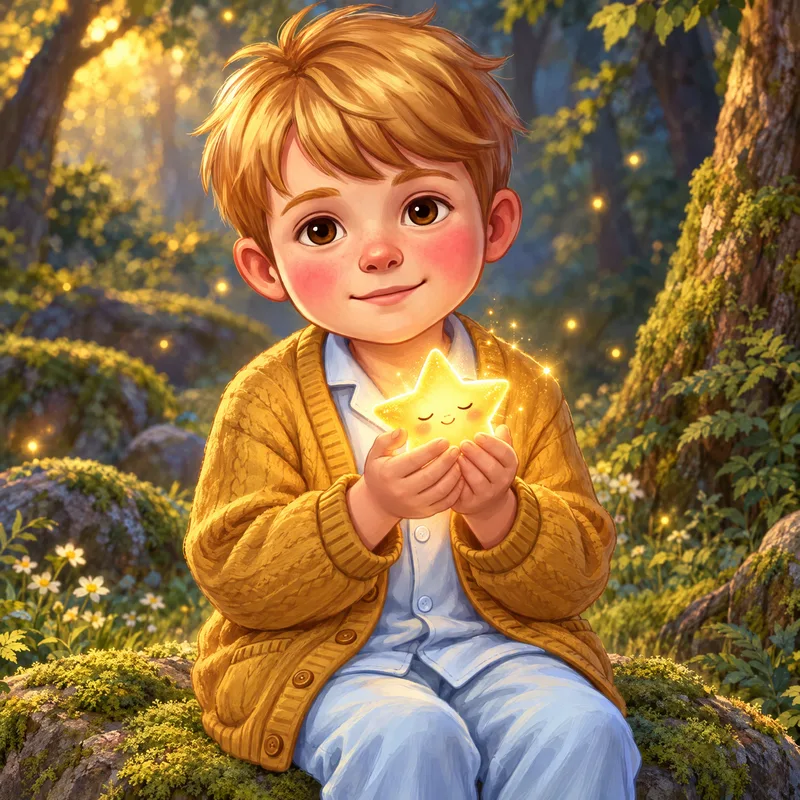
Fantasy painting
AvailableRich, painterly fantasy scenes full of glowing light.
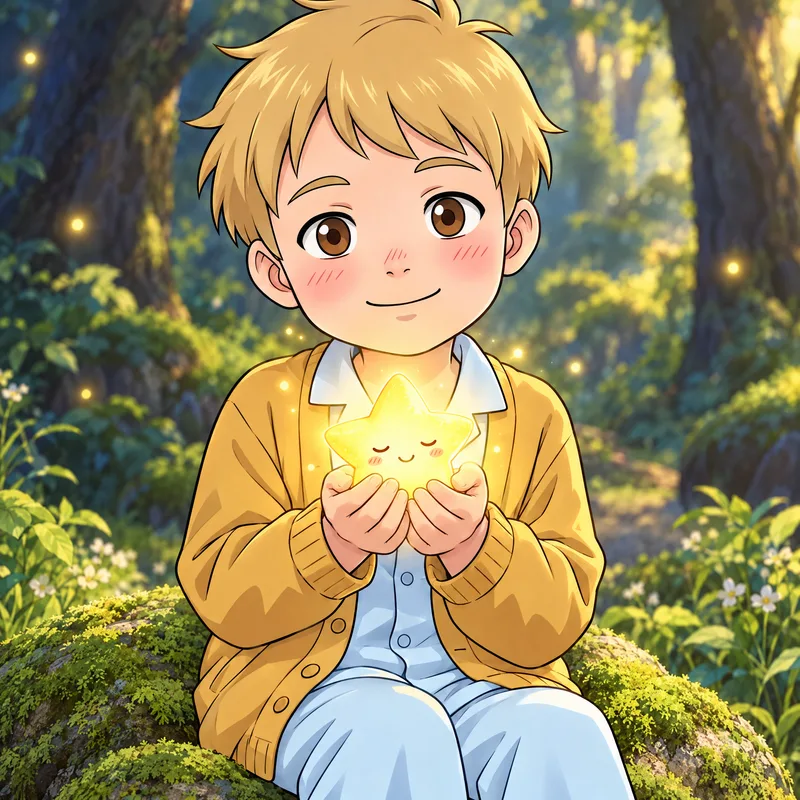
Anime-inspired
AvailableClean line art, cel shading and large, expressive eyes.
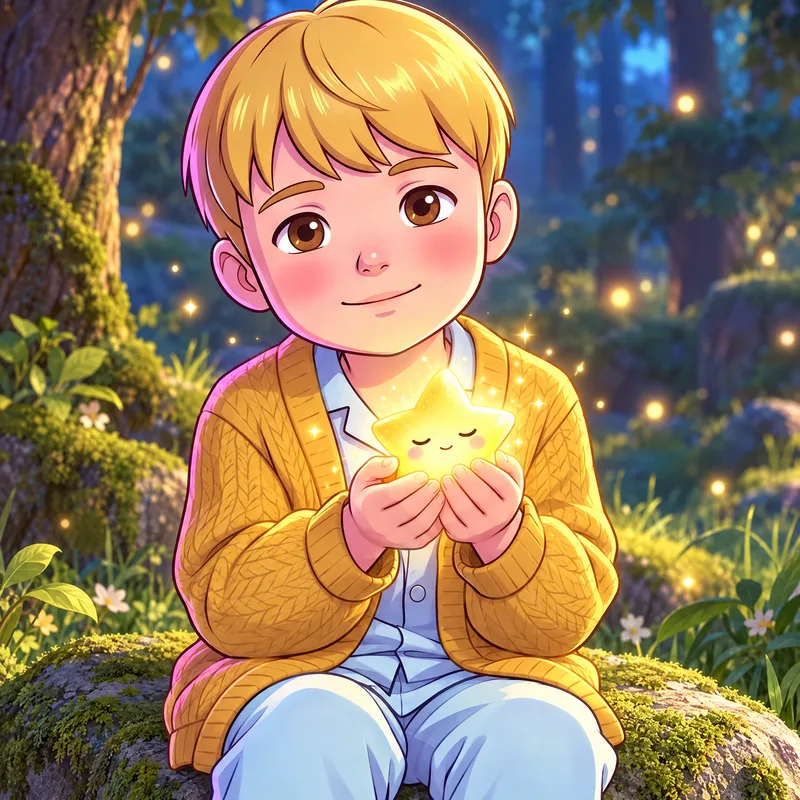
Pop anime 3D
AvailableCel-shaded 3D with big sparkling eyes and bright, glowing colours.
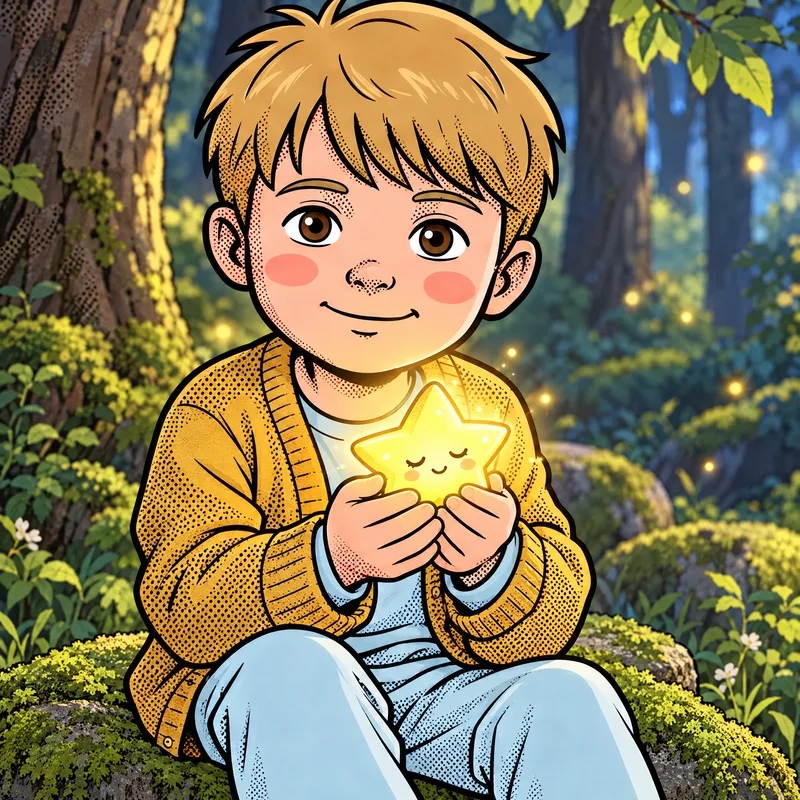
Bold comic
AvailableThick ink lines, flat bright colours, halftone dots and dynamic angles.
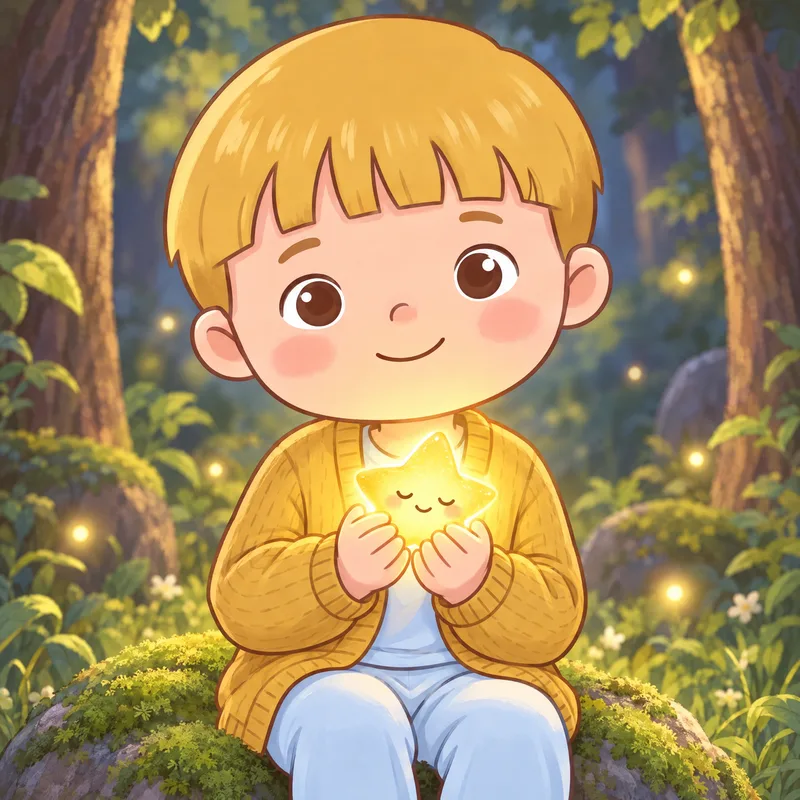
Cute chibi
AvailableTiny bodies, big heads and soft pastel colours.