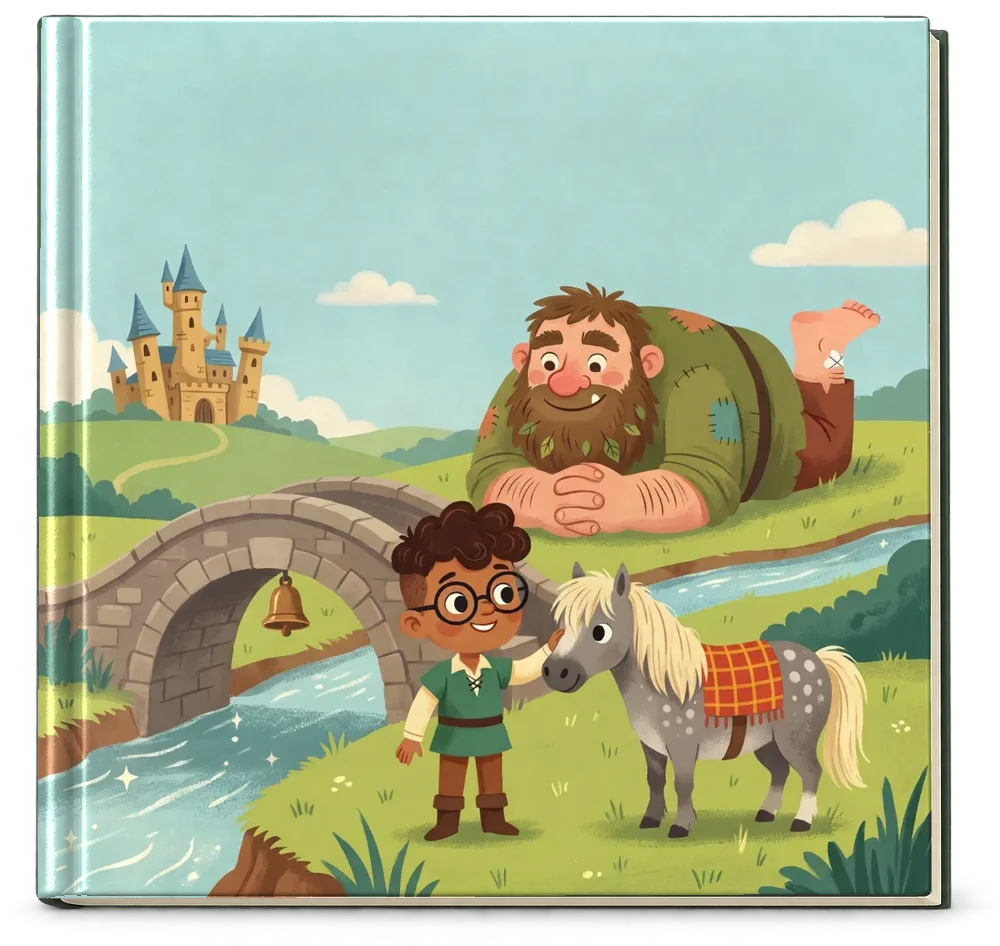
Watch the title change here and on every book on the site. It stays in this browser tab only.
The Gentle Knight
A grumpy giant blocks the bridge, and your child wins without a sword: stop, look, help.
This story is still being written. Leave your email and we will write once, when it is ready.
Tell me when it's ready

Helps with
Kindness
Kindness and courage: noticing when someone is hurting, and finding the brave way to help.
The tool your child practises in the story
Stop. Look. Help.
Teach the three words with three hand signs. Stop: hold up a flat hand like a little wall and take one slow breath. Look: put a hand above your eyes and notice the other person's face, hands and body. What might they be feeling? Help: hold out an open hand and ask "Can I help?", or fetch a grown-up. Practise at home with a teddy that has a "thorn", then cheer when your child uses the promise out in the world.
For grown-ups
What this story is about
Children hear a lot about being brave: being strong, being fast, winning. This story shows another kind of courage. When a grumpy giant blocks the bridge, everyone wants him chased away, and your child is expected to do it. Instead, your child uses a knight's promise of three words, stops, looks properly, and sees that the giant is hurting and lonely. Then your child asks everyone to help. Being kind when everyone else is shouting takes real bravery, and children can practise it every day.
Three ways to talk about it
- Practise the three words with their hand signs on small things: a friend who has fallen over, a toy a little sibling cannot reach, a grandparent carrying heavy bags.
- Talk about "grumpy" behaviour: "Sometimes people are cross because something hurts or they feel left out. What might be going on for them?"
- Make it clear that helping can also mean fetching a grown-up you trust, and that this is a brave and clever way to help.
Three questions to ask
- Why was the giant shouting "Go away!"? What did he really need?
- Everyone wanted to chase the giant away. What did the child do instead, and why was that brave?
- Who did you help this week? Who helped you?
Practise the tool together: Stop. Look. Help.
Teach the three words with three hand signs. Stop: hold up a flat hand like a little wall and take one slow breath. Look: put a hand above your eyes and notice the other person's face, hands and body. What might they be feeling? Help: hold out an open hand and ask "Can I help?", or fetch a grown-up. Practise at home with a teddy that has a "thorn", then cheer when your child uses the promise out in the world.
If your child often finds it very hard to notice or care about how others feel, or if fears or anger with other children keep getting in the way of friendships, it is worth talking to your paediatrician or a child psychologist.
Look inside
Twelve illustrated spreads: the picture on the left, the story on the right. These sample pages show an invented child called Hugo.
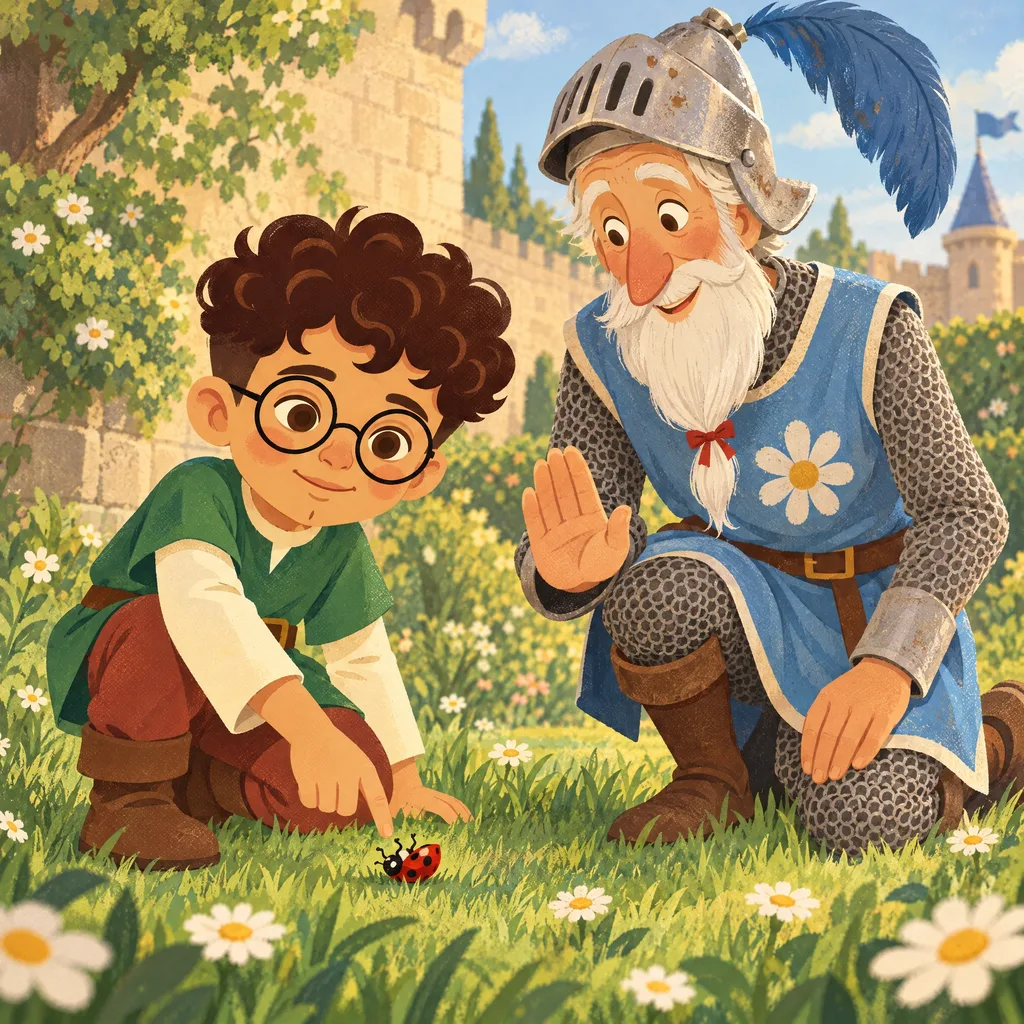
Old Sir Oswin, the gentlest knight in the land, was off to visit his sister over the mountains. "Before I go," he said, "here is a real knight's promise. Just three words. Stop. Look. Help." Just then, a ladybird tumbled onto its back in the grass, tiny legs waving. Hugo stopped. Hugo looked. And Hugo helped it over with one gentle finger. "There," smiled Sir Oswin. "That's how it starts."

Hugo stopped, right there in front of the giant. Then Hugo looked. Not at his big hands or his big beard, but properly, the way Sir Oswin had taught. The giant's eyes were wet. He was holding one enormous foot. And in his heel was a thorn, as long as a carrot. "Oh," said Hugo softly. "You're not angry. You're hurting."

That evening, Sir Oswin came home to find a giant dancing at the fair. "Well, well," he chuckled. "Who did this?" "Hugo did," said Queen Clementine, pushing up her crown. "Without a sword at all." So, in front of everyone, the queen touched Hugo's shoulders with a big yellow daisy. "Rise, Hugo, Gentle Knight of Bramblebury!" The crowd cheered, and Grumbold cheered loudest of all.
Spread 1 of 3
The styles it will be drawn in
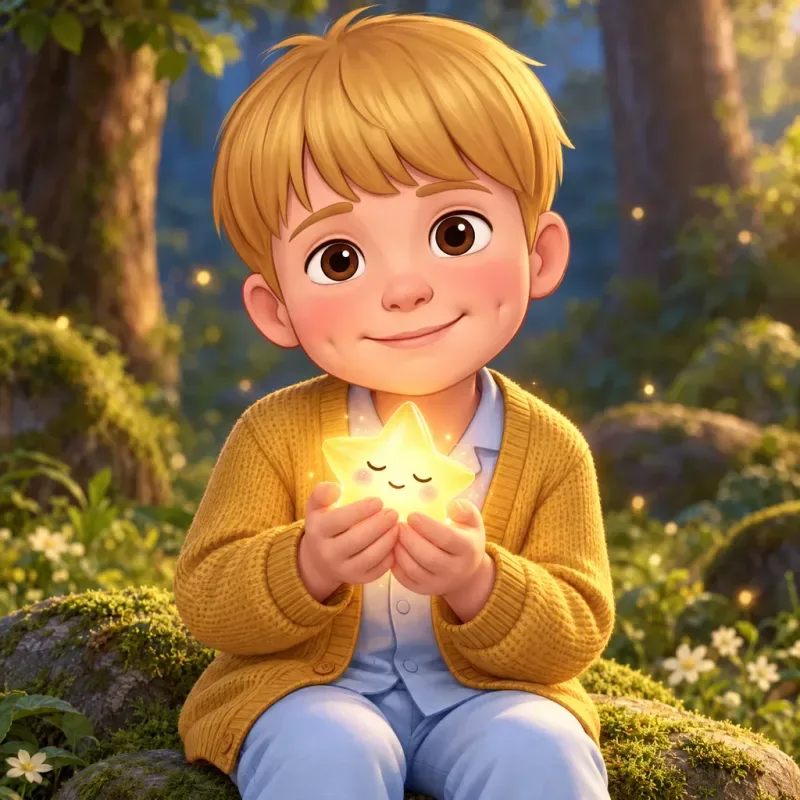
Soft 3D
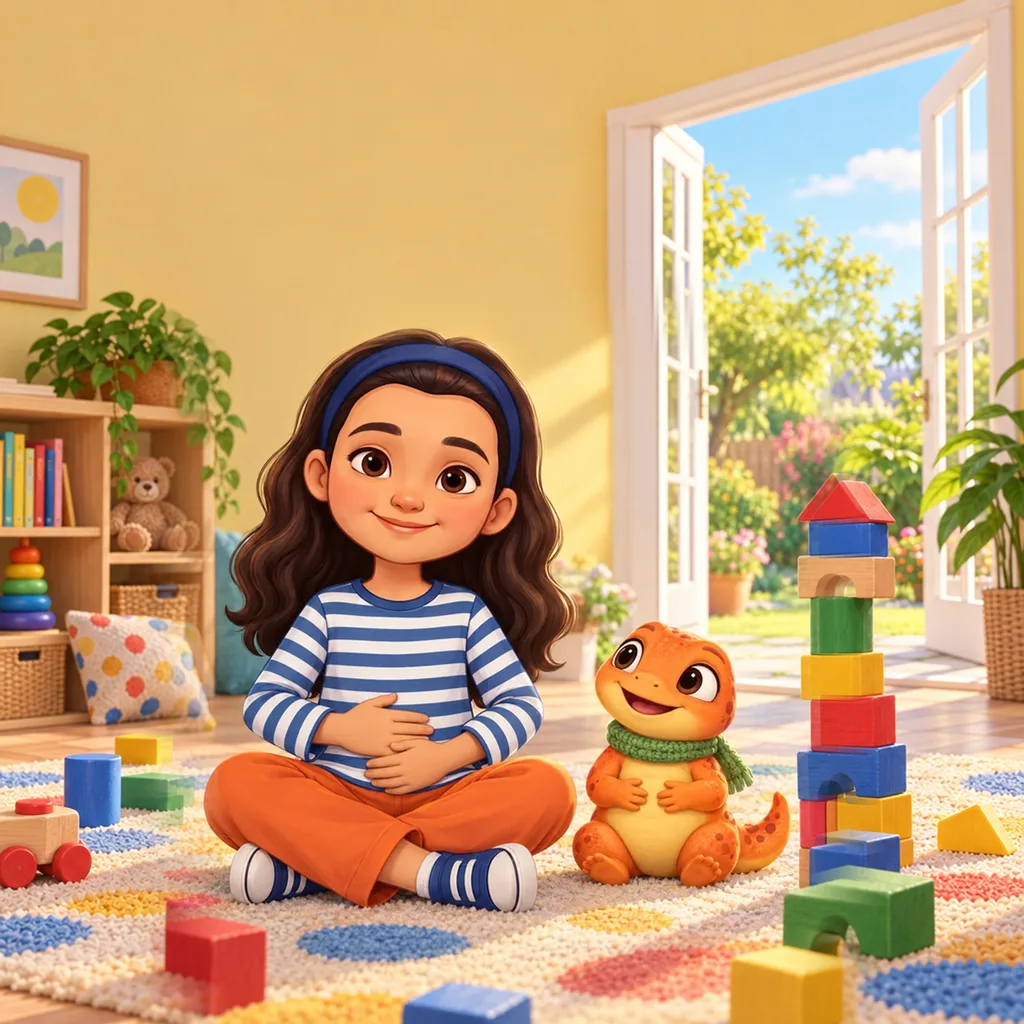
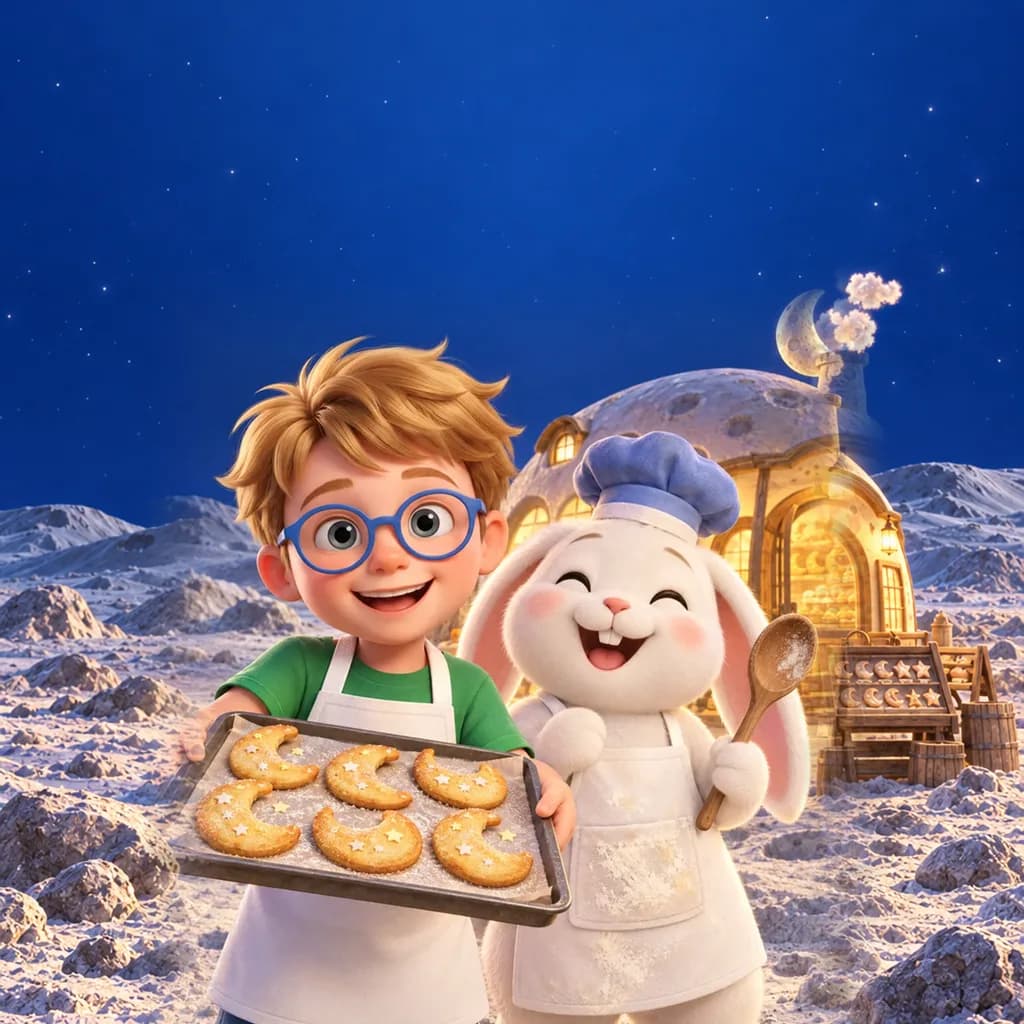
AvailableRounded, softly lit 3D characters with big expressive eyes. Faces stay recognisable: hair, glasses, smile.
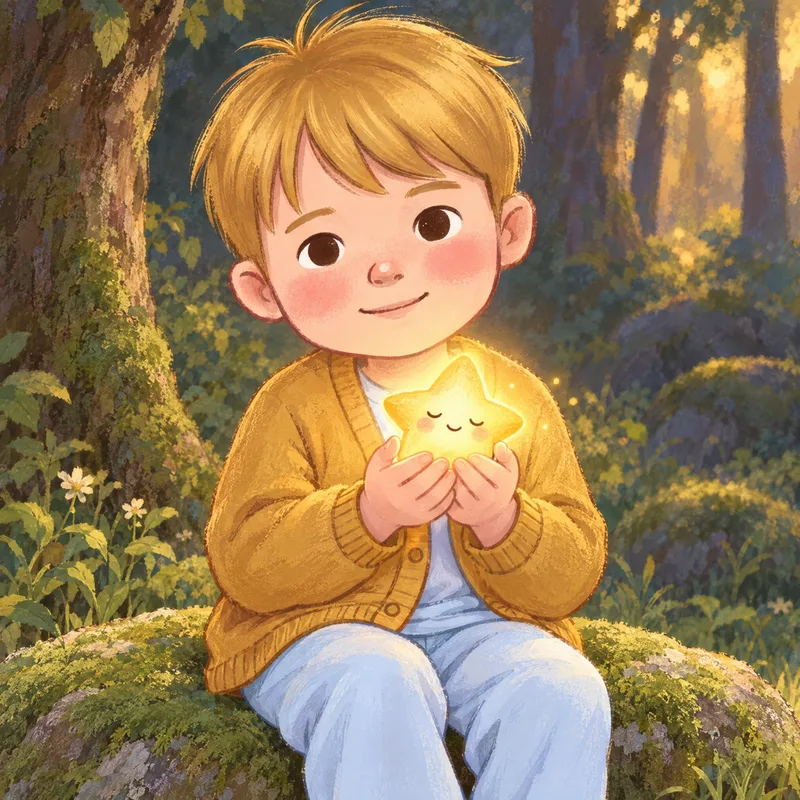
Storybook gouache
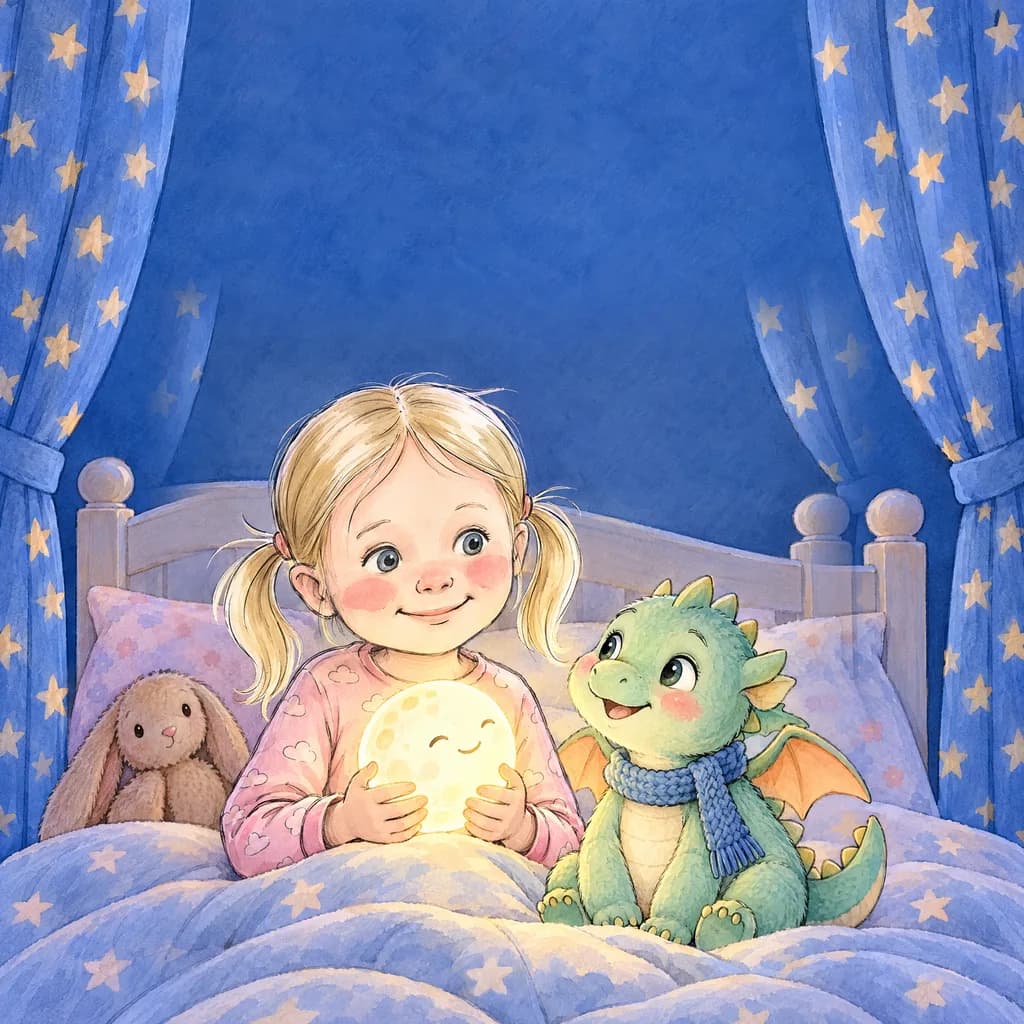
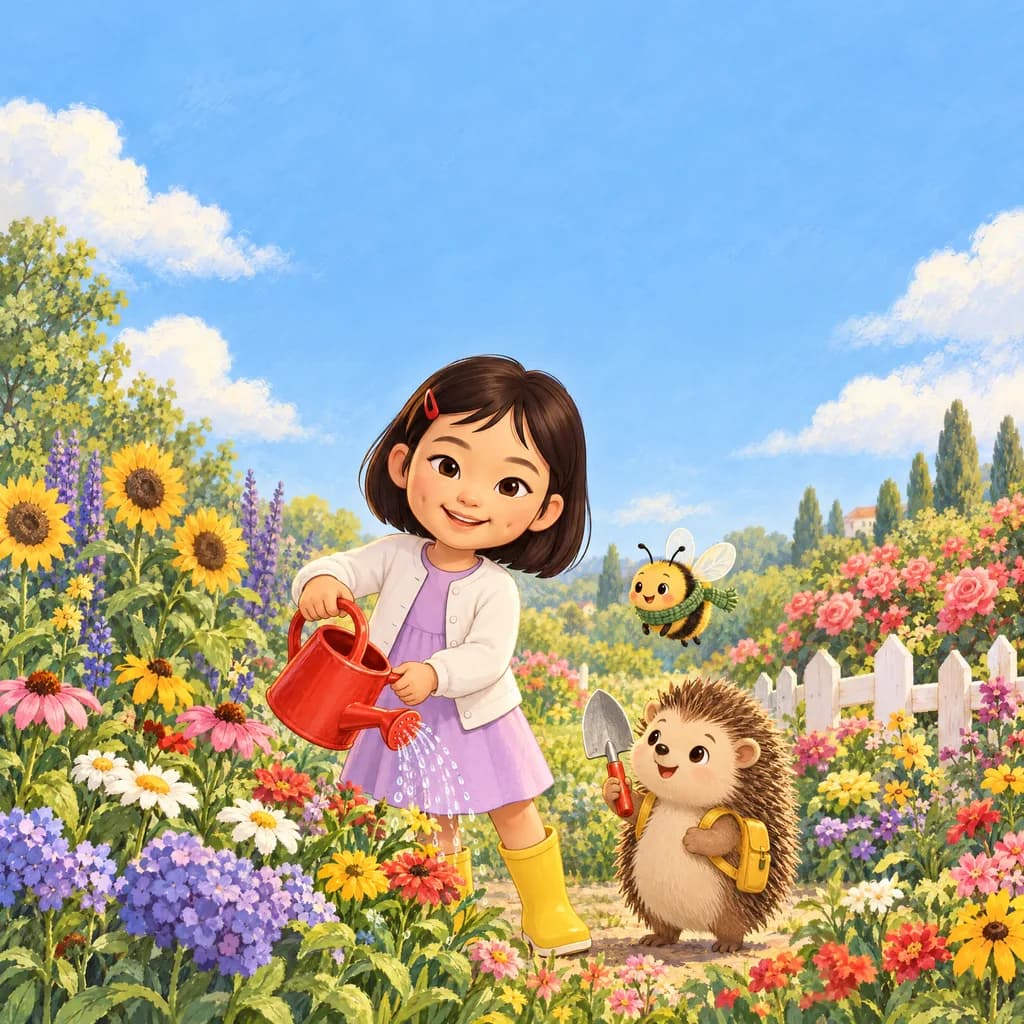
AvailableMatte, hand-painted colours with visible brush texture and soft edges, like a classic picture book.
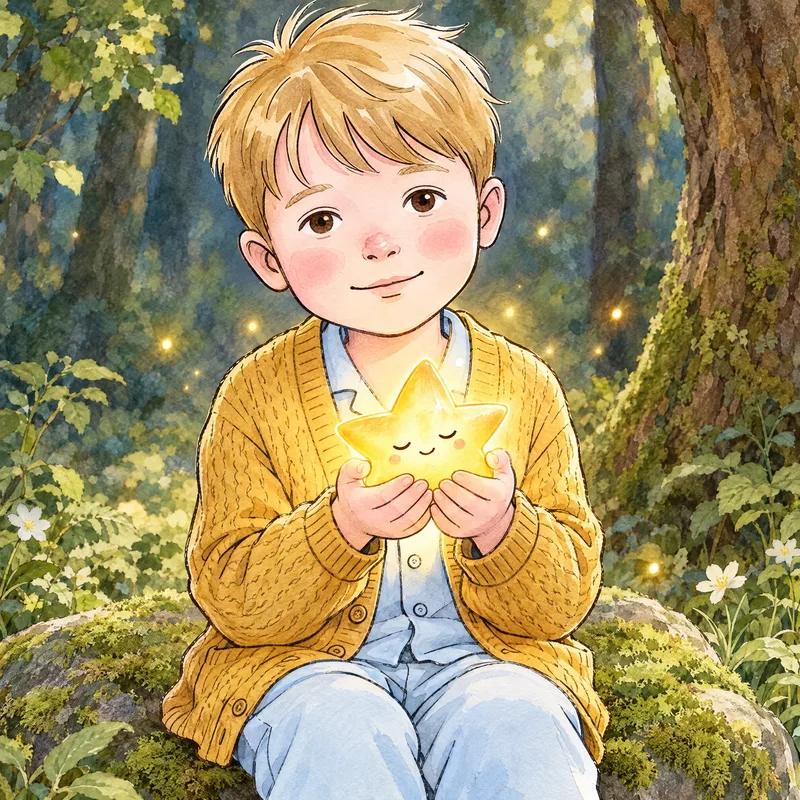
Watercolour
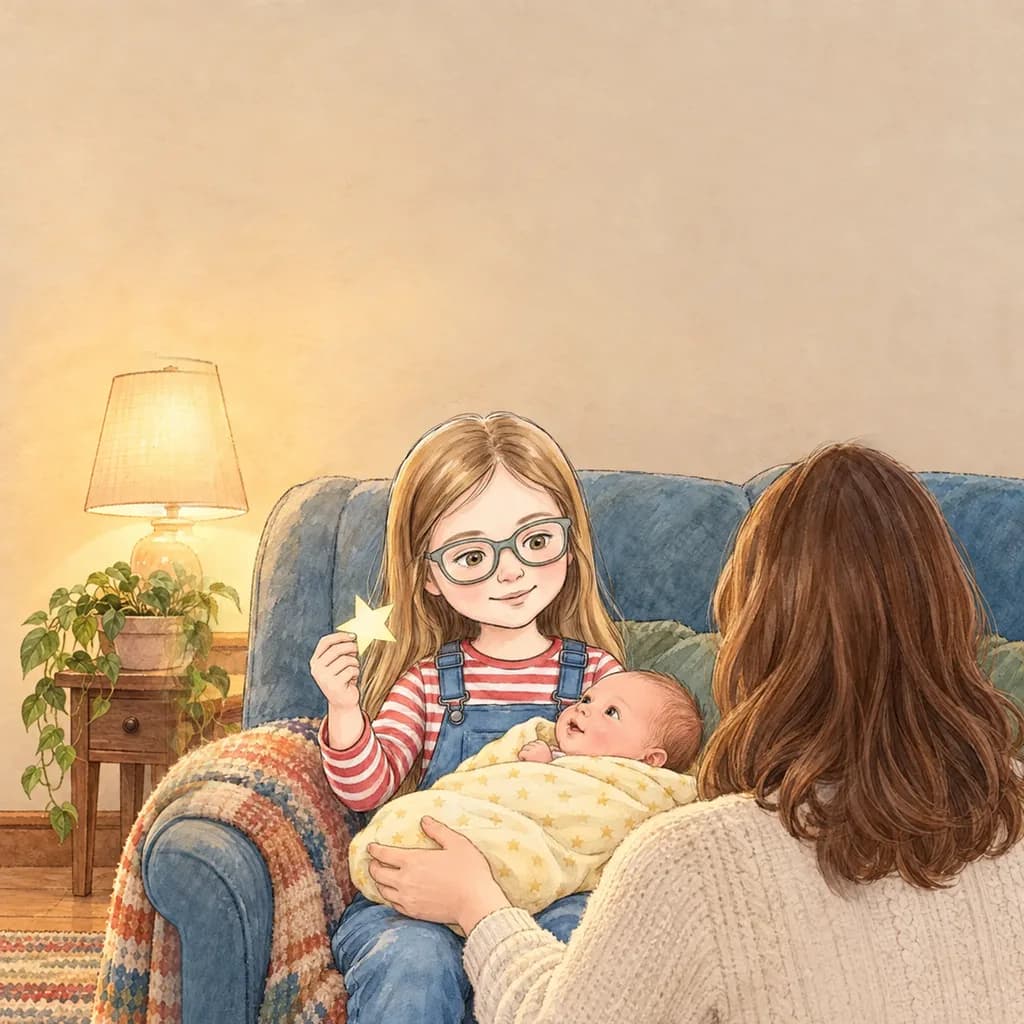
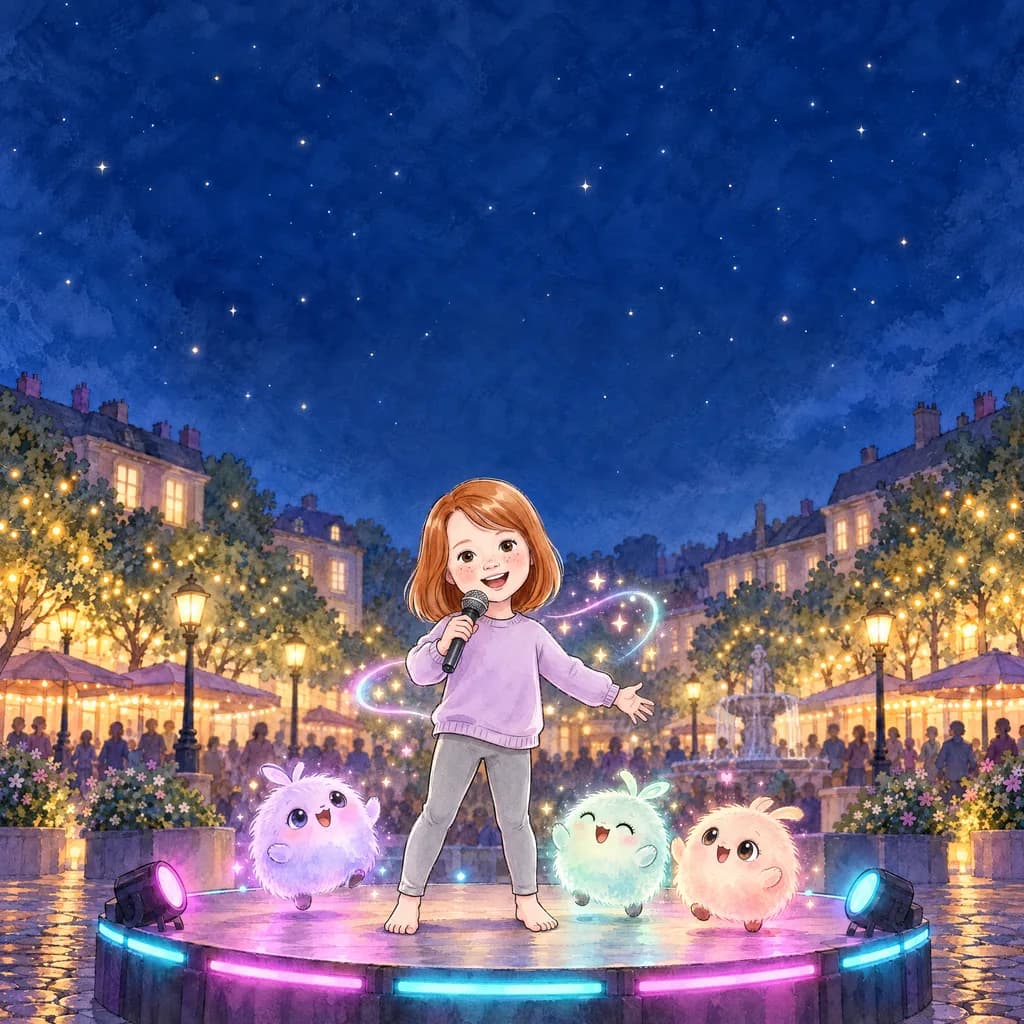
AvailableLoose, soft washes of colour with fine ink lines and the texture of real paper.
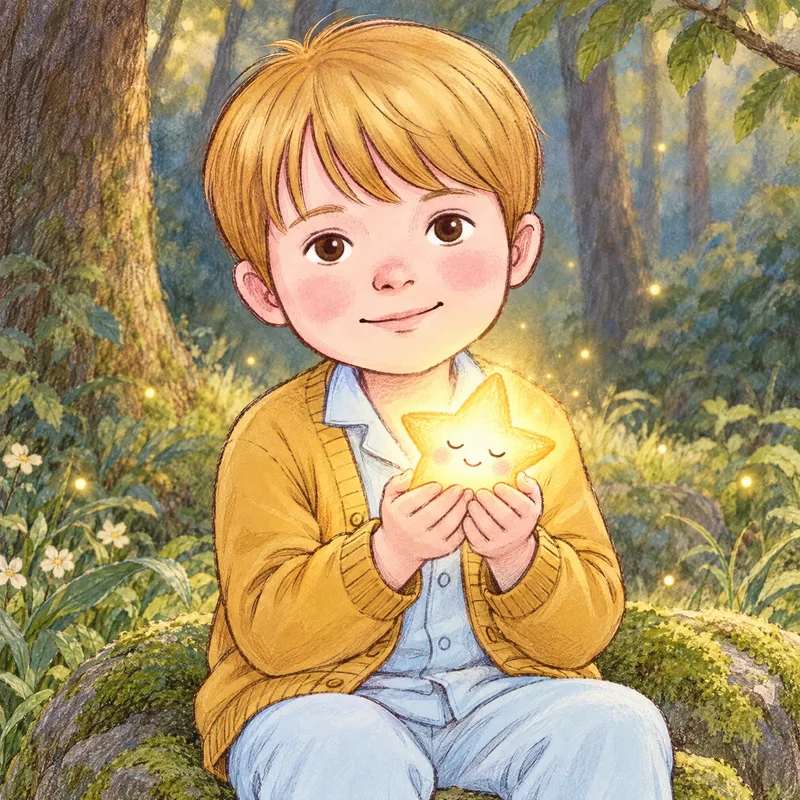
Pencil and watercolour
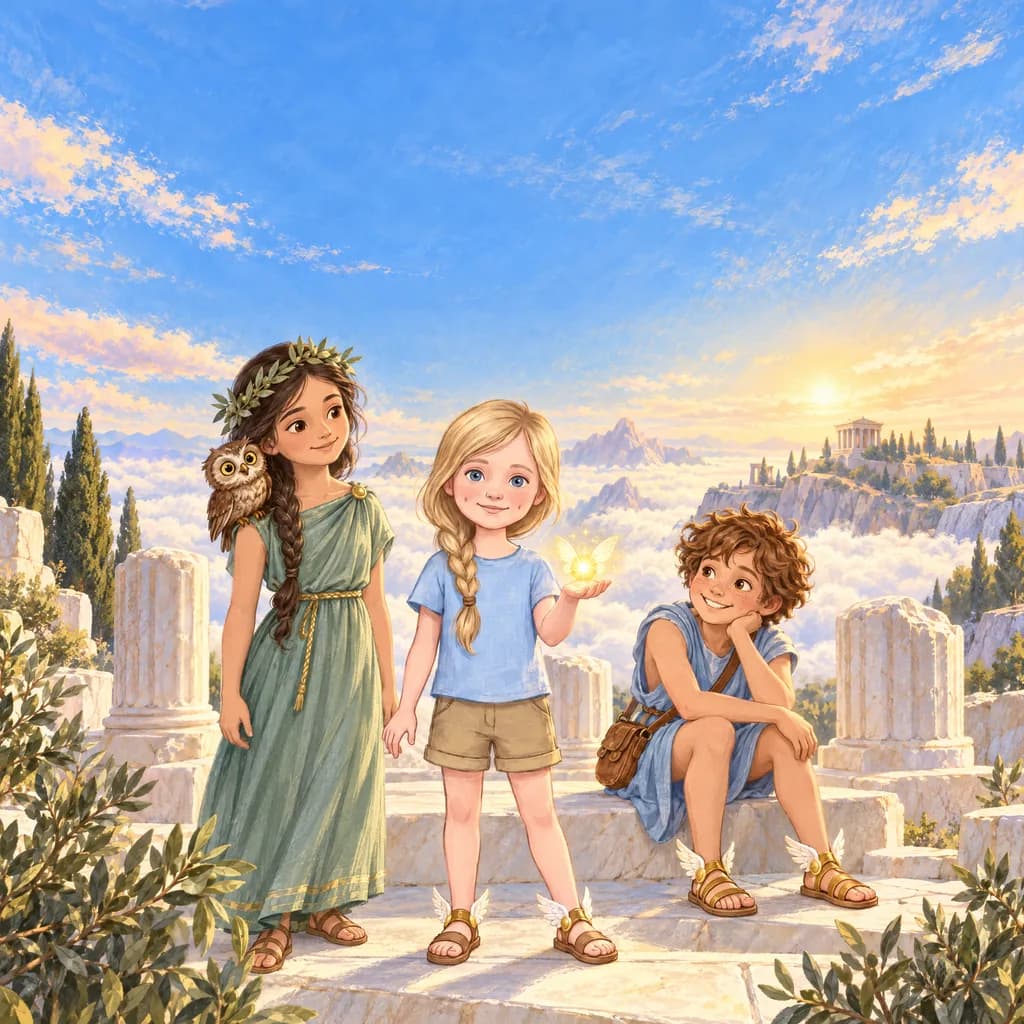
AvailableColoured pencil over light watercolour washes, warm and drawn by hand.
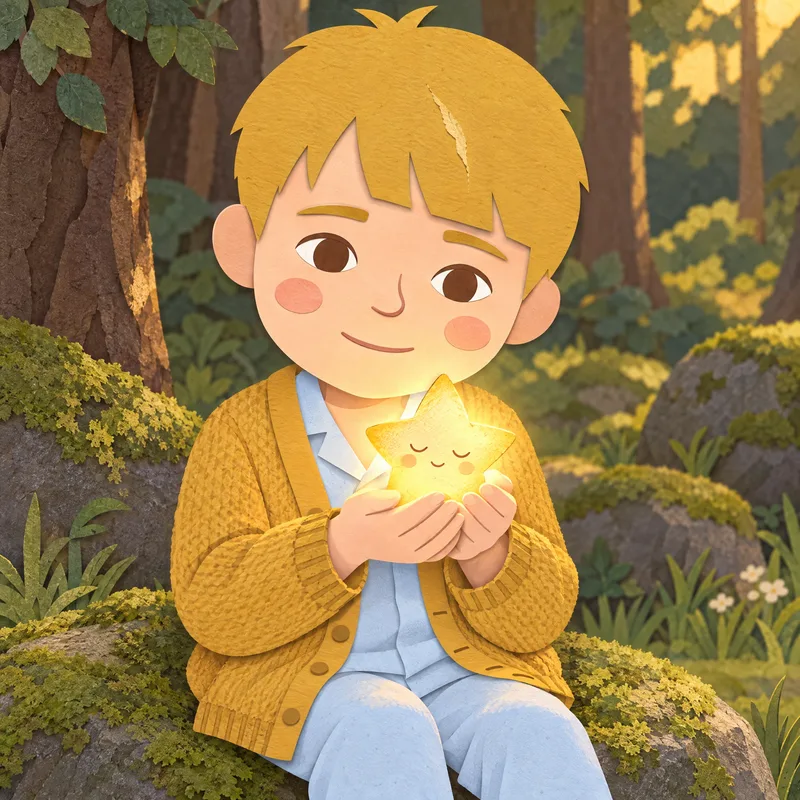
Paper collage
AvailableLayers of cut and torn coloured paper, with grain and edges you can almost touch.
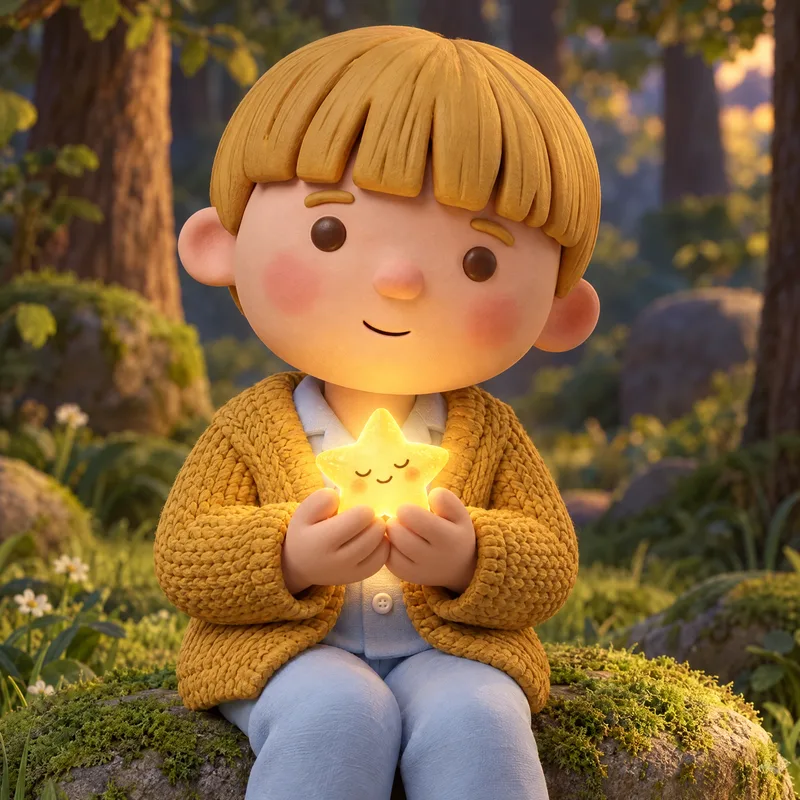
Clay
AvailableSculpted from soft modelling clay, like a handmade stop-motion film.
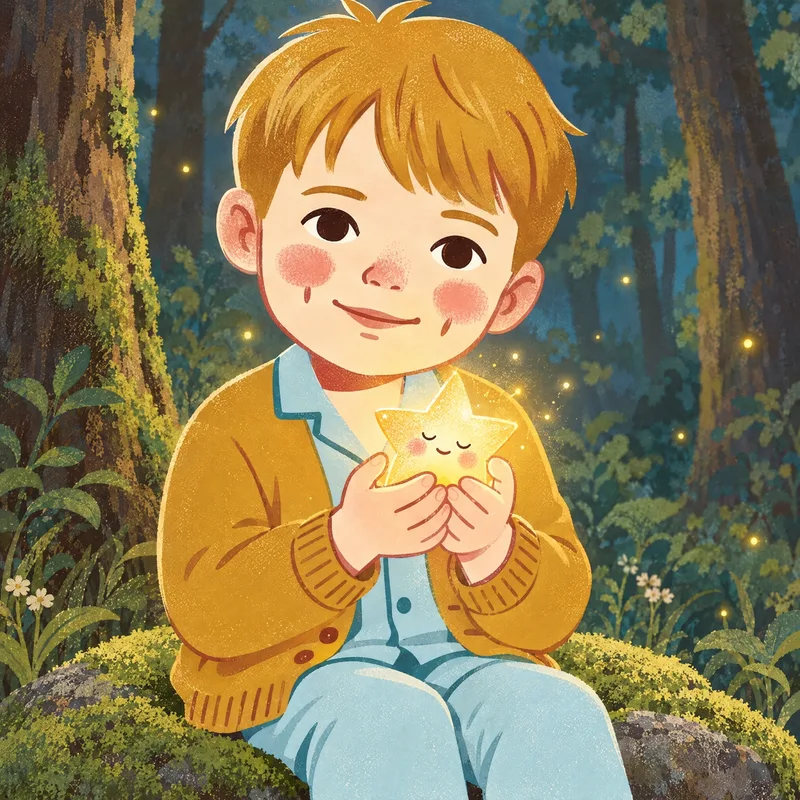
Vintage storybook
AvailableThe look of mid-century picture books: flat shapes, muted colours, a soft printed grain.
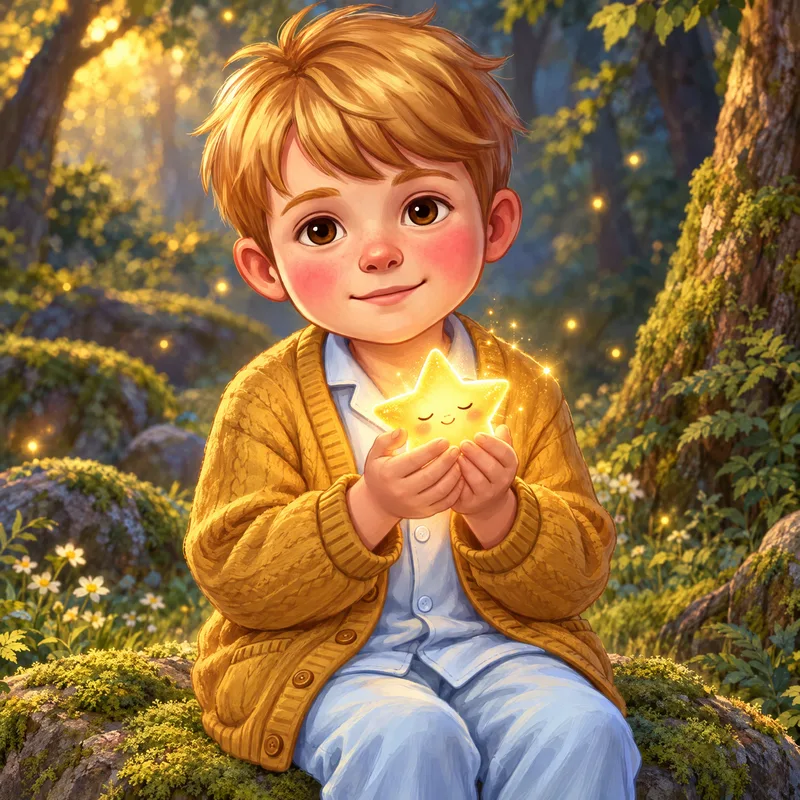
Fantasy painting
AvailableRich, painterly fantasy scenes full of glowing light.
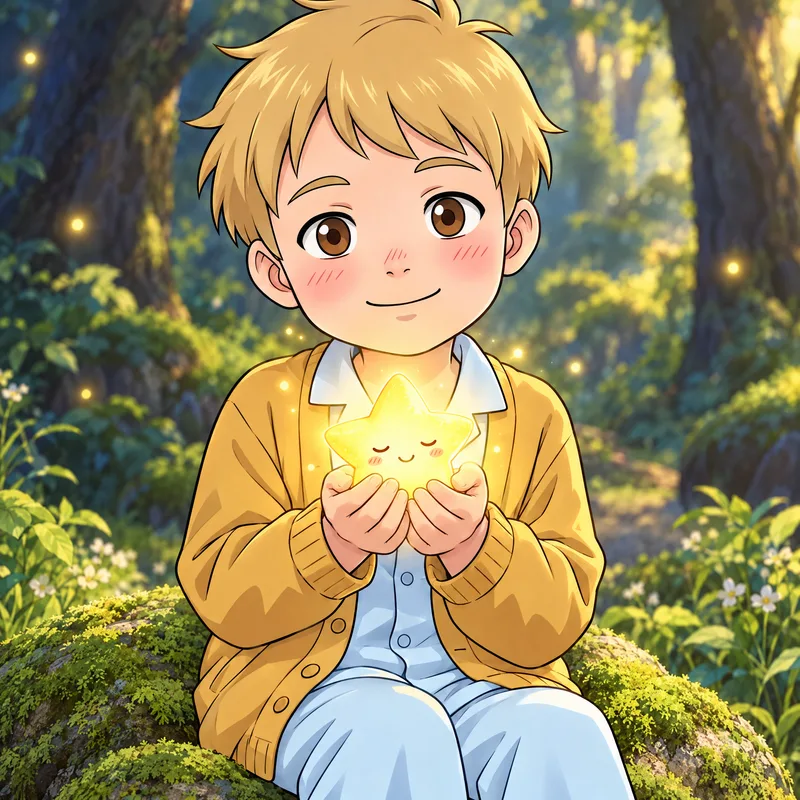
Anime-inspired
AvailableClean line art, cel shading and large, expressive eyes.
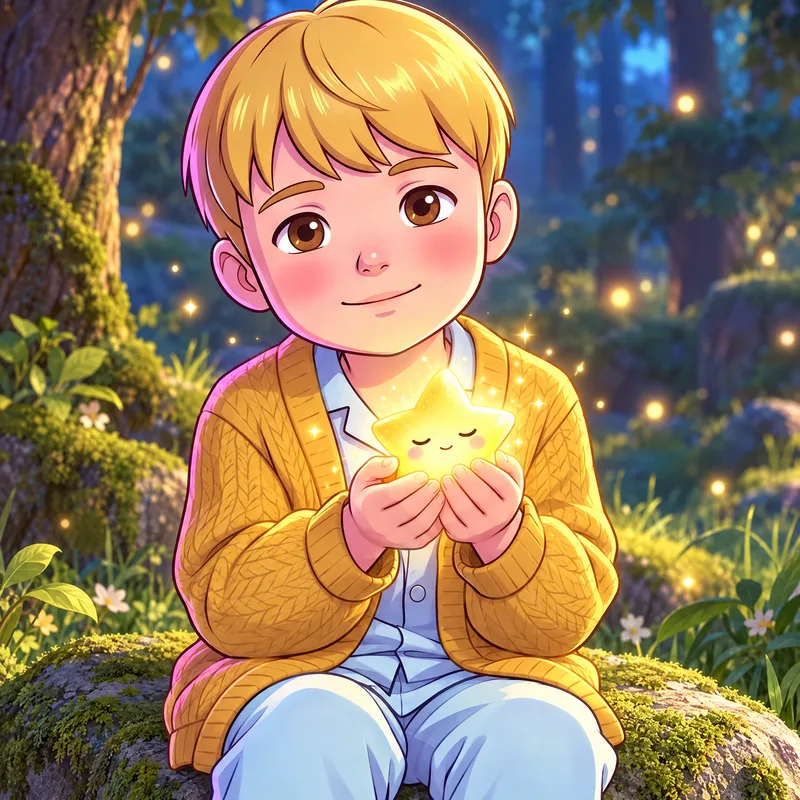
Pop anime 3D
AvailableCel-shaded 3D with big sparkling eyes and bright, glowing colours.
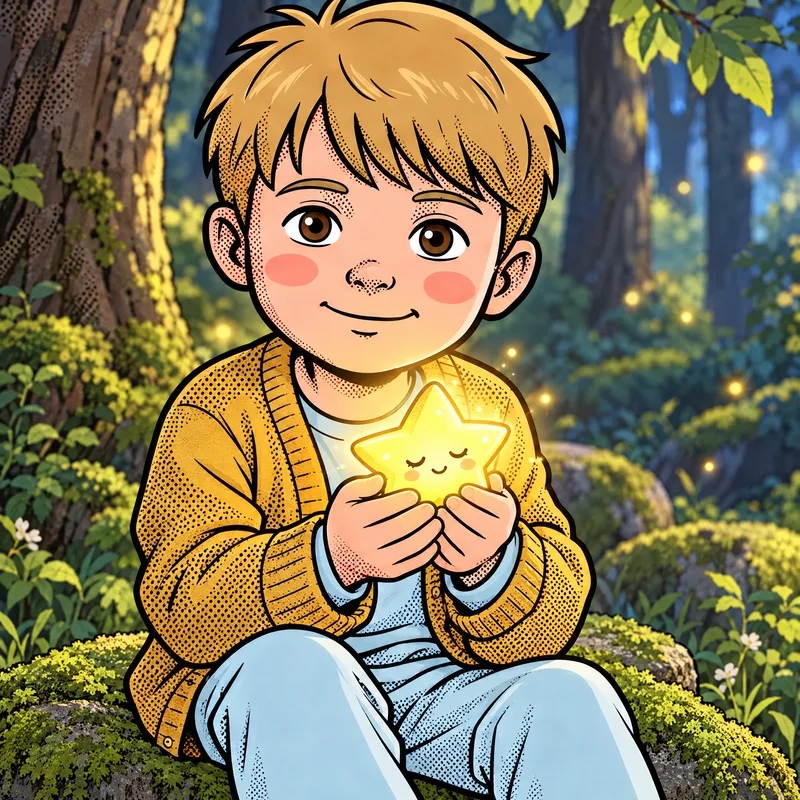
Bold comic
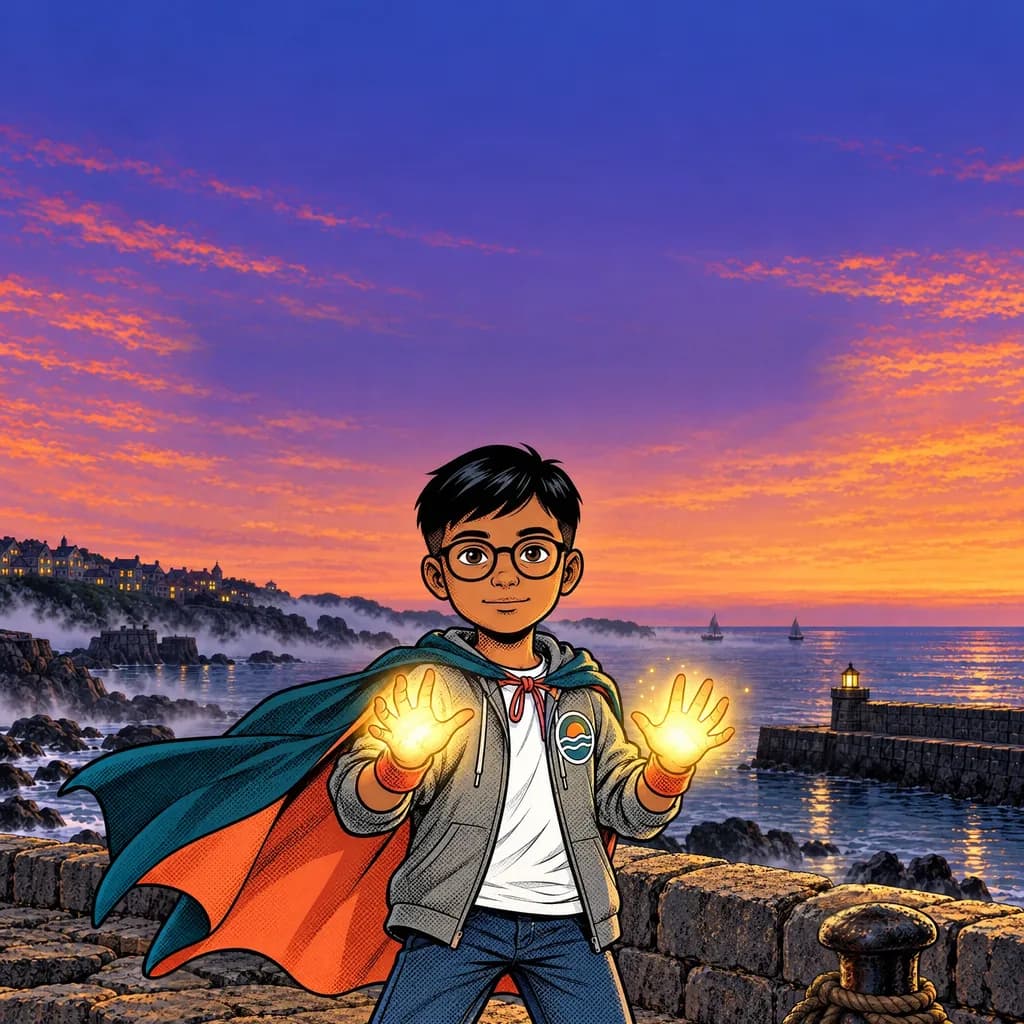
AvailableThick ink lines, flat bright colours, halftone dots and dynamic angles.
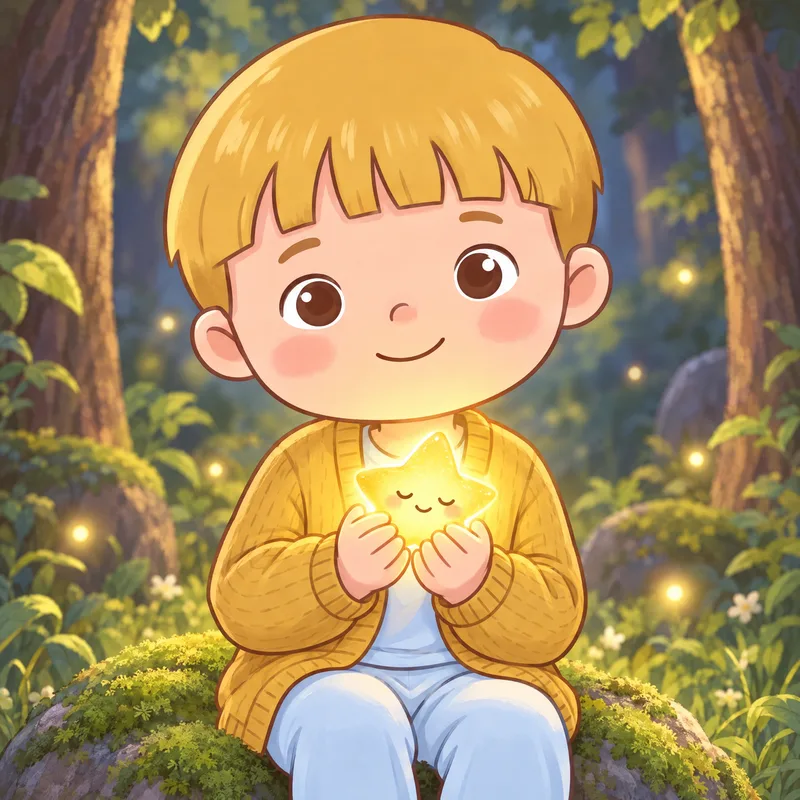
Cute chibi
AvailableTiny bodies, big heads and soft pastel colours.